
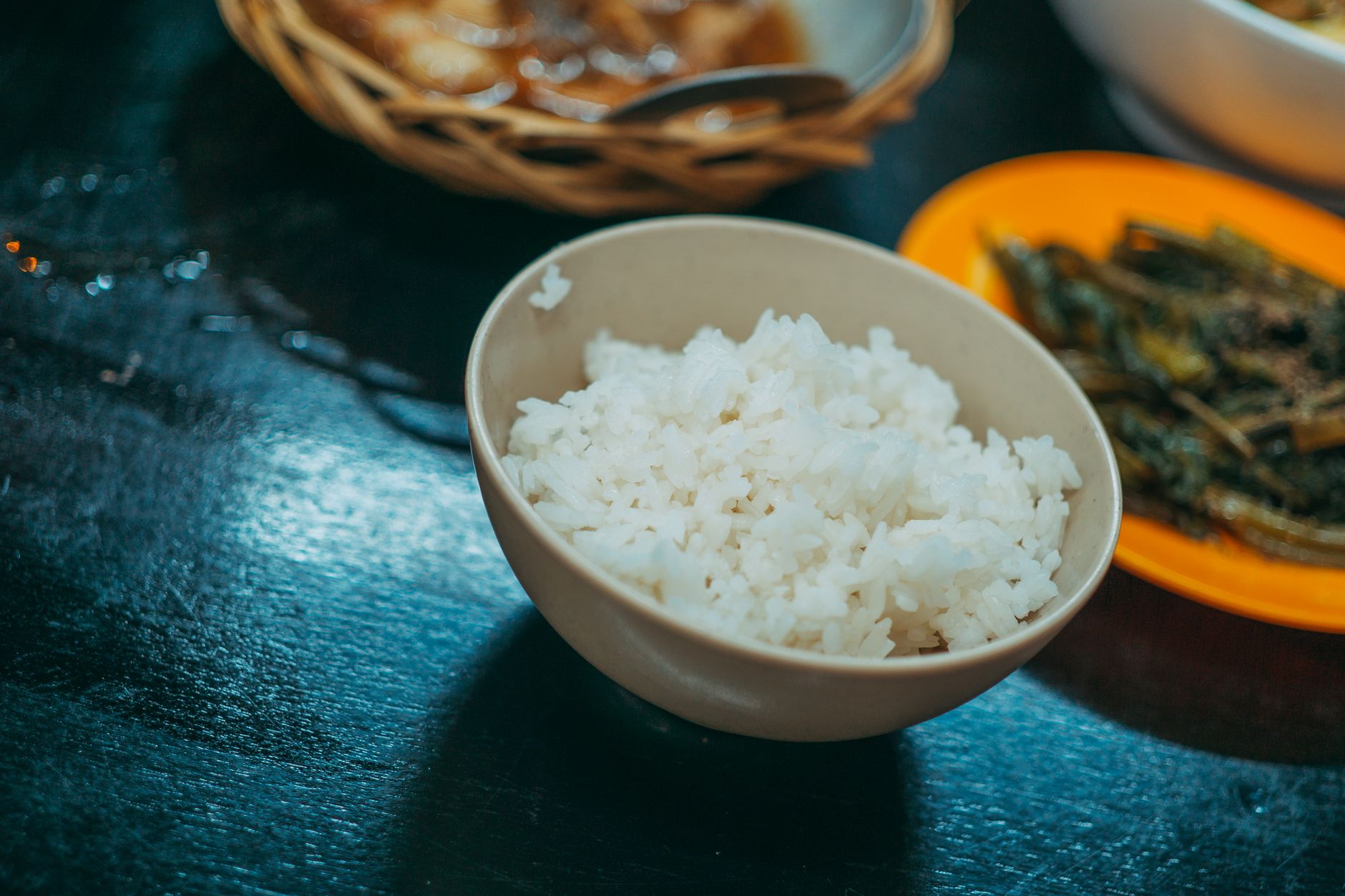
Rice is a staple food in many cultures around the world and is considered a primary source of carbohydrates. It is versatile, nutrient-rich, and can be used in a wide variety of dishes, from savory mains to sweet desserts. Understanding its types, preparation methods, and culinary uses can enhance your cooking and meal planning.
This article will explore what rice is considered, discussing its taste, texture, kitchen uses, and more. With this knowledge, you’ll be better equipped to incorporate rice into your meals, whether you’re looking for a quick side dish or a foundation for an elaborate recipe.
What Is Rice Considered?
Rice is generally regarded as a grain, specifically a cereal grain, and it belongs to the grass family. It is cultivated in flooded fields or paddies and is a dietary staple for more than half the world’s population. Its taste can vary from mildly nutty to a simple, neutral flavor, and its texture depends on the variety and cooking method.
Types of Rice
Rice comes in numerous varieties, each with unique characteristics. Here are some common types:
- White Rice: The most common type, white rice has had its husk, bran, and germ removed. It has a soft, fluffy texture when cooked and a neutral flavor.
- Brown Rice: This whole-grain rice retains its bran and germ, giving it a chewy texture and nutty flavor. It is more nutritious than white rice.
- Jasmine Rice: A fragrant long-grain rice from Thailand, jasmine rice has a slightly sticky texture when cooked and a delicate floral aroma.
- Basmati Rice: Known for its long, slender grains, basmati rice has a unique peppery flavor and fragrant aroma. It is commonly used in Indian and Middle Eastern dishes.
- Arborio Rice: A short-grain rice used primarily for risotto, arborio rice is high in starch, resulting in a creamy texture when cooked.
- Sticky Rice: Also known as glutinous rice, this type is especially sticky when cooked and is often used in Asian desserts and sushi.
Taste and Texture of Rice
The taste and texture of rice can be influenced by its variety and cooking method. Here’s an overview:
- Taste: Most rice varieties have a mild flavor, allowing them to pair well with various seasonings and ingredients. Brown rice has a slightly nuttier taste due to the bran layer.
- Texture: Texture ranges from fluffy and tender in white rice to chewy and hearty in brown rice. Sticky rice, as the name suggests, clumps together, making it ideal for sushi or desserts.
Common Kitchen Uses for Rice
Rice is incredibly versatile and can be used in numerous ways in your kitchen. Here are some common applications:
Main Dishes
Rice can serve as a base for a variety of primary dishes, including stir-fries, curries, and casseroles. Here are some examples:
- Stir-Fried Rice: Combining cooked rice with vegetables and protein, stir-fries are quick and customizable.
- Curry Rice: Many curries are served over rice, absorbing the flavors and spices of the sauce.
- Baked Casseroles: Rice can be incorporated into various baked dishes, adding texture and heartiness.
Side Dishes
Rice often complements main courses, acting as a side dish. Options include:
- Pilaf: This flavorful dish involves cooking rice with broth and spices, often enhanced with vegetables or nuts.
- Risotto: A creamy Italian dish made by slow-cooking arborio rice with broth and stirring continuously.
Salads and Cold Dishes
Cooked rice can also be incorporated into salads and cold dishes, such as:
- Rice Salad: Combining cooked rice with vegetables, beans, or meats and dressing for a refreshing meal.
- Sushi: Sticky rice is crucial in sushi preparation, holding together raw fish and vegetables.
Desserts
Rice can even take center stage in several desserts, including:
- Rice Pudding: Made with rice, milk, sugar, and spices, this creamy treat is a popular comfort food.
- Sticky Rice with Mango: A beloved Thai dessert, combining sweet sticky rice with fresh mango slices.
Cooking Rice: Techniques and Tips
Cooking rice may seem straightforward, but various methods can yield different results. Here’s a detailed look at how to prepare it properly.
Basic Cooking Method
For most types of rice, the following basic method applies:
- Rinse the Rice: Rinse the rice in cold water to remove excess starch, which can make it gummy.
- Measure Ingredients: Use the correct water-to-rice ratio; typically, a 2:1 ratio (water to rice) works well for white rice, while brown rice requires more water at about 2.5:1.
- Bring to Boil: In a pot, bring the measured water and rice to a boil, adding a pinch of salt if desired.
- Simmer: Once boiling, reduce the heat to low, cover, and simmer until the rice absorbs the water. Cooking time varies by type: usually 18-20 minutes for white rice and 40-50 minutes for brown rice.
- Let It Rest: After cooking, turn off the heat and allow the rice to sit, covered, for another 5-10 minutes to finish steaming.
- Fluff and Serve: Use a fork to fluff the rice gently before serving.
Rice Cookers
A rice cooker streamlines the process and often yields consistent results. To use one:
- Measure and Rinse: Follow the same rinsing method as mentioned above.
- Add to Cooker: Place the rinsed rice in the cooker along with the appropriate water amount.
- Start Cooking: Close the lid, select the appropriate setting for the type of rice, and start the cooker.
- Let It Rest: Allow it to sit for a few minutes after cooking before opening the lid and fluffing the rice.
Common Mistakes and Troubleshooting
Some common pitfalls when cooking rice include:
- Overcooking: This can lead to mushy rice. Stick to recommended cooking times and water ratios.
- Undercooking: If the rice is hard, add a little more water and continue cooking until tender.
- Gummy Rice: Usually from rinsing inadequately or using too much water, this can be prevented with proper rinsing and measuring.
Storage and Reheating Guidance
Proper storage and reheating methods maintain rice quality and safety:
- Cooling: Cool leftover rice quickly to avoid bacteria growth. Spread it out on a baking sheet for rapid cooling.
- Storage: Store in an airtight container in the refrigerator for up to four days.
- Reheating: Reheat rice in a microwave, adding a splash of water to keep it moist or sautéing in a pan.
Rice in Meal Planning
Incorporating rice into weekly meal planning is easy due to its versatility. Here are some tips:
Batch Cooking
Cook a large batch of rice at the beginning of the week and use it in various meals. This can save time and ensure you have a healthy base ready to go. Cooked rice can be used in stir-fries, salads, and even soups.
Ingredient Overlap
Using similar ingredients in multiple dishes can reduce waste and save money. For example, if you prepare a big batch of roasted vegetables, they can be added to rice the next day as a wrap or in a salad.
Weekly Menus
Plan meals that utilize rice in different ways throughout the week. Here’s a sample plan:
- Monday: Stir-fried rice with chicken and vegetables.
- Tuesday: Brown rice salad with beans and corn.
- Wednesday: Basmati rice served with a spicy curry.
- Thursday: Risotto with mushrooms and peas.
- Friday: Sushi night with sticky rice and assorted fillings.
- Saturday: Rice pudding for dessert.
- Sunday: Use leftover rice for a hearty soup.
Substitutions for Rice
If you’re looking for alternatives to rice, several options can work well, depending on the dish you are making:
- Quinoa: A gluten-free seed with a similar texture to rice, quinoa is high in protein and can replace rice in salads or side dishes.
- Cauliflower Rice: Finely chopped cauliflower can mimic rice’s texture in lower-carb dishes and is great in stir-fries.
- Bulgur: A quick-cooking whole grain, bulgur has a nutty flavor and can serve as a delightful substitute in salads.
- Barley: This chewy grain can be used in soups and salads, although it requires a longer cooking time than rice.
Health Considerations
Rice is a great source of energy and is gluten-free, making it suitable for various diets. However, considerations may include:
- Caffeine and Blood Sugar: White rice may cause spikes in blood sugar. In contrast, brown rice can have a more stable effect due to its fiber content.
- Nutrient Absorption: Whole-grain options provide additional nutrients and fiber over white rice.
Conclusion
Rice is a versatile ingredient that can enhance a wide array of meals, and understanding its culinary potential unlocks your kitchen creativity. Whether you’re preparing a comforting bowl of risotto or a refreshing rice salad, knowing the various types, techniques, and uses of rice will elevate your cooking experience.
For more tips on cooking rice, check out our article on water-to-rice ratios and gain insights on whether rice may be a health concern for your diet. Enjoy your culinary adventures with this fantastic grain!