
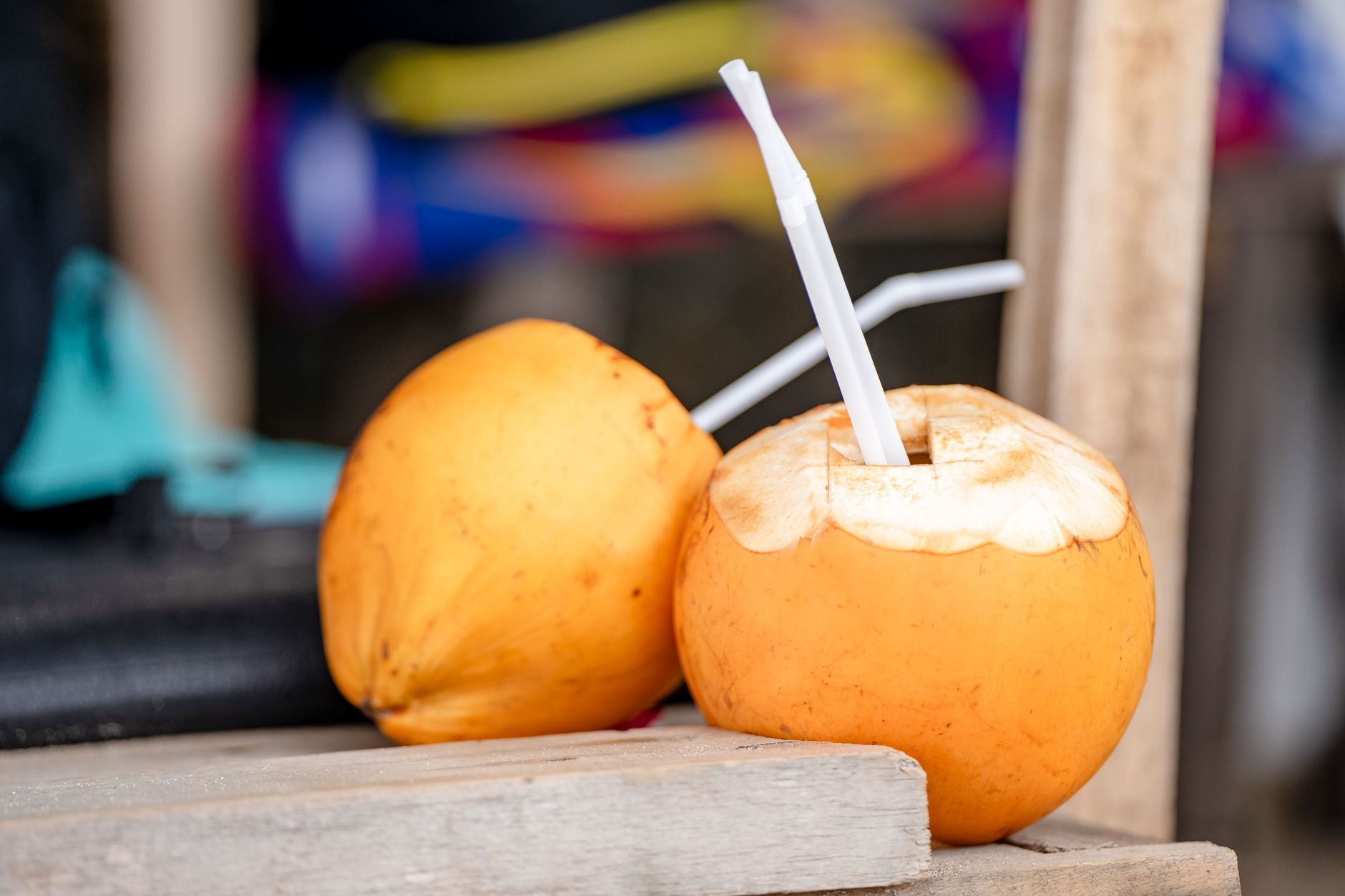
Coconut water has gained popularity as a refreshing beverage, touted for its hydrating properties and natural sweetness. However, for those living with diabetes, the question arises: can diabetics drink coconut water? This article delves into the properties of coconut water, its potential effects on blood sugar, and practical considerations for incorporating it into a diabetic-friendly diet.
Coconut water is the clear liquid found in young coconuts and is distinct from coconut milk, which is made from the flesh of mature coconuts. With its light, slightly sweet flavor and cooling qualities, coconut water is often consumed as a natural sports drink. Yet, understanding its nutritional profile and how it interacts with diabetes is crucial for informed choices.
Can Diabetics Drink Coconut Water?
Yes, diabetics can drink coconut water in moderation. It is low in calories and contains important electrolytes, making it a better alternative to sugary beverages. However, it is essential for a diabetic to monitor their blood sugar levels, as it still contains natural sugars.
Nutritional Profile of Coconut Water
Understanding the nutritional composition of coconut water can help diabetics make more informed choices. Here’s what you need to know:
| Component | Amount per 1 cup (240 ml) |
|---|---|
| Calories | 46 |
| Total Carbohydrates | 9 grams |
| Sugars | 6 grams |
| Fiber | 3 grams |
| Protein | 2 grams |
| Potassium | 624 mg |
| Sodium | 252 mg |
As noted, coconut water is relatively low in calories but does contain sugars. The carbohydrates primarily come from natural sugars, which could impact blood sugar levels if consumed excessively. It’s advisable for diabetics to be mindful of portion sizes.
Coconut Water and Blood Sugar Levels
The glycemic index (GI) is a measure of how quickly a food raises blood sugar levels. Coconut water has a low to moderate GI, generally rated around 30-40, which means it may have a lesser impact on blood sugar when compared to higher-GI foods.
Despite its low GI, the moderate sugar content in coconut water requires careful consideration. Drinking it in small amounts can be beneficial for hydration and electrolyte balance, but large servings could contribute to a spike in blood sugar levels.
Potential Benefits of Coconut Water for Diabetics
Coconut water offers various health benefits that can be beneficial for diabetics, including:
- Hydration: Coconut water contains electrolytes like potassium and sodium, which can help maintain hydration levels.
- Low Caloric Beverage: It is a low-calorie alternative to sugary drinks, making it suitable for weight management.
- Rich in Potassium: High potassium content can support heart health, which is particularly important for individuals with diabetes.
How to Incorporate Coconut Water into a Diabetic Meal Plan
When adding coconut water to a diabetes-friendly meal plan, consider the following tips:
- Monitor Portions: Limit servings to about 1/2 cup or less at a time to assess how it affects blood sugar levels.
- Combine with Foods: Pair it with high-fiber foods such as nuts, seeds, or whole grains to slow down the sugar absorption process.
- Use as a Base for Smoothies: Blend coconut water with low-GI fruits like berries or leafy greens for a nutritious snack.
Practical Uses and Recipes for Coconut Water
Aside from drinking it plain, coconut water can be utilized in various recipes and culinary applications:
1. Coconut Water Smoothie
A refreshing smoothie can be a great way to enjoy coconut water while controlling sugar content.
- Ingredients:
- 1 cup coconut water
- 1/2 cup spinach
- 1/4 cup frozen mixed berries
- 1 tablespoon chia seeds
- Method:
- Add all ingredients to a blender.
- Blend until smooth.
- Serve immediately, garnished with extra berries if desired.
2. Coconut Water Infused Rice
Using coconut water in cooking rice can add flavor and a hint of sweetness.
- Ingredients:
- 1 cup brown rice
- 2 cups coconut water
- 1/2 teaspoon salt
- Method:
- Rinse brown rice under cold water.
- In a saucepan, combine rice, coconut water, and salt.
- Bring to a boil, then reduce heat to low and cover.
- Cook for about 45-50 minutes, or until liquid is absorbed and rice is tender.
Common Considerations and Precautions
While coconut water can be a healthy addition to a diabetic diet, certain precautions should be taken:
- Consult a Healthcare Provider: Always check with a doctor or dietitian before adding new foods to your diet, especially if you’re managing diabetes.
- Monitor Blood Sugar Levels: Keep track of how coconut water affects your glucose levels, especially after the first few times of consumption.
- Be Wary of Sweetened Varieties: Choose plain coconut water over flavored or sweetened options, which often contain added sugars.
Common Mistakes When Consuming Coconut Water
When incorporating coconut water into a diabetic diet, some common mistakes to avoid are:
- Overconsumption: Drinking large quantities at once can lead to unexpected spikes in blood sugar.
- Ignoring Nutritional Content: Not considering the sugar content and calories can disrupt meal planning.
- Assuming It’s Calorie-Free: Despite being healthy, coconut water still contains calories and natural sugars, and should be factored into your daily intake.
Alternatives to Coconut Water
If you’re exploring alternatives to coconut water for hydration or flavor, consider the following options:
- Unsweetened Aloe Vera Juice: A low-calorie drink rich in vitamins and minerals.
- Infused Water: Add slices of fruits, herbs, or cucumber to water for a flavored beverage without added sugars.
- Herbal Tea: A calorie-free option that can be enjoyed hot or iced.
Conclusion
Coconut water can be a refreshing and nutritious option for diabetics when enjoyed in moderation. Understanding its nutritional profile and making mindful choices can allow individuals to savor its benefits without compromising their health. Staying informed and consulting healthcare providers will ensure the best approach to incorporating coconut water into your diet.
For more delicious and healthy recipes, explore our Chia Pudding Recipe or try a Coconut Margarita Recipe to continue enjoying the flavors of coconut in your meals.