
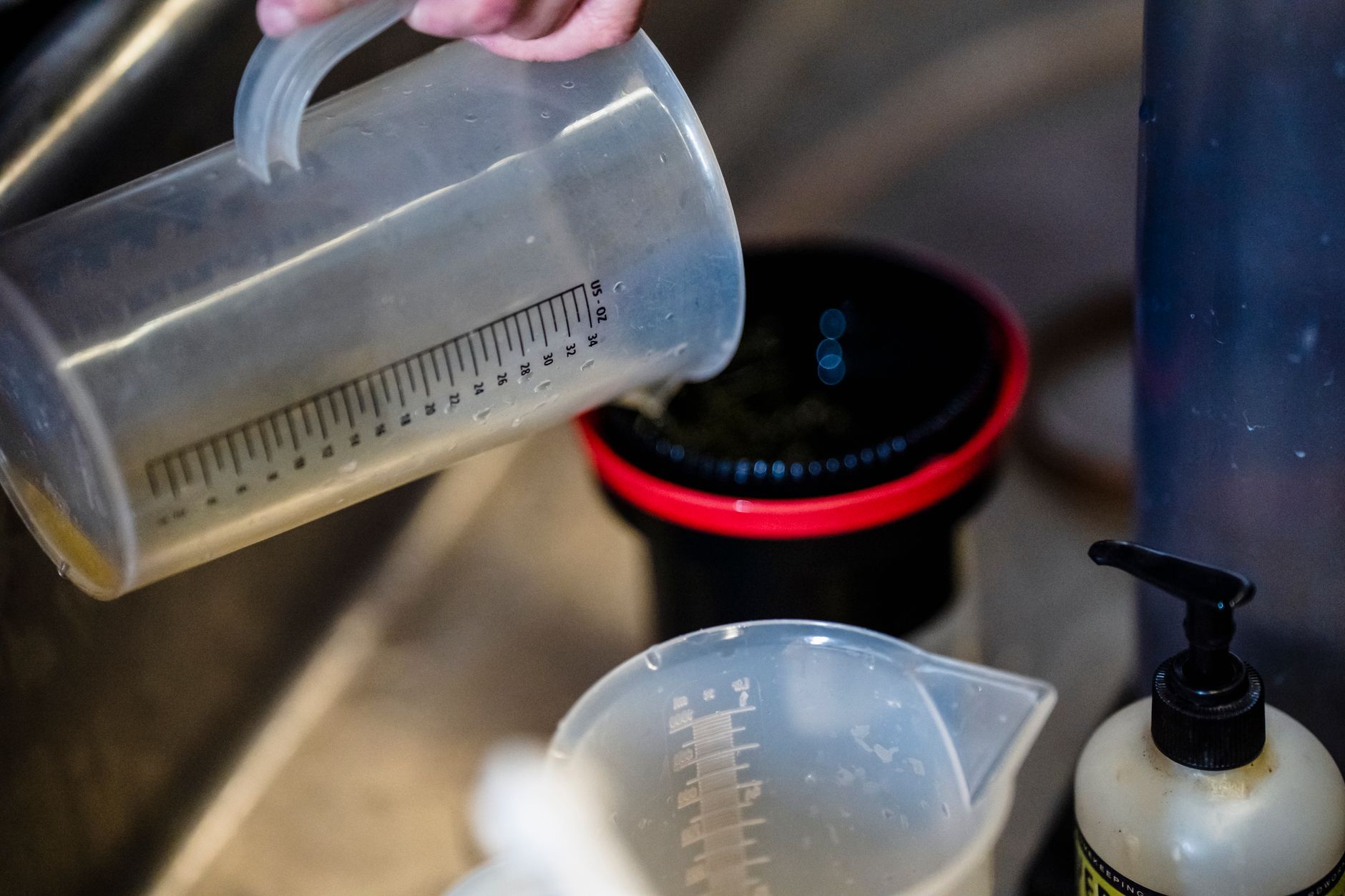
Understanding measurements in cooking is vital whether you’re a novice in the kitchen or an experienced home chef. When it comes to liquid measurements, the quart and the cup are two of the most common units you’ll encounter. Knowing how many cups are in a quart can help you convert recipes and achieve accurate results.
A quart, commonly used in the United States for both liquid and dry ingredients, equals four cups. This measurement is especially useful when preparing larger quantities, planning meals, or even storing leftover ingredients. This article delves into various aspects of the quart and cup measurements, tips for making conversions, and how these measurements play a crucial role in cooking and baking.
How Many Cups Are in a Quart?
There are 4 cups in a quart. This simple conversion is key to making larger recipes manageable. For example, if you have a recipe that calls for 2 quarts of broth, you know you will need 8 cups of broth instead. Understanding these conversions allows for a more seamless cooking experience.
Understanding the Basics of Liquid Measurements
Liquid measurements can vary between different systems of measurement, but the U.S. customary system is the most widely used in home cooking. Here’s a brief overview of the key measurements:
- 1 cup = 8 fluid ounces
- 1 pint = 2 cups (16 fluid ounces)
- 1 quart = 2 pints (4 cups, 32 fluid ounces)
- 1 gallon = 4 quarts (16 cups, 128 fluid ounces)
Conversions from Quart to Cups
Converting quarts to cups is straightforward since 1 quart equals 4 cups. Here are some quick conversions:
- 1 quart = 4 cups
- 2 quarts = 8 cups
- 3 quarts = 12 cups
- 4 quarts = 16 cups
When you have to convert quarts to cups, simply multiply the number of quarts by 4. Conversely, to convert cups back to quarts, divide the number of cups by 4.
Why Accurate Measurements Matter in Cooking
Accuracy in cooking is essential for several reasons:
- Flavor: Proper measurements are critical in ensuring that recipes have the intended flavor. Too much or too little of an ingredient can significantly alter taste.
- Texture: Many recipes rely on precise ratios of ingredients to achieve a specific texture, especially in baking.
- Consistency: If you want to replicate a dish reliably, accurate measurements help you achieve consistent results every time.
Tips for Measuring Liquid Ingredients
Measuring liquids correctly can sometimes be tricky. Here are practical tips to ensure accuracy:
- Use the Right Tools: Always use a liquid measuring cup for measuring liquids. These cups usually have a spout and are made of transparent material, allowing you to see the measurement clearly.
- Check at Eye Level: When measuring, get down to eye level with the measuring cup. This will help you see if the liquid is exactly at the measurement line.
- Don’t Overfill: Add liquid slowly to avoid overfilling. It’s easier to add more than to remove excess.
- For Sticky Ingredients: Use a measuring cup that allows for easy pouring or scraping – for example, glass or plastic cups. Spray the cup with a bit of cooking oil before measuring sticky liquids like honey or syrup for easier pouring.
Common Kitchen Equipment for Measuring
To effectively measure liquids and dry ingredients, you will need several basic kitchen tools:
- Liquid Measuring Cups: These usually come in glass or plastic and are marked with measurements on the side.
- Dry Measuring Cups: Typically, these are nested together and used for dry ingredients like flour or sugar.
- Measuring Spoons: Essential for smaller amounts, these come in sets that usually include 1 tablespoon, 1 teaspoon, and sometimes 1/2 teaspoon and 1/4 teaspoon.
- Kitchen Scale: While this is often more accurate for dry ingredients, a kitchen scale can help with liquid conversions if you prefer weight measurements.
Common Mistakes When Measuring Liquid Ingredients
Even experienced cooks can make errors when measuring. Here are some common pitfalls to avoid:
- Using the Wrong Type of Cup: Using a dry measuring cup for liquids can lead to inaccuracies since you can’t see the measurement level.
- Not Leveling Off: With dry ingredients, if you don’t level off flour or sugar, you could end up with more than intended.
- Assuming All Liquid Measurements are the Same: Not all liquids have the same viscosity, which can affect the volume you get when pouring. Always refer to specific recipe directions.
When to Use Quarts vs. Cups
Understanding when to use quarts versus cups in recipes can guide you in meal preparation:
- Use Quarts for Larger Quantities: Quarts are typically used when you are cooking or preparing larger pots of soup, stews, or sauces. If you’re making smaller quantities, cups work well.
- Consider Serving Sizes: If you cook for a large family or a gathering, understanding how many quarts and cups you need for recipes is crucial for meal planning.
- Storage Containers: When you store leftover food, knowing that 1 quart equals 4 cups can help you select the right size containers to avoid food waste.
Practical Applications of Measurements in Recipes
To help solidify your understanding of quart and cup conversions, let’s consider a few practical recipes to illustrate their importance:
Recipe: Classic Chili
This hearty chili recipe serves 8 and is perfect for a family dinner or gatherings. It incorporates beans, ground meat, and spices, creating a robust and flavorful dish.
Yield: 8 servings
Preparation Time: 15 minutes
Cooking Time: 1 hour
Total Time: 1 hour 15 minutes
Ingredients:
- 2 tablespoons olive oil
- 1 onion, diced
- 2 cloves garlic, minced
- 1 pound ground beef, turkey, or plant-based substitute
- 1 can (15 oz) diced tomatoes
- 2 cups kidney beans, drained and rinsed
- 1 cup bell pepper, diced
- 2 cups beef or vegetable broth (this is where cups to quarts come in handy for larger batches)
- 1 tablespoon chili powder
- 1 teaspoon cumin
- Salt and pepper to taste
Essential Equipment:
- Large pot or Dutch oven
- Wooden spoon for stirring
- Cutting board and knife
Instructions:
- Heat olive oil in a large pot over medium heat.
- Add the diced onion and garlic, sauté until softened, about 3-5 minutes.
- Add the ground meat and cook until browned, about 5-7 minutes.
- Stir in the diced tomatoes, kidney beans, bell pepper, and broth.
- Add chili powder and cumin; season with salt and pepper.
- Bring to a simmer, reduce heat, and let it cook for 30-40 minutes, stirring occasionally.
- Serve hot, optionally garnished with cheese, sour cream, or chopped green onions.
Fun Fact:
Did you know that measuring liquids accurately can affect the final taste and texture of your chili? Using the correct amount of broth versus what the recipe calls for could alter the consistency, making it too watery or thick!
Conclusion
Knowing how many cups are in a quart is fundamental for a smooth cooking experience. Accurate measurements help ensure that your recipes turn out deliciously every time. Whether you’re preparing large meals for gatherings or simply looking to streamline your cooking, understanding these conversions can make a significant difference.
Ready to enhance your cooking skills? Explore our guidance on measuring water for rice and tips on baking boneless pork chops for more enriching cooking experiences.