
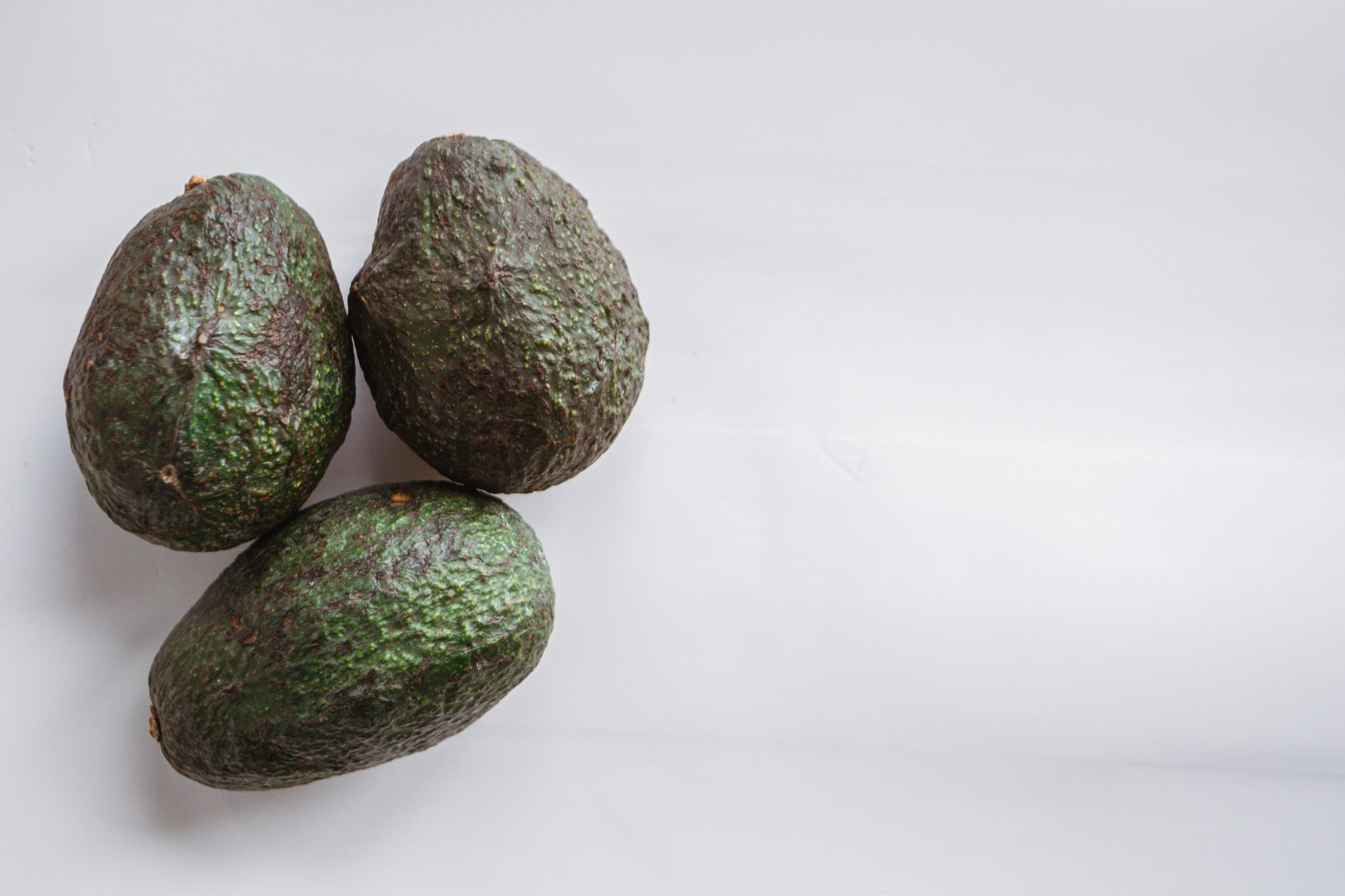
Avocados are a popular ingredient in various cuisines and are often misunderstood in terms of their nutritional properties. One common question that arises is whether avocados are a carbohydrate. This article delves into the nutritional composition of avocados, examining what they are and how they can be incorporated into your meals.
Understanding the carbohydrate content of avocados not only helps with meal planning but also aids in adapting recipes to dietary preferences. Let’s explore the composition of avocados, their culinary uses, and the best ways to enjoy this creamy fruit.
Is Avocado a Carbohydrate?
Avocados are not classified as a carbohydrate. Instead, they are primarily known for their high fat content, particularly heart-healthy monounsaturated fats. A typical avocado contains about 9 grams of carbohydrates per 100 grams, of which about 7 grams are fiber. This makes avocados a low-carb food that is rich in nutrients.
Nutritional Profile of Avocado
Analyzing the nutritional value of avocados gives insight into their health benefits:
- Calories: Approximately 160 per 100 grams
- Fats: Around 15 grams, mainly monounsaturated fat
- Carbohydrates: Approximately 9 grams
- Fiber: About 7 grams
- Protein: Roughly 2 grams
The high fiber content of avocados can play a significant role in digestive health and may help in maintaining a feeling of fullness after meals. Moreover, avocados also contain vitamins C, E, K, and several B vitamins, along with potassium and magnesium.
Health Benefits of Avocados
Incorporating avocados into your diet can provide numerous health benefits:
Heart Health
The monounsaturated fats in avocados are known to promote heart health. They can help lower bad cholesterol levels and increase good cholesterol levels, which can reduce the risk of cardiovascular diseases.
Nutrient Absorption
Due to their healthy fats, avocados can enhance the absorption of fat-soluble vitamins (A, D, E, and K) from other foods, making them a valuable addition to salads and vegetable dishes.
Weight Management
Despite their calorie density, avocados can be beneficial for weight management. Their combination of healthy fats and fiber can promote satiety, helping individuals control their appetite and reduce overall caloric intake.
Culinary Uses of Avocados
Avocados are versatile and can be used in a variety of dishes:
Raw Preparations
Fresh avocados can be sliced and added to salads, sandwiches, and wraps. Their creamy texture enhances many dishes without overwhelming the flavors.
Guacamole
Guacamole is a classic use of avocados, typically made by mashing ripe avocados with lime juice, salt, garlic, onion, and tomatoes. This flavorful dip pairs well with tortilla chips or can be used on tacos and burritos.
Smoothies
Adding avocado to smoothies provides a creamy texture and boosts nutrient content without an overpowering flavor. Combine it with spinach, banana, and a dairy or non-dairy milk for a nutritious breakfast or snack.
Baking and Cooking
Avocados can also replace butter or oil in baking. Using pureed avocado in recipes for muffins, brownies, or cakes can reduce the saturated fat content while adding moisture.
Avocado Toast
This trend has made waves in the breakfast scene. Simply mash an avocado on toasted bread, sprinkle with salt and pepper, and add toppings such as poached eggs, tomatoes, or radishes for a nutritious meal.
Ingredient Substitutions with Avocado
Avocados can replace several ingredients in cooking:
- Butter: Use equal parts mashed avocado in place of butter in baking for a healthier alternative.
- Mayonnaise: Replace mayonnaise with mashed avocado in sandwiches or salads for a creamy texture without excess calories.
- Sour Cream: Use avocado in dips or as a topping in place of sour cream for added creaminess.
Cooking Techniques Involving Avocado
Utilizing the right techniques can elevate your avocado dishes:
Ripening Avocados
If your avocados are hard and unripe, place them in a paper bag along with an apple or banana at room temperature for a day or two. The ethylene gas produced will speed up the ripening process.
Cooking Avocados
While avocados are commonly used raw, they can also be grilled or baked. Grilling halves of an avocado can enhance the flavor and create a delightful presentation. Brush with oil and grill cut-side down for about 2-3 minutes until warm.
Common Mistakes to Avoid with Avocados
To ensure the best avocado experience, consider these common pitfalls:
- Choosing Unripe Avocados: Unripe avocados cannot be used effectively in recipes. Be patient and ensure they are ripe for optimal creaminess.
- Over-mashing: For guacamole, avoid over-mashing if you prefer some texture. A few lumps can enhance the overall experience.
- Storage:** Store cut avocados with a squeeze of lemon or lime juice to minimize browning. Keeping the pit in can also help retain some freshness.
Avocado Storage and Preparation Tips
Proper storage is essential for maximizing the shelf life of avocados:
Storing Whole Avocados
Whole avocados can be stored at room temperature until ripe. Once ripe, they should be moved to the refrigerator to slow down further ripening.
Cut Avocados
When storing cut avocados, cover them tightly with plastic wrap or place them in an airtight container. A drizzle of lemon or lime juice can help prevent browning.
Recipes Featuring Avocado
Here are a couple of ways to incorporate avocados into your meals:
Avocado Bread
This simple bread combines the buttery texture of ripe avocados into a delightful loaf. Perfect for toast or sandwiches, you’ll find it an excellent base for breakfast or lunch.
- Ingredients:
- 2 ripe avocados
- 2 ripe bananas
- 1 cup flour (whole wheat or all-purpose)
- 1 tsp baking soda
- 1/4 tsp salt
- 1 tsp vanilla extract
Avocado Crema
This creamy avocado dip can be used as a sauce for tacos or as a dip for vegetables. It’s rich, flavorful, and easy to make.
- Ingredients:
- 1 ripe avocado
- 1/2 cup sour cream or Greek yogurt
- 1 lime, juiced
- Salt to taste
Conclusion
Avocados are not a carbohydrate; rather, they are a nutrient-dense fruit rich in healthy fats and fiber. Their low carbohydrate content, combined with their versatility in the kitchen, makes them an excellent choice for various dietary preferences.
Explore avocado’s many applications in cooking, from salads and spreads to baked goods. Enhance your culinary experience by integrating avocados into your meals, contributing not just flavor but also health benefits. For delicious ways to use avocados, check out our avocado bread recipe and our avocado crema recipe.