
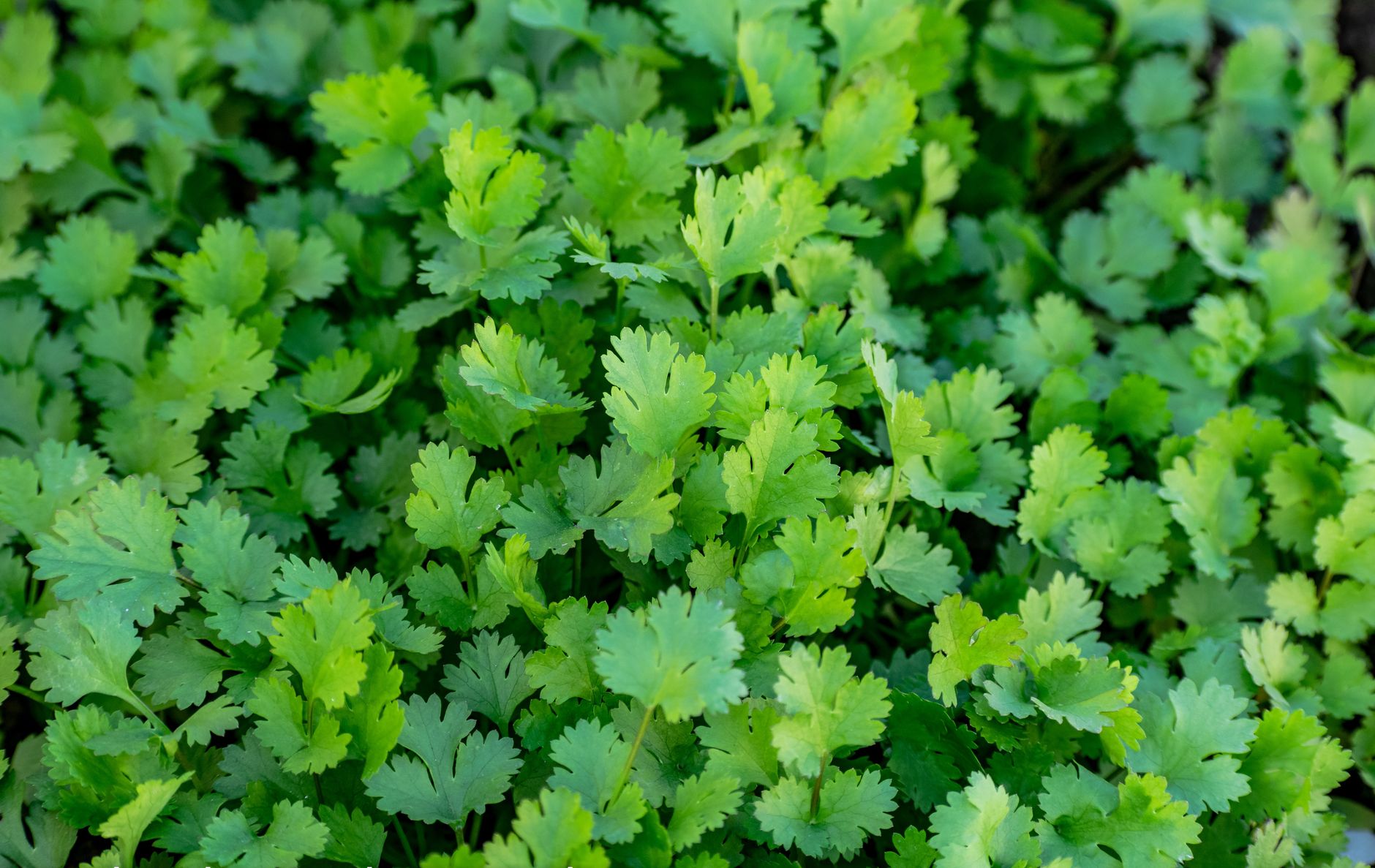
Coriander, a vibrant herb widely used in various cuisines, brings a unique aroma that intrigues many home cooks and food enthusiasts alike. Understanding its scent profile can greatly enhance culinary experiences, whether you’re cooking with fresh leaves, whole seeds, or ground coriander.
This article explores the characteristic smell of coriander, its various forms, and how to identify spoilage, ensuring you use it at its best. With its distinct flavor and fragrance, coriander can elevate dishes and provide a fresh, zesty note that complements a range of ingredients.
What Does Coriander Smell Like?
Coriander has a fresh, citrusy smell with slight herbaceous and spicy undertones. The aroma can vary depending on whether it is in its fresh leaf form, dried seeds, or ground powder. Fresh coriander, commonly known as cilantro, exudes a vibrant, green fragrance, while the seeds emit a warm, nutty scent reminiscent of citrus and spices.
Forms of Coriander and Their Distinct Aromas
Coriander is utilized in several forms, each offering a unique aromatic profile:
Fresh Coriander (Cilantro)
Fresh coriander leaves, or cilantro, are commonly used in salsas, salads, and as garnishes. They offer a bright, green, and slightly peppery scent, which can enhance the freshness of dishes. When you crush fresh leaves, the aroma intensifies, revealing its citrus notes.
Dried Coriander Seeds
Coriander seeds give off a warm, earthy smell with a slight sweetness. Unlike the vibrant scent of fresh cilantro, dried seeds provide a nutty, spicy aroma. Toasting them releases essential oils, amplifying their fragrance significantly, making them a popular choice for spice blends and curries.
Ground Coriander
Ground coriander, which is made from dried and crushed seeds, has a less potent aroma than whole seeds but still retains the warm, citrus-like notes. Its scent can often blend into other spices in a mix, so it may not stand out unless used in larger quantities.
Identifying Fresh Coriander
When purchasing fresh coriander, look for these characteristics to ensure you select the best quality:
- Aroma: Fresh leaves should have a strong, fragrant smell. If the leaves lack scent or have a musty odor, they may be past their prime.
- Appearance: Look for vibrant green leaves that are crisp and free of blemishes or yellowing.
- Texture: The leaves should feel firm and not wilty, indicating freshness.
How to Store Coriander
Proper storage of coriander, whether fresh or dried, can extend its shelf life and maintain its aroma:
Storing Fresh Coriander
To keep fresh coriander at its best:
- Wrap the stems in a damp paper towel and place them in a resealable plastic bag. Store this in the refrigerator. This method helps maintain moisture.
- Alternatively, treat it like a bouquet: place the stems in a jar with water and cover the leaves with a plastic bag, storing it in the fridge.
When stored correctly, fresh coriander can last up to two weeks. However, be mindful of any wilting, yellowing, or off odors, which are signs of spoilage.
Storing Dried Coriander
Dried coriander seeds and ground coriander should be stored in a cool, dark place in airtight containers. This helps preserve their aroma:
- Seeds: Keep dried coriander seeds in a whole state until ready to use, as their flavor diminishes once ground.
- Ground: Ground coriander should be used within six months for the best flavor and aroma.
Signs of Spoilage in Coriander
If you’re unsure about the freshness of your coriander, here are some signs that it may have spoiled:
Fresh Coriander
For fresh coriander, look out for:
- Color Changes: Yellowing leaves indicate aging or spoilage.
- Odor: A sour or moldy smell suggests that the leaves have gone bad.
- Texture: Wilted or slimy leaves are no longer fresh.
Dried Coriander Seeds and Ground Coriander
Dried coriander’s freshness can also decline:
- Off Odor: If dried coriander gives off an unpleasant smell, it has likely gone stale.
- Loss of Aroma: Dried coriander should have a distinct, pleasant smell; if there’s little or no aroma, it’s best to discard it.
- Visual Signs: Look for discoloration or clumping in ground coriander, which may suggest moisture acceptance and spoilage.
How to Use Coriander in Cooking
Understanding the distinct aromas of coriander can enhance your culinary skills. Here are common uses for coriander:
Fresh Coriander
Fresh coriander works well in:
- Salads: Add to green salads for a fresh, zesty note.
- Salsas: Chop finely and mix into salsas for a flavor kick.
- Garnishes: Use as a finishing touch on soups and dishes like tacos or curries.
Dried Coriander Seeds
Dried seeds are often used in:
- Spice Blends: Integral to garam masala and many curry mixes.
- Slow-Cooked Dishes: Added to stews, soups, and braises for depth of flavor.
- Baking: Occasionally, ground coriander can enhance the flavor profile in sweet dishes and baked goods.
Ground Coriander
Ground coriander can be added to a variety of dishes, such as:
- Curries: A key ingredient in many Indian curries.
- Dressings and Marinades: Mixed into vinaigrettes for added flavor.
- Vegetable Dishes: Enhances the flavor of roasted or sautéed vegetables.
Common Mistakes When Using Coriander
Here are some mistakes to avoid when cooking with coriander:
- Using Old Coriander: Always check the freshness of coriander to ensure robust aroma and flavor.
- Adding Too Late: Fresh coriander should be added at the end of cooking to preserve its bright flavor.
- Ignoring Type: Know when to use fresh versus dried coriander for the best flavor impact.
Tips for Amplifying Coriander’s Aroma
To get the most out of coriander’s aromas and flavors, consider these tips:
- Toasting Seeds: Gently toast whole coriander seeds in a dry skillet to unlock their essential oils before grinding.
- Chopping Fresh: Chop fresh coriander just before use to maximize aromatic compounds.
- Combining Flavors: Pair coriander with complementary spices such as cumin or paprika for enhanced depth in dishes.
Alternative Ingredients for Coriander
If you encounter a recipe that calls for coriander but find yourself without any, consider some alternatives:
Alternative Ingredients
- Cilantro (Fresh): Whole leaves can be substituted for fresh coriander in most dishes.
- Caraway Seeds: Offer a similar nutty, warm profile to replace coriander seeds.
- Cumin: Provides a distinct taste but can substitute ground coriander in a pinch.
- Dill: Offers a fresh flavor that can replace fresh coriander in salads and dressings.
Substitution Ratios
Generally, if substituting, use the below ratios based on culinary intention:
| Substitute | Ratio |
|---|---|
| Cilantro (Fresh) | 1:1 |
| Caraway Seeds | 1:1 |
| Cumin | 1:2 |
| Dill | 1:1 |
Final Takeaways on Coriander
Coriander brings a delightful scent and flavor that can elevate any dish. By understanding its various forms and how to identify spoilage, you can enhance your cooking and ensure you always use the best ingredients. Whether fresh or dried, coriander’s pleasing aroma and bright flavor can do wonders for your meals.
Next time you find yourself with coriander in hand, remember its potential to transform your favorite dishes into aromatic delights. Don’t forget to explore practical alternatives if you’re ever in a pinch! For more tips, you might find helpful information on substitutes for coriander or try out a delicious chipotle dressing recipe.