
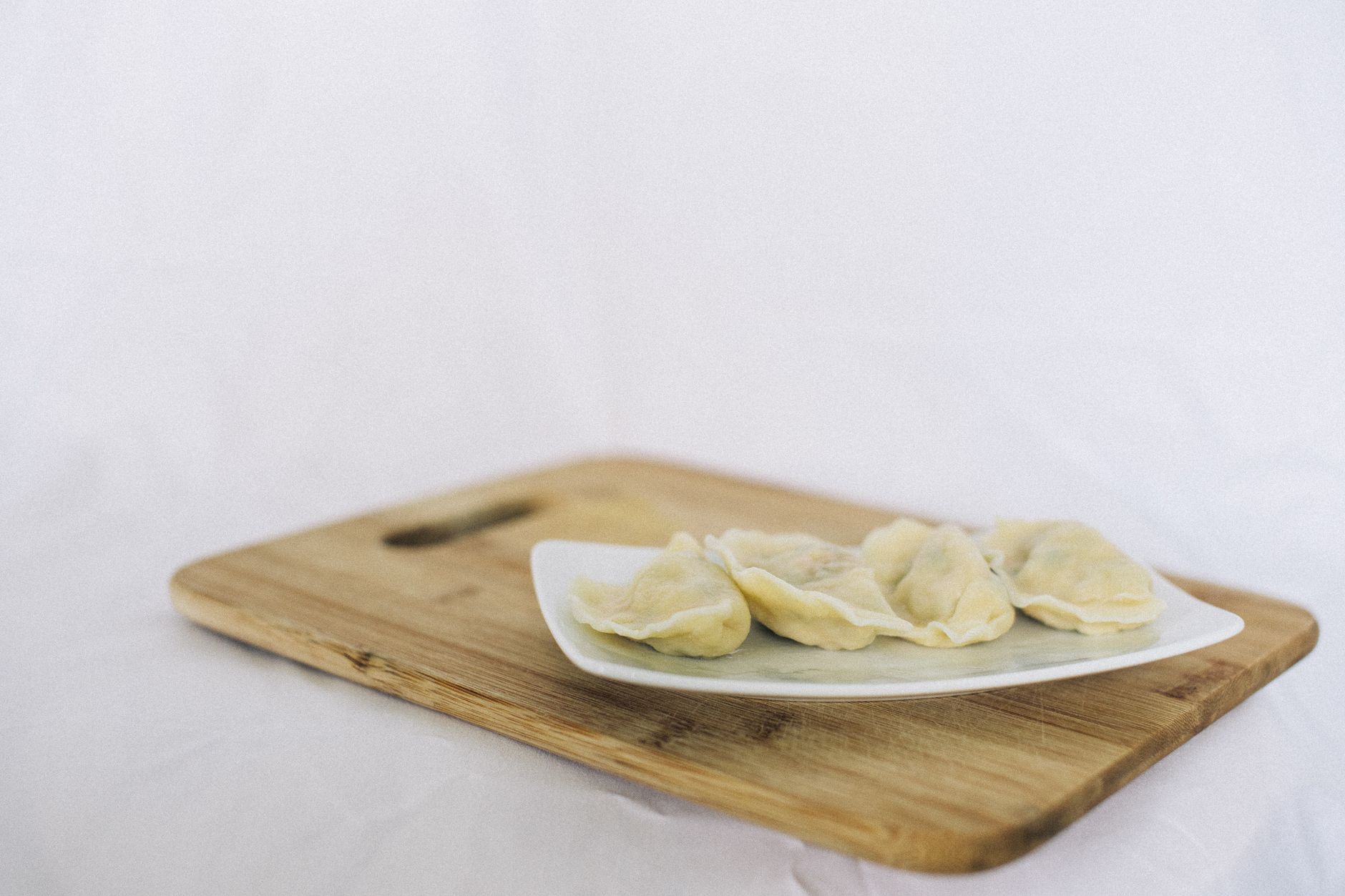
Dumplings are one of the most versatile and beloved foods in the culinary world. This dish can be found in various forms across many cultures, characterized by dough that encases fillings. The flavor and texture of a dumpling can vary widely, depending on its ingredients and cooking methods. Understanding what a dumpling is involves exploring its ingredients, flavors, and ways to serve them.
While dumplings may seem simple, they offer limitless opportunities for creativity in the kitchen. From savory options filled with meat or vegetables to sweet varieties perfect for dessert, there’s a dumpling for every palate. Here we will explore the different types of dumplings, their ingredients, flavors, and the best ways to serve them.
What Is a Dumpling?
A dumpling is typically a small, savory or sweet ball of dough that can be filled or unfilled and is usually cooked by boiling, steaming, frying, or baking. The dough can be made from a variety of flours, and the fillings can include meats, vegetables, cheeses, fruits, and more. Dumplings are enjoyed worldwide, from Chinese jiaozi to Italian gnocchi and Polish pierogi.
Ingredients of Dumplings
The main ingredients common to most dumplings are dough and filling. The dough serves as the outer layer, while the filling can vary widely. Below is a closer look at these components:
Dough
- Flour: Most dumpling doughs are made from wheat flour. Different types of flours can be used, like all-purpose flour, whole wheat flour, or rice flour for gluten-free options.
- Water: Water is usually added to the flour to form the dough. The amount may vary depending on the type of flour used.
- Eggs: Some dumpling recipes incorporate eggs, which add richness and help bind the dough together.
- Salt: A small amount of salt is often added to enhance flavor.
Fillings
The filling can be what truly defines a dumpling. Here are some common types of fillings:
- Meat: Ground meats such as beef, pork, chicken, or shrimp are popular fillings, often seasoned with herbs and spices.
- Vegetables: Cooked vegetables, like mushrooms, cabbage, onions, and spinach, can be used alone or in combination with meat.
- Cheese: Certain dumplings feature cheese as a main filling, particularly in Italian cuisines.
- Fruits: Sweet dumplings such as fruit-filled pierogi or Chinese tangyuan have sweet fillings made from fruits or sweetened pastes.
Flavors and Textures of Dumplings
Dumplings can range from savory to sweet, each offering distinct flavors and textures. Here’s a deeper look at the flavor profiles you can find:
Savory Dumplings
These dumplings are characterized by their rich, hearty flavors, often featuring elements like:
- Umami: Fillings like pork or beef generally offer a rich umami flavor that makes the dumpling satisfying.
- Herbs and Spices: Many savory dumplings are seasoned with garlic, ginger, green onions, or soy sauce, which contribute to a layered flavor potential.
- Textures: The dough can be chewy or tender, depending on how it is prepared, which adds an interesting texture contrast to the filling.
Sweet Dumplings
Sweet dumplings typically focus on dessert flavors, showcasing ingredients like:
- Sugary Fillings: These may include fruits, sweetened cheese, or sweet pastes made from red bean or sesame.
- Spices: Ingredients like cinnamon or nutmeg can enhance sweet dumplings, providing warmth and depth.
- Soft Textures: Sweet dumpling dough tends to be softer, often employing sweeter ingredients or additional egg for richness.
Types of Dumplings
Dumplings come in an extensive variety of types worldwide, each with unique characteristics and ingredients. Here are some popular types:
Asian Dumplings
- Dumplings (Jiaozi): Chinese dumplings typically filled with ground meat and vegetables. They can be boiled, steamed, or pan-fried.
- Gyoza: Japanese dumplings that are thinner-skinned and often pan-fried for crispiness.
- Momofuku: Nepali dumplings filled with meat or vegetables, often served with a spicy dipping sauce.
- Mandus: Korean dumplings that can be fried or steamed, filled with a variety of options including meat and vegetables.
European Dumplings
- Pierogi: Polish dumplings filled with potatoes, cheese, or meats, often served with sour cream.
- Ravioli: Italian dumplings made from thin pasta sheets filled with cheese, meat, or vegetables, typically sauced before serving.
- Dumplings (Knödel): German dumplings made from potatoes or bread, often served as a side dish.
- Palatschinken: Austrian pancakes rolled with sweet or savory fillings and served as a type of dumpling.
Latin American Dumplings
- Empanadas: Flour or corn dough filled with meats, cheeses, or vegetables, often baked or fried.
- Arepas: Thick cornmeal cakes stuffed with various fillings, reminiscent of dumpling dough.
How to Serve Dumplings
Serving dumplings can be as simple or as elaborate as you desire. Here are some popular methods for plating and enjoying dumplings:
As an Appetizer
Dumplings can be served as a delightful starter. Consider presenting them with a variety of dipping sauces, such as:
- Soy Sauce: A classic pairing for Asian dumplings, often combined with vinegar or sesame oil.
- Hot Sauce: Adding a spicy kick can elevate the flavor of savory dumplings.
- Chutney: Serve sweet or spicy chutneys with dumplings for a fusion twist.
As a Main Course
For a heartier meal, dumplings can be served as a main dish.
- Soup: Dumplings can be added to broths or soups, enhancing the overall dish with their flavors.
- With Sides: Pair dumplings with steamed vegetables, rice, or mashed potatoes to create balance.
As a Dessert
Sweet dumplings can take center stage as desserts when served with sauces or toppings.
- Powdered Sugar: Sprinkle on top for an appealing finish.
- Syrup: Serve with chocolate sauce, fruit syrup, or honey.
Common Mistakes When Making Dumplings
While creating dumplings might seem straightforward, there are pitfalls that can impact your results. Here are some common mistakes to avoid:
- Too Much Water: If your dough is too wet, it can become sticky and hard to work with. Adjust flour and water ratios as needed.
- Overstuffing: It can be tempting to add a lot of filling, but overstuffing can lead to breaks or burst dumplings during cooking.
- Inadequate Sealing: Properly sealing dumplings to prevent them from opening during cooking is crucial. Pinch tightly and check for any openings.
- Cooking Time: Under or overcooking dumplings can result in an undesired texture. Always follow time guidelines and check for doneness.
Variations and Substitutes
Dumplings can be adjusted to suit dietary preferences or available ingredients. Here are some substitutes to consider:
For the Dough
- Gluten-Free Flour: Use gluten-free all-purpose flour or rice flour to accommodate gluten-sensitive diets.
- Cauliflower or Zucchini: For a low-carb version, consider making dough from cauliflower rice or finely grated zucchini.
For the Filling
- Vegetarian Options: Substitute meat fillings with beans, lentils, or mushrooms.
- Plant-Based Proteins: Use tofu or tempeh for a protein-rich alternative.
- Non-Dairy Cheese: For a dairy-free option, use cheese substitutes made from nuts or soy.
Storage and Reheating Dumplings
If you have leftover dumplings, proper storage can help preserve their quality:
Storage
- Refrigerator: Store cooked dumplings in an airtight container for up to three days.
- Freezer: Uncooked dumplings can be frozen on a baking sheet before transferring to a container for up to three months.
Reheating
- Steaming: This method retains moisture and is ideal for reheating dumplings while keeping them tender.
- Pan-Frying: Frying in a small amount of oil can recreate a crispy exterior while heating the dumpling.
- Microwaving: For quick reheating, cover dumplings in a damp paper towel and microwave for short intervals.
Conclusion
Dumplings are a delightful, diverse dish that holds a special place in many culinary traditions. With their variety of fillings, flavors, and textures, they can cater to any meal or dietary preference. Whether you are savoring them as an appetizer, a main course, or a sweet dessert, dumplings are sure to please. Armed with an understanding of their ingredients, types, and serving options, it’s time to explore the dumpling world further and try making your own.
For an exciting twist, consider making your own dumpling dipping sauce or trying a comforting chicken and dumplings recipe. Explore the possibilities with our dumpling dipping sauce recipe and indulge in a hearty Cracker Barrel chicken and dumplings recipe.