
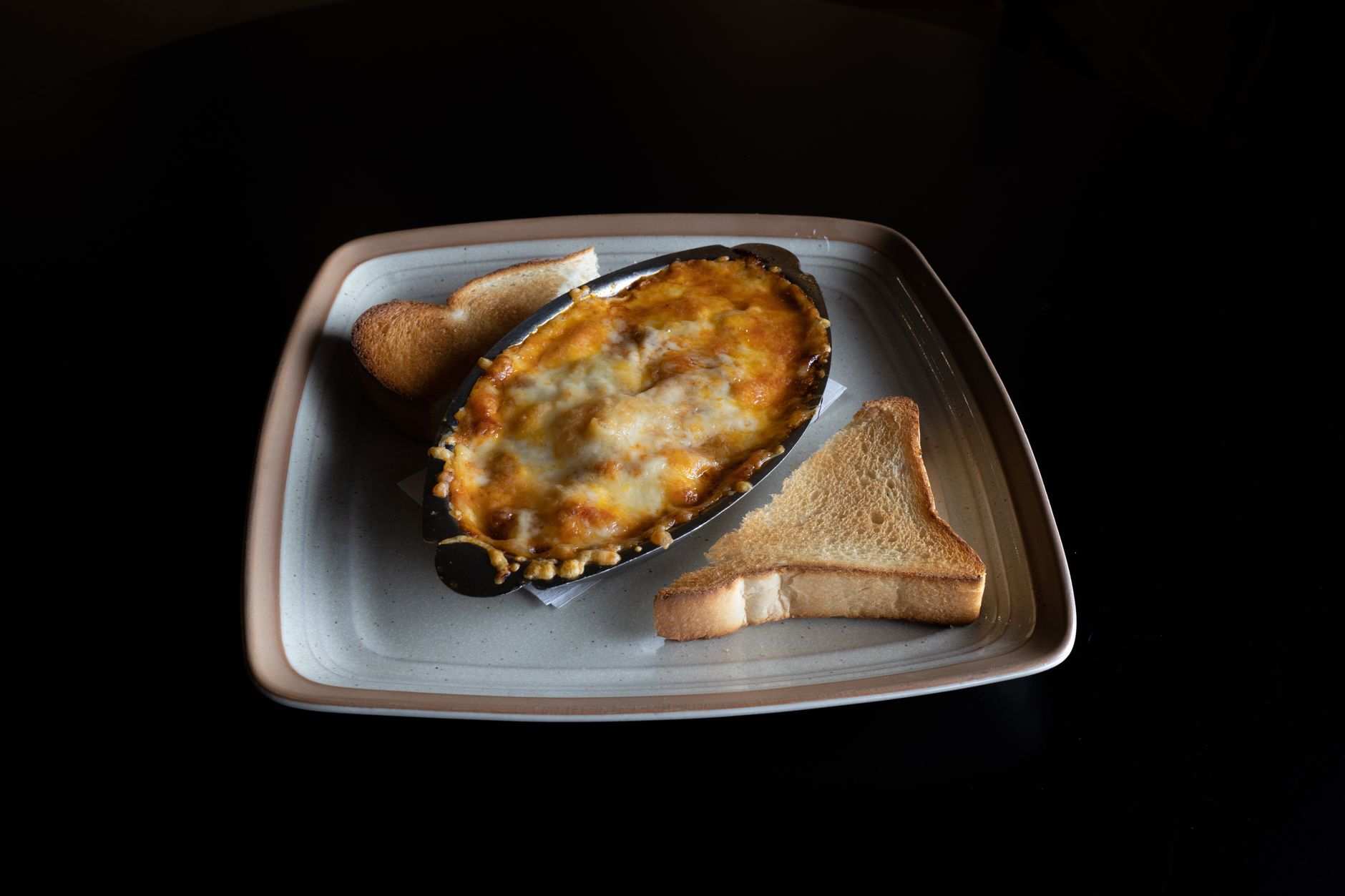
Cooking lasagna is a beloved tradition for many home chefs, and it often raises questions about the best methods for achieving the perfect dish. One of the most common questions is whether to cook lasagna covered or uncovered. The answer can significantly affect the texture, flavor, and overall outcome of your lasagna, so let’s explore the different methods and their implications.
In this article, we will discuss the pros and cons of both covered and uncovered cooking methods. You’ll also learn how to properly layer your lasagna, suggested cooking times, and some tips for achieving the best results. Whether you’re preparing a classic recipe or trying something new, this guide will set you up for success.
Do You Cook Lasagna Covered Or Uncovered?
The cooking method for lasagna typically depends on the desired texture and finish. Cooking lasagna covered, usually with aluminum foil, helps to trap moisture, making the dish softer and preventing it from drying out. On the other hand, cooking it uncovered allows for a beautifully browned top and a slightly crisp edge. The choice between covered and uncovered often hinges on personal preference and the specific outcome you’re looking for.
The Covered Method: Benefits and Drawbacks
Cooking lasagna covered has its advantages, especially if you prioritize a moist, tender bake.
Benefits of Cooking Lasagna Covered
- Moisture Retention: Covering the lasagna with foil or a lid prevents the steam from escaping, which keeps the noodles soft and the cheese creamy. This is particularly beneficial for layers with ricotta cheese or sauces that require a certain level of moisture to prevent them from drying out.
- Even Cooking: A covered dish cooks more evenly. The trapped steam circulates throughout, ensuring all layers are adequately heated without overcooking the top.
- Avoiding Burnt Edges: Uncovered lasagna can develop crispy or overly browned edges, which may not be desirable for all palates. Covering it mitigates this risk.
Drawbacks of Cooking Lasagna Covered
- Less Browning: While covering the lasagna retains moisture, it also prevents the top layer of cheese from achieving that golden, bubbly finish that many people love.
- Fewer Flavor Concentrations: Cooking covered may hinder the development of some flavor notes. Browning can contribute depth, which is often missed when cooking entirely covered.
The Uncovered Method: Benefits and Drawbacks
Cooking lasagna uncovered has its own set of advantages and is often chosen for the textural benefits it can provide.
Benefits of Cooking Lasagna Uncovered
- Golden, Crispy Topping: An uncovered lasagna allows for the cheese on top to caramelize and become golden and crispy. This is often a hallmark of a well-cooked lasagna.
- Enhanced Flavor Depth: Allowing some liquid to evaporate can concentrate flavors, making the dish richer and more robust.
- Visual Appeal: A well-browned top is visually pleasing, making the dish more appetizing when served to guests.
Drawbacks of Cooking Lasagna Uncovered
- Potential Dryness: Without a cover, the lasagna may dry out, especially if left in the oven for too long or if there isn’t enough moisture in the layers.
- Uneven Cooking: Depending on your oven’s heat distribution, some parts may cook faster than others, leading to inconsistencies in texture.
Choosing the Right Method: Recommendations
When it comes to cooking lasagna, the method you choose will depend on your desired outcome. For those who enjoy a creamy, soft dish, the covered method is advisable. Conversely, if you prefer a crispy, golden, and browned top, opt for the uncovered method. For many chefs, a combination can yield the best of both worlds.
A Hybrid Approach
A popular compromise is to start cooking the lasagna covered for the first part of the baking process, and then remove the cover to allow for browning in the final stages. Here’s a suggested timeline:
- Bake covered for the first 20-30 minutes.
- Remove the cover and bake for an additional 10-15 minutes.
This method allows you to benefit from the moisture retention while also achieving a satisfactory level of browning.
Cooking Time and Temperature Guidelines
The cooking time for lasagna can vary based on the method and oven type. A standard approach would be:
- Oven Temperature: Preheat the oven to 375°F (190°C).
- Cook Time: Bake your lasagna covered for 25-30 minutes, then uncover for an additional 15-20 minutes.
Always check for a bubbly and golden top, and let the lasagna rest for about 15 minutes before slicing to allow the layers to set.
Layering Your Lasagna: Technique Matters
The layering technique is just as critical as the cooking method. Properly layering your ingredients not only affects cooking time but also the overall flavor and texture of the dish.
Standard Layers in Lasagna
A classic lasagna typically consists of the following layers:
- Meat Sauce or Vegetarian Sauce: Start with a layer of sauce at the bottom to prevent sticking.
- Noodles: Place the noodles, either dry or cooked, over the sauce, ensuring they overlap for full coverage.
- Ricotta Mixture: Spread a layer of ricotta cheese mixed with egg and herbs for creaminess.
- Cheese: Sprinkle mozzarella and parmesan cheese generously.
- Repeat the layers, finishing with sauce and a final generous layer of cheese on top.
Tips for Perfect Layering
- Don’t Overstuff: While it’s tempting to pile on the fillings, aim for a balanced distribution to ensure even cooking.
- Use Quality Ingredients: Fresh herbs, good-quality cheese, and well-seasoned sauce will enhance the flavor profile.
- Ensure Noodles Are Soft: If you’re using uncooked noodles, they must absorb enough moisture to cook through. Consider pre-cooking them to guarantee tenderness.
Ingredient Substitutions for Lasagna
Lasagna is a versatile dish that can be adjusted to fit dietary preferences or availability of ingredients.
Common Ingredient Substitutes
- Meat: Substitute ground turkey or chicken for a lighter option. For vegetarian versions, use layers of roasted vegetables like zucchini, spinach, or mushrooms.
- Ricotta: Cottage cheese can work as a lower-fat alternative. Blending it with some herbs can enhance flavor.
- Noodles: Gluten-free noodles are available for those with gluten sensitivities. You can also consider vegetable slices like zucchini as an alternative.
- Cheese Blend: To save costs, mix mozzarella with other melting cheeses like gouda or provolone.
Considerations for Substitutions
When substituting ingredients, it’s essential to consider how they will affect cooking times and moisture levels. For instance, adding more vegetables may require additional baking time to ensure they are adequately cooked.
Common Mistakes to Avoid When Cooking Lasagna
Cooking lasagna might seem straightforward, but several pitfalls can lead to disappointing results.
Key Mistakes to Avoid
- Skipping the Resting Time: Not allowing the lasagna to rest can cause it to fall apart when sliced. Let it sit for at least 15 minutes.
- Using Too Much Sauce: Overloading with sauce can make it soupy. A balance of sauce and cheese is crucial for a stable structure.
- Wrong Oven Temperature: Always ensure your oven is calibrated correctly. Cooking at too high a temperature can lead to burnt edges while leaving the inside undercooked.
Serving Suggestions and Pairings
Lasagna is not only a meal on its own; it pairs wonderfully with various sides and beverages.
Perfect Side Dishes
- Salad: A fresh garden salad with a light vinaigrette complements the richness of lasagna.
- Garlic Bread: Crisp garlic bread is a classic pairing that balances the heaviness of the dish.
- Roasted Vegetables: A medley of seasonal roasted vegetables can enhance the meal with additional flavors and textures.
Wine Pairings
If you’re looking to elevate your meal further, consider serving your lasagna with a bold red wine, such as Chianti or Zinfandel, which can stand up to the dish’s flavors.
Storing and Reheating Lasagna
If you have leftovers, proper storage is crucial for maintaining flavor and safety.
Storage Guidelines
- Refrigeration: Store leftover lasagna in an airtight container in the refrigerator for up to 3-5 days.
- Freezing: For longer storage, freeze portions in airtight containers or aluminum foil for up to three months.
Reheating Tips
- Oven: Reheat in the oven at 375°F (190°C) for about 25 minutes, or until heated through.
- Microwave: Use medium heat for approximately 2-5 minutes, depending on the portion size, ensuring it is evenly heated.
By understanding whether to cook lasagna covered or uncovered, you can fine-tune your technique to achieve a lasagna that reflects your preferences for moisture, crispness, and flavor. Whether you choose the covered method for comfort or the uncovered route for a beautiful finish, each technique offers its unique benefits, ensuring that every bite is as satisfying as the last.
To explore more on lasagna cooking times, check out our guide about how long to cook lasagna or try our delicious million dollar lasagna recipe for a special treat. Happy cooking!