
There’s something utterly delightful about the scent of fresh pasta cooking in your kitchen. It brings back memories of family gatherings, laughter, and the joy of sharing a meal together. Making Homemade Pasta with a KitchenAid mixer is not only a fantastic way to impress your guests but also a simple process that yields incredible flavor and texture. The pasta is tender yet firm, perfect for soaking up all your favorite sauces. Plus, you can customize it to your heart’s content. Let’s roll up our sleeves and dive into this delicious adventure.
Why You’ll Love This Recipe
This recipe combines the charm of traditional pasta-making with the convenience of a KitchenAid mixer.
- Freshness: Homemade pasta offers unmatched flavor and texture.
- Versatility: Customize shapes and flavors to suit your dishes.
- Fun to Make: Involve the whole family in the process.
- Simple Ingredients: Just flour, eggs, and a little salt!
My Experience Making This Recipe
The first time I made pasta with my KitchenAid, it felt like magic. Watching the dough come together was mesmerizing, and the aroma as it cooked filled my home with warmth.
When I served it to my family, their delighted faces said it all. They savored every bite, and I knew I had created something special.
Recipe Overview
- Recipe Name: Homemade Pasta
- Servings: 4
- Prep Time: 30 minutes
- Cook Time: 3-5 minutes
- Total Time: 35-40 minutes
- Course: Main Course
- Cuisine: Italian
- Calories per Serving: 220
Equipment You Will Need
- KitchenAid stand mixer with a dough hook
- Pasta roller attachment
- Pasta cutter attachment (optional)
- Large mixing bowl
- Plastic wrap
- Flour for dusting
Ingredients for Homemade Pasta
- 2 cups all-purpose flour
- 3 large eggs
- 1/2 teaspoon salt
Ingredient Notes and Substitutions
- All-purpose flour: Provides a balanced texture. You can use semolina flour for a firmer pasta.
- Eggs: Adds richness and flavor. For a vegan option, substitute with aquafaba or a commercial egg replacer.
- Salt: Enhances the flavor of the pasta. You can omit it, but it may taste bland.
How to Make Homemade Pasta
Step 1: Prepare the Dough
In a large mixing bowl, combine the flour and salt. Make a well in the center and add the eggs.
Step 2: Mix with KitchenAid
Attach the dough hook to your KitchenAid mixer. Start on low speed, mixing until the ingredients come together into a dough.
Step 3: Knead the Dough
Once the dough forms, increase the speed and knead for about 5 minutes. This step develops gluten, giving the pasta its chewy texture.
Step 4: Rest the Dough
Wrap the dough in plastic wrap and let it rest for at least 30 minutes. Resting allows the gluten to relax, making it easier to roll out.
Step 5: Roll Out the Dough
After resting, divide the dough into quarters. Flatten one piece slightly and feed it through the pasta roller attachment on the widest setting.
Step 6: Thin the Dough
Gradually adjust the roller to thinner settings, rolling the dough each time. Aim for a thickness of about 1/16 inch for perfect pasta.
Step 7: Cut the Pasta
If using a pasta cutter attachment, run the rolled dough through it. Alternatively, you can cut it with a knife for fettuccine or pappardelle.
Step 8: Cook the Pasta
Bring a large pot of salted water to a boil. Cook the pasta for 3-5 minutes until al dente, then drain and serve with your favorite sauce.
Pro Tip: Don’t skip the resting time; it makes a huge difference in the dough’s texture.
Tips for the Best Homemade Pasta
- Use fresh eggs for the best flavor and color.
- Don’t rush the rolling process; take your time to achieve the right thickness.
- Flour your surfaces generously to prevent sticking.
- Experiment with different shapes like ravioli or lasagna sheets.
- Pair with a light sauce to let the fresh pasta shine.
Common Mistakes to Avoid
- Skipping the resting time will result in tough pasta.
- Using too much flour can dry out the dough.
- Not rolling the dough thin enough leads to chewy pasta.
- Overcooking the pasta can make it mushy.
Serving Suggestions
Fresh pasta pairs beautifully with a variety of sauces and toppings. Here are some ideas to elevate your dish:
- Classic marinara sauce with basil.
- Alfredo sauce with grilled chicken.
- Pesto with sun-dried tomatoes.
- Brown butter and sage for a rich flavor.
Variations to Try
- Add spinach puree for a vibrant green pasta.
- Incorporate herbs like basil or parsley for added flavor.
- Use whole wheat flour for a healthier option.
- Make ravioli filled with cheese or vegetables.
Dietary Adaptations
- Gluten-free: Use a gluten-free flour blend, but expect a different texture.
- Dairy-free: This recipe is already dairy-free; just be cautious with sauces.
- Vegan: Substitute eggs with aquafaba or a commercial egg replacer.
- Low-carb/Keto: Consider using almond flour for a low-carb version.
Storage and Reheating
Refrigerator
Store uncooked pasta in an airtight container. It can last for up to 2 days in the fridge.
- Dust with flour to prevent sticking.
- Cover tightly with plastic wrap or place in a container.
Freezer
To freeze pasta, lay it flat on a baking sheet until firm, then transfer to a freezer bag. It can be stored for up to 3 months.
- Ensure to label the bag with the date.
- Separate layers with parchment paper to avoid sticking.
Reheating
To reheat cooked pasta, briefly boil it in salted water. Alternatively, you can sauté it in a pan with sauce.
- Avoid microwaving, as it can make the pasta rubbery.
- Keep it moist with a splash of water if sautéing.
Nutrition Information
| Nutrient | Amount |
|---|---|
| Calories | 220 |
| Total Fat | 3g |
| Saturated Fat | 1g |
| Carbohydrates | 42g |
| Fiber | 2g |
| Sugar | 0g |
| Protein | 8g |
| Sodium | 250mg |
| Cholesterol | 120mg |
This information may vary based on cooking methods and ingredient brands used.
Frequently Asked Questions
Can I substitute the eggs in this recipe?
Yes, you can use aquafaba or a commercial egg replacer for a vegan alternative.
How far in advance can I make the pasta?
You can make the dough a day ahead; just store it in the refrigerator.
What if my pasta is too sticky?
Add a little more flour to the dough while kneading until it reaches the right consistency.
How do I know when the pasta is done cooking?
It should be tender yet firm to the bite, usually taking about 3-5 minutes in boiling water.
Can I make this pasta without a KitchenAid mixer?
Absolutely! You can mix and knead the dough by hand if you prefer a more hands-on approach.
Final Thoughts
Making homemade pasta is a rewarding experience that can elevate your meals from ordinary to extraordinary. So, roll up your sleeves and give this recipe a try; you might just find a new favorite.
If you’re looking for more culinary adventures, check out this Kitchenaid ice cream recipe or try making this delicious manicotti recipe with meat for your next family gathering.
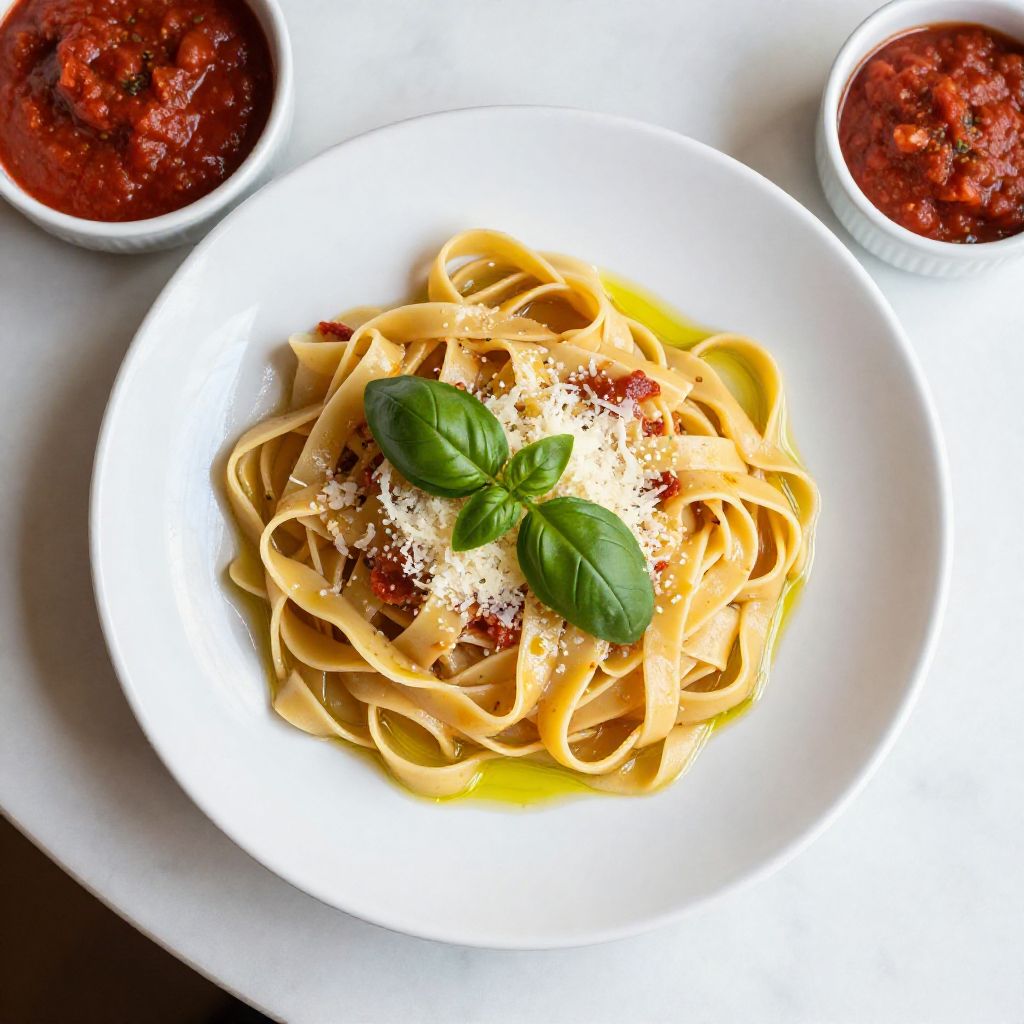
Homemade Pasta
Ingredients
Equipment
Method
- In a large mixing bowl, combine the flour and salt. Make a well in the center and add the eggs.
- Attach the dough hook to your KitchenAid mixer. Start on low speed, mixing until the ingredients come together into a dough.
- Once the dough forms, increase the speed and knead for about 5 minutes.
- Wrap the dough in plastic wrap and let it rest for at least 30 minutes.
- After resting, divide the dough into quarters. Flatten one piece slightly and feed it through the pasta roller attachment on the widest setting.
- Gradually adjust the roller to thinner settings, rolling the dough each time until about 1/16 inch thick.
- If using a pasta cutter attachment, run the rolled dough through it, or cut with a knife.
- Bring a large pot of salted water to a boil. Cook the pasta for 3-5 minutes until al dente, then drain and serve.