
Potassium is an essential mineral that plays a crucial role in various bodily functions, including maintaining fluid balance, supporting nerve function, and aiding muscle contractions. Ensuring adequate potassium intake can promote overall health, especially for those with specific dietary requirements or health conditions. This guide explores foods rich in potassium, their nutritional benefits, and practical ways to incorporate them into your diet.
To assist you in understanding how much potassium you need, we’ll outline specific foods high in potassium, their serving sizes, and tips for meal planning. You will also find ideas for substitutions and why including potassium-rich foods in your diet is essential for maintaining good health.
What Has Potassium in Food?
Common foods rich in potassium include fruits, vegetables, legumes, dairy products, and certain grains. The recommended daily intake of potassium is around 2,500 to 3,000 mg for adults. Many of these foods can help you easily meet your potassium needs.
Fruits High in Potassium
Fruits are an excellent source of potassium, providing a natural sweetness and numerous health benefits. Here are the top fruits to consider:
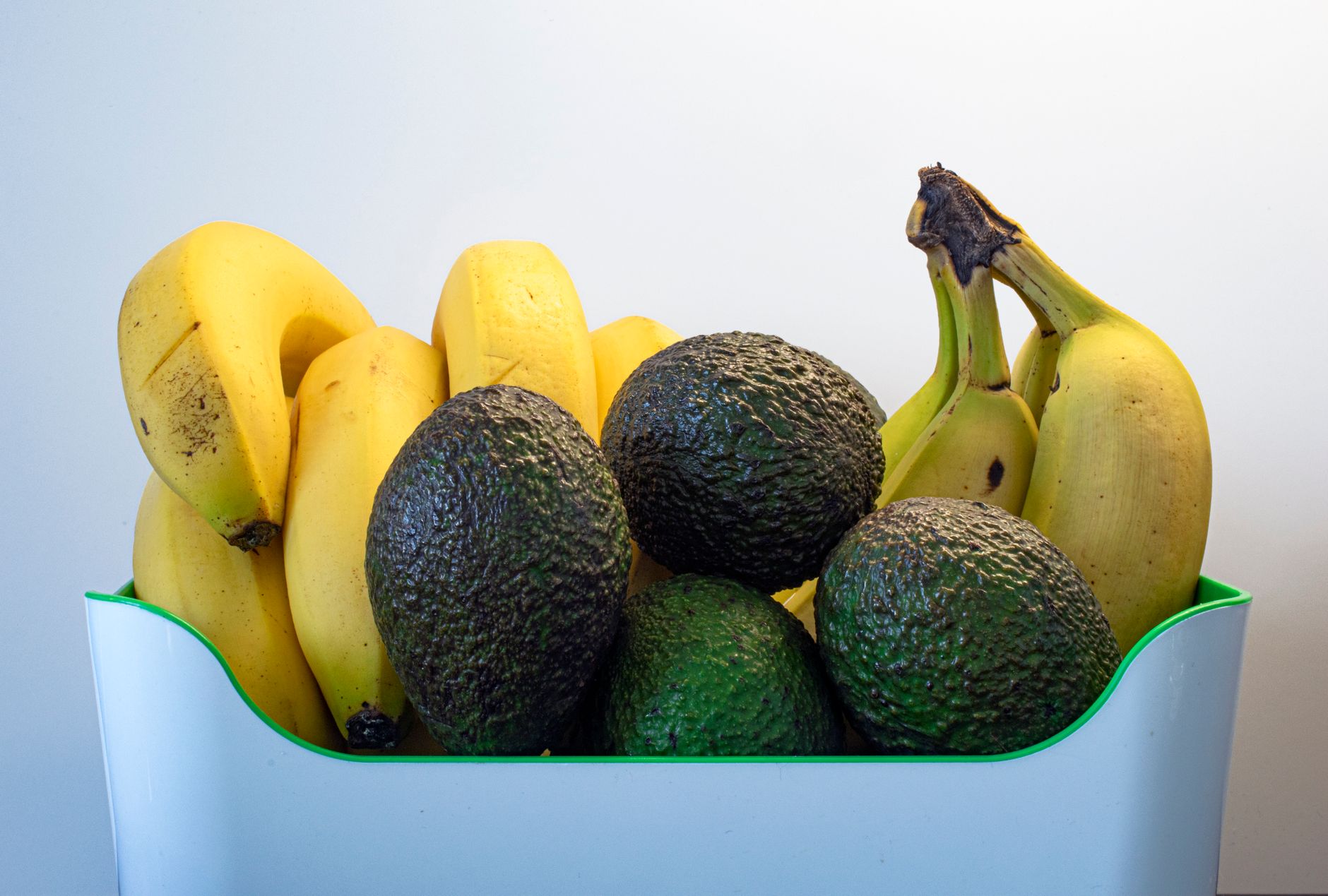
- Bananas: Approximately 422 mg of potassium per medium banana. They are creamy, sweet, and versatile, perfect for smoothies or as a snack.
- Avocado: Contains about 975 mg of potassium per medium avocado. Creamy in texture, avocados are great in salads, spreads, or smoothies.
- Oranges: Around 237 mg per medium orange. Juicy and refreshing, oranges make a great snack or add zing to salads.
- Apricots: Dried apricots contain about 1,162 mg of potassium per cup. They’re great for snacking or adding to dishes.
- Potato (with skin): A medium potato has roughly 926 mg of potassium. Baked or mashed, potatoes are hearty and filling.
- Dates: Around 418 mg per 100 grams, dates are dense and delicious, often used in energy bars or desserts.
Incorporating Fruits into Your Diet
Fruits can easily be added to your meals. Here are a few practical suggestions:
- Add sliced bananas or dried apricots to oatmeal or yogurt.
- Incorporate avocados into sandwiches or salads.
- Enjoy snacks of oranges or dates throughout the day.
Vegetables Rich in Potassium
Vegetables not only provide potassium but also many other vitamins and minerals. Some top potassium-rich vegetables include:
- Spinach: Approximately 839 mg of potassium per cooked cup. This leafy green can be added to salads, smoothies, or omelets.
- Swiss Chard: Around 961 mg per cooked cup. Use this versatile vegetable in sautés, soups, or as a side dish.
- Potatoes: As mentioned, medium potatoes are significant sources of potassium. They can be prepared in various ways, from baked to roasted.
- Beet Greens: With about 1,300 mg per cooked cup, beet greens are nutritious and can be sautéed or added to stews.
- Carrots: A cup of cooked carrots contains about 410 mg of potassium. They’re sweet raw, steamed, or roasted.
- Brussels Sprouts: Approximately 468 mg per cooked cup; they’re perfect for roasting or adding to casseroles.
Practical Preparation Tips for Vegetables
Maximizing the benefits of potassium-rich vegetables can be done in various ways:
- Steam or sauté vegetables to retain their nutrients.
- Add greens to smoothies for a potassium boost.
- Use root vegetables in soups and stews for added flavor and nutrition.
Legumes and Pulses
Legumes and pulses are not only high in potassium but also a great source of protein and fiber. Here are some options:
- Lentils: About 731 mg of potassium per cooked cup. They are excellent in soups, salads, and as side dishes.
- Kidney Beans: Contain around 607 mg of potassium per cooked cup, perfect for chili or bean salads.
- Black Beans: Approximately 611 mg of potassium per cooked cup. These beans work great in tacos or burritos.
- Chickpeas: Offer about 477 mg per cooked cup. They can be roasted, added to salads, or blended into hummus.
How to Use Legumes in Meals
Incorporating legumes into your daily meals can be simple:
- Add black beans to salads, wraps, or salsas.
- Use lentils as a base for a hearty soup.
- Make chickpea salad for a nutritious lunch option.
Dairy Products High in Potassium
Dairy products can be significant sources of potassium, especially for those who consume dairy as part of their diet:
- Yogurt: Contains around 380 mg per cup, making it perfect for smoothies or healthy snacks.
- Milk: Approximately 382 mg per cup, which can be consumed in various forms, including smoothies or cereals.
- Cheese: Contains anywhere from 150 mg to 300 mg per ounce, depending on the type. Cheese can enhance flavor in many dishes.
Ideas for Including Dairy in Your Diet
Here are ways to get your potassium from dairy:
- Blend yogurt into smoothies for added creaminess.
- Use milk in your morning cereal.
- Add cheese to salads or pasta dishes for extra flavor and nutrition.
Whole Grains and Nuts
Whole grains and nuts can also provide a good amount of potassium while contributing to your dietary fiber intake:
- Quinoa: Has about 318 mg of potassium per cooked cup. It’s great as a base for salads or as a side dish.
- Brown Rice: Contains around 154 mg of potassium per cooked cup, versatile for various dishes.
- Almonds: Provide approximately 208 mg per ounce. They can be used as snacks or toppings for salads.
- Walnuts: Offer around 125 mg per ounce, perfect for snacking or adding crunch to dishes.
Incorporating Whole Grains and Nuts
Adding these foods into your meals can be straightforward:
- Replace white rice with brown rice or quinoa for added nutrients.
- Use almonds in granola or as a topping for yogurt.
- Snack on a variety of nuts instead of chips or cookies.
Meal Planning for Potassium
To ensure you are getting enough potassium in your diet, meal planning can help you incorporate a variety of these rich foods. Here’s how to get started:
Sample Meal Plan
Here’s a one-day sample meal plan to help you increase your potassium intake:
- Breakfast: Smoothie made with 1 banana, 1 cup of yogurt, and a handful of spinach.
- Lunch: Quinoa salad with chickpeas, diced avocado, cucumbers, and olive oil dressing.
- Snack: A medium orange and a handful of almonds.
- Dinner: Baked potatoes topped with steamed broccoli and a side of kidney bean chili.
Tips for Effective Grocery Shopping
When grocery shopping, consider the following pointers to ensure you have potassium-rich foods on hand:
- Prioritize the purchase of fresh fruits and vegetables that are in season.
- Look for canned or dried beans and lentils to keep as pantry staples.
- Choose whole grain products over refined ones for added nutrients.
Substitutions for Potassium-Rich Foods
If you need to avoid certain foods due to allergies, dietary restrictions, or preferences, here are some practical substitutions:
- Bananas: Can be replaced with oranges or pears, both of which are also high in potassium.
- Legumes: If allergic to beans, consider lentils or chickpeas as alternatives.
- Dairy: Plant-based milk alternatives like almond or soy milk often have added potassium.
Common Mistakes When Trying to Increase Potassium Intake
While trying to boost potassium in your diet, avoid these common pitfalls:
- Neglecting Variety: Stick with a wide range of food sources instead of focusing on just one or two potassium-rich foods.
- Relying on Supplements: It’s usually better to get potassium from foods rather than supplements unless instructed by a healthcare provider.
- Ignoring Food Labels: Always check processing methods and added ingredients on packaged foods, as these can affect potassium levels.
Storing and Preparing Foods
Knowing how to properly store and prepare high-potassium foods can help you maintain their nutritional benefits:
- Store fruits and vegetables in a cool, dry place; refrigerate them when necessary.
- Cook vegetables by steaming or sautéing to retain more potassium compared to boiling.
- Be cautious with peeling vegetables, as the skin often contains higher concentrations of potassium.
Conclusion
Incorporating potassium-rich foods into your diet is crucial for maintaining overall health and vitality. Fruits, vegetables, legumes, dairy, and nuts offer a variety of flavors and textures, making it easy to include them in your meals. Plan ahead, experiment with substitutions, and enjoy the numerous benefits that potassium-rich foods provide.
To continue your culinary journey, explore our delicious Lima Beans Recipe and try our delightful Sweet Potato Cornbread Recipe for more flavorful meal ideas.