
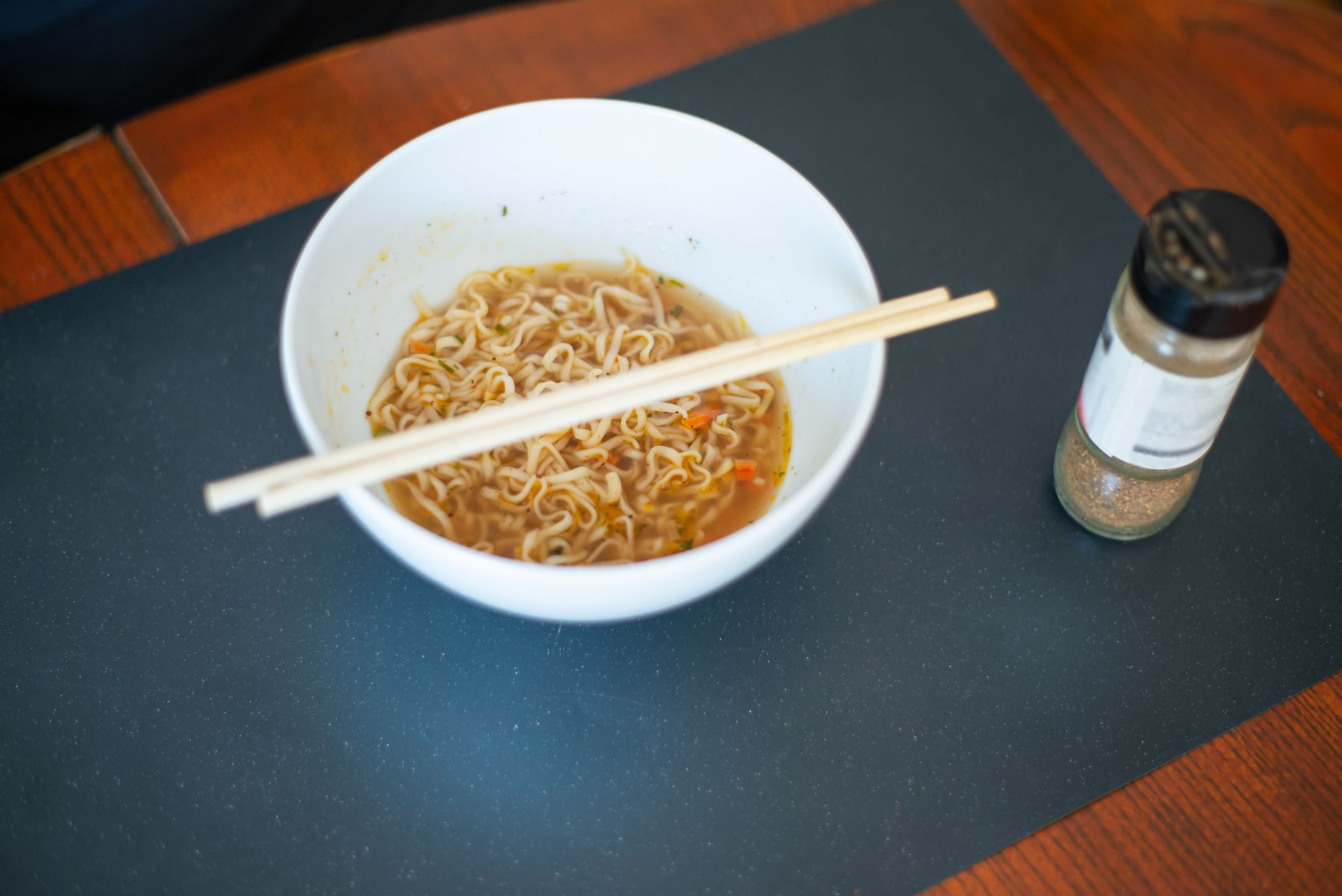
Ramen, a beloved noodle dish, has captured the hearts (and stomachs) of food enthusiasts around the world. Its enticing combination of flavorful broth, tender noodles, and rich toppings makes it a satisfying meal choice. But before you enjoy your next bowl, it’s worth exploring the history and origins of ramen to understand how it evolved into the dish we know today.
The origins of ramen are shrouded in a mix of cultural influences and culinary creativity. While it’s commonly associated with Japan, its roots can be traced back to China. This article will take you through the fascinating journey of ramen, exploring its history, ingredients, regional variations, and even tips on how to make a delicious bowl at home.
Where Did Ramen Originate?
Ramen originated from Chinese noodle dishes, specifically a form of wheat noodle called “lamian.” Chinese immigrants brought these noodles to Japan in the late 19th and early 20th centuries. Over time, the Japanese adapted the dish, leading to the creation of unique regional varieties that incorporate local ingredients and flavors.
The Early Influences of Ramen
The pathways of ramen’s history can be traced back to the 17th century when wheat noodles known as “mian” were introduced to Japan through trade with the Chinese. The dish became increasingly popular in Japan during the Meiji era (1868-1912) as the country opened its doors to Western influence and modern culinary practices.
Street vendors in cities like Yokohama began serving these noodles, often in a simple broth made from meat or soy sauce. The dish was named “shina soba,” which translates to “Chinese buckwheat noodles.” This name reflected its Chinese heritage but also highlighted its unique place in Japanese cuisine.
Early Adoption and Popularity
By the early 20th century, ramen began to gain popularity throughout Japan. The first official ramen shop, the “Yokohama Ramen,” opened in 1910 in Yokohama Chinatown, marking the beginning of ramen as a staple meal for many. Ramen was embraced for its affordability, quick preparation time, and the flavorful, satisfying combination of ingredients.
Post-War Boom and the Instant Ramen Revolution
The popularity of ramen exploded after World War II, during which Japan faced food shortages. Instant ramen, a game-changing innovation, was created by Momofuku Ando of Nissin Foods in 1958. His invention made ramen even more accessible and convenient, allowing people to enjoy this noodle dish anytime, anywhere.
The instant ramen craze not only contributed to ramen’s widespread popularity but also cemented its status as a cultural phenomenon. Instant ramen brands proliferated, and various flavors emerged, further diversifying and localizing the dish across Japan and beyond.
Regional Variations of Ramen
As ramen spread through Japan, different regions began to develop their own distinctive styles, each with unique ingredients and flavors. Here are some notable regional varieties:
- Shoyu Ramen: Originating from Tokyo, shoyu ramen features a soy sauce-based broth, usually combined with chicken or pork. It’s characterized by a clear, reddish-brown color and has a rich, umami flavor.
- Miso Ramen: Hailing from Hokkaido, miso ramen incorporates miso paste into its broth, creating a hearty and satisfying flavor. This version often includes corn, butter, and other hearty toppings.
- Shio Ramen: This salt-based ramen is one of the oldest styles and typically features a clear broth made from chicken, seafood, or vegetables. It is light and refreshing, with less emphasis on richness.
- Tonktotsu Ramen: Originating from Fukuoka, tonkotsu ramen is famous for its creamy, pork bone broth that requires long simmering to extract the deep umami flavors. It’s often served with thin, straight noodles.
- Tsukemen: This variation involves serving dipping noodles separately from the broth, allowing diners to dip the cold noodles into the warm, flavorful soup before each bite. This style provides a different texture experience.
The Anatomy of Ramen
To fully appreciate ramen, it’s important to understand its components. Each part of the dish plays a crucial role in creating its signature flavors and textures.
The Broth
The broth is arguably the most crucial element of ramen, providing the base flavor for the dish. It can range from light and delicate to rich and hearty. The primary types of broth in ramen include:
- Pork Bone (Tonkotsu): Thick, creamy, and earthy, this is created by boiling pork bones to extract gelatin and flavor.
- Chicken (Toripaiten): A lighter broth made from simmered chicken bones that provides a delicate flavor.
- Vegetable: Made from various vegetables, this broth is suitable for vegetarian and vegan ramen, often seasoned with miso or soy sauce.
- Seafood: Fish and shellfish can also be used to make a savory, umami-rich broth, often paired with lighter toppings.
The Noodles
The noodles serve as the star of ramen. Typically made with wheat flour, water, salt, and kansui (an alkaline mineral water), ramen noodles vary in thickness, texture, and shape. There are generally two main categories:
- Straight noodles: These are common in shoyu and shio ramen, providing a firm texture.
- Curly noodles: Frequently used in tonkotsu ramen, they help hold onto the rich broth.
The Toppings
Ramen can be customized with an array of toppings to enhance flavor and visual appeal. Common toppings include:
- Chashu: Braised pork belly that adds richness.
- Menma: Fermented bamboo shoots, contributing a slight crunch.
- Nori: Seaweed sheets that bring umami and a briny flavor.
- Negi: Sliced green onions for freshness and crunch.
- Soft-boiled eggs: Typically marinated for flavor, they add creaminess to the dish.
Making Ramen at Home
For those wishing to recreate ramen at home, knowing how to make a basic version can be a rewarding culinary experience. Below is an outline for preparing a simple ramen dish.
Ingredients
- 4 cups of broth (chicken, pork, or vegetable)
- 200g fresh ramen noodles
- 200g chashu (braised pork belly) or tofu for a vegetarian option
- 1 soft-boiled egg, halved
- 2 tablespoons menma (bamboo shoots)
- 2 sheets nori (seaweed)
- ½ cup sliced green onions
- Salt and soy sauce to taste
Equipment
- Large pot for broth
- Pot for boiling noodles
- Cooking knife for slicing
- Serving bowls
Method
- Prepare the broth: If using store-bought broth, heat it in a pot. For homemade, simmer chicken or pork bones with aromatics like garlic and ginger for a few hours, then strain the solids.
- Cook the noodles: Boil the ramen noodles according to package instructions. Once done, rinse them briefly under cold water to stop the cooking process.
- Assemble the ramen: In a serving bowl, place a portion of cooked noodles. Pour hot broth over the noodles until they are submerged.
- Add toppings: Arrange the chashu (or tofu) slices, half a soft-boiled egg, menma, and nori on top of the noodles. Sprinkle green onions for garnish.
- Season to taste: Adjust with salt or soy sauce as necessary. Serve hot and enjoy!
Common Mistakes and Troubleshooting
Making ramen can be a delicate process, but with some awareness of common pitfalls, you can create a delicious dish:
- Choosing the wrong noodle type: Ensure you select the correct noodle for your broth type. Straight noodles typically work better with light broths, while curly ones pair well with rich broths.
- Overcooked noodles: Keep a close watch on your noodle cooking time to prevent them from becoming mushy. They should be firm and slightly chewy.
- Improperly seasoned broth: Don’t underestimate the importance of seasoning. Taste your broth at different stages to adjust flavors using salt or soy sauce.
- Neglecting toppings: Toppings greatly enhance your ramen experience, so include a variety to introduce textures and flavors.
Storing and Reheating Ramen
Leftover ramen can be kept for a limited time, but storing it can affect its texture and flavor.
- Broth: Store in an airtight container in the refrigerator for up to 3 days or freeze for longer storage.
- Noodles: Cooked noodles can become mushy when stored; keep them separate from the broth. They can be refrigerated for up to 2 days.
- Toppings: Store toppings like chashu and eggs separately in the refrigerator to maintain their freshness.
To reheat, heat the broth until boiling, add cooked noodles, and serve with reheated toppings for the best results.
The Global Phenomenon of Ramen
The cultural impact of ramen extends beyond Japan, as it has become a global favorite, inspiring restaurants and chefs worldwide. As interest in ramen has surged, international ramen festivals celebrate the dish, while chefs experiment with unique ingredients and methods.
In the United States, ramen has evolved to incorporate local flavors and inspirations, leading to creative interpretations like spicy kimchi ramen or seafood variations, showcasing the dish’s versatility.
Final Thoughts on Ramen’s Evolution
From its humble beginnings as a simple noodle dish brought from China, ramen has journeyed through history to become a cherished meal in Japanese cuisine and beyond. Its adaptability and creativity have made it a favorite across cultures, with an endless array of variations that are limited only by personal preference and regional influences.
Before diving into your next bowl, consider experimenting with different components, flavors, and techniques. Whether you stick closely to tradition or pursue a more modern twist, the world of ramen awaits your culinary exploration.
For more delightful recipes and cooking insights, check out our creamy ramen recipe or learn how to make buldak ramen for something a bit spicy.