
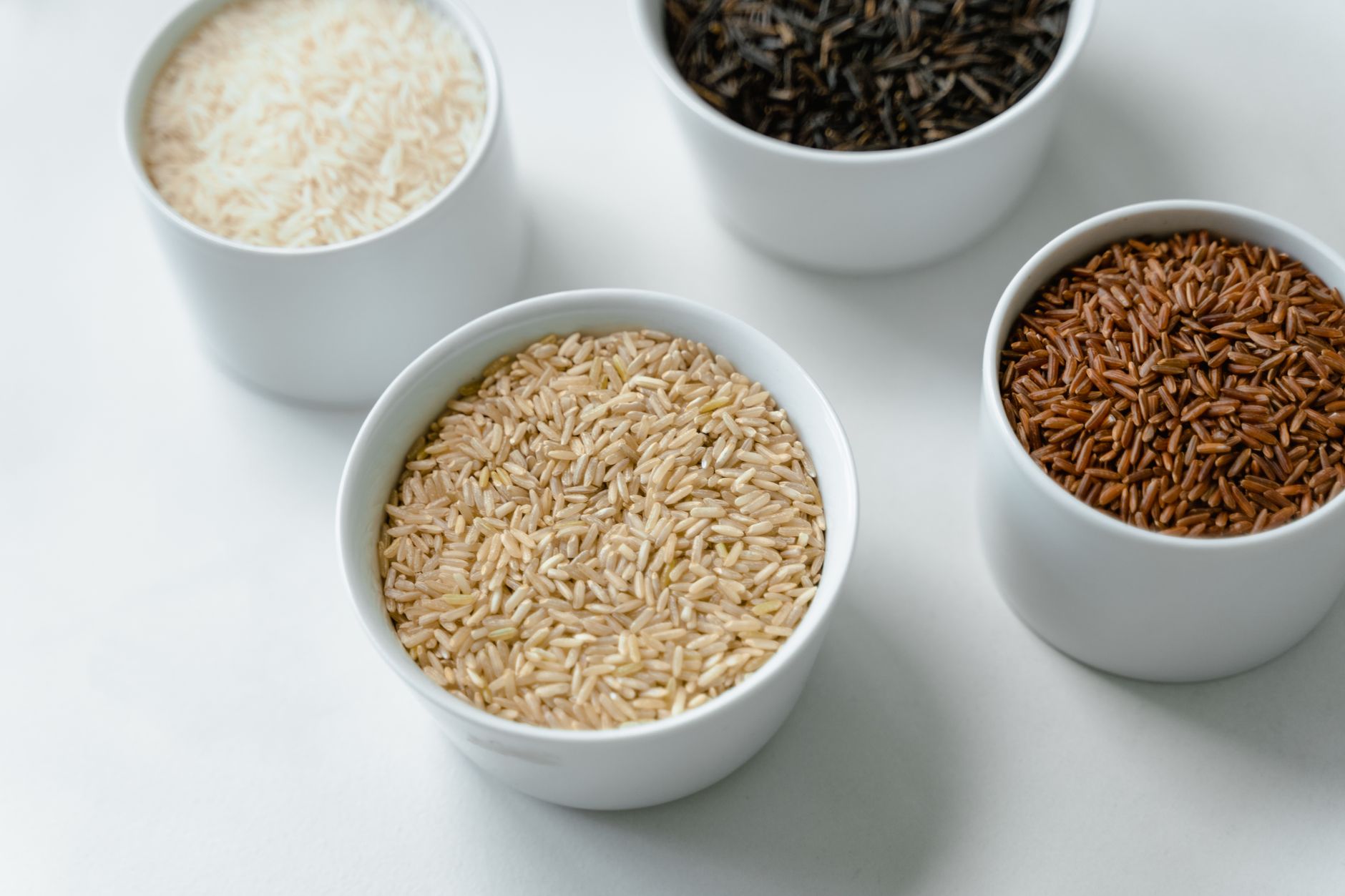
Brown rice has gained popularity as a nutritious staple in many diets around the world. This whole grain offers a wealth of benefits that extend beyond its nutritional profile. With a unique flavor and texture, brown rice can enhance numerous dishes while providing essential nutrients. But is brown rice good for you? This article dives into its nutritional content, benefits, cooking methods, and potential concerns.
Whether you’re a health enthusiast or just looking to add more whole grains to your diet, understanding brown rice’s benefits can help you make informed choices. We will explore its fiber content, vitamins, and minerals, as well as offer practical cooking techniques and tips to incorporate it into your meals.
Is Brown Rice Good for You?
Yes, brown rice is generally considered good for you due to its nutritional value. It is a whole grain that retains its bran and germ, making it richer in fiber and essential nutrients compared to white rice. Regular consumption of brown rice can contribute to better digestion, support weight management, and provide a steady source of energy.
Nutritional Profile of Brown Rice
To determine whether brown rice is beneficial, let’s delve into its nutritional content per one cup (cooked) serving:
- Calories: 218
- Carbohydrates: 45 grams
- Protein: 5 grams
- Fat: 1.6 grams
- Fiber: 3.5 grams
- Iron: 5% of the Daily Value (DV)
- Magnesium: 21% of the DV
- Manganese: 88% of the DV
- Vitamin B6: 11% of the DV
As you can see, brown rice is a rich source of magnesium, which is crucial for energy production and muscle function. Additionally, its fiber content aids in digestion and helps regulate blood sugar levels, making it a smart choice for those managing diabetes.
Health Benefits of Brown Rice
1. High in Fiber
One of the defining features of brown rice is its high fiber content. The bran layer, which is removed in white rice, contains much of the grain’s fiber. Fiber aids in digestion, promotes satiety, and can help in maintaining a healthy weight. A high-fiber diet has been linked to reduced risks of chronic diseases, including heart disease and certain types of cancer.
2. Rich in Nutrients
Brown rice is packed with essential nutrients. It contains various vitamins and minerals, including magnesium, phosphorus, selenium, thiamine, niacin, and vitamin B6. These nutrients play crucial roles in metabolic processes, energy production, and overall health.
3. May Aid in Weight Management
Due to its fiber content, brown rice may help you feel full longer, reducing overall caloric intake. Additionally, its low glycemic index means that it may help maintain steady blood sugar levels, preventing spikes and dips that can lead to cravings.
4. Heart Health
The whole grains found in brown rice can benefit heart health. Studies suggest that whole grain consumption is associated with lower cholesterol levels, reduced blood pressure, and a decreased risk of heart disease. Brown rice also contains antioxidants, which can help mitigate oxidative stress and inflammation in the body.
5. Supports Digestive Health
The fiber in brown rice supports healthy digestion by promoting regular bowel movements and preventing constipation. A diet high in fiber is also linked to a lower risk of developing digestive disorders, such as colon cancer and diverticulitis.
Potential Concerns of Brown Rice
While brown rice is generally healthy, there are a few concerns to consider:
1. Arsenic Levels
Brown rice can contain higher levels of inorganic arsenic due to its cultivation method. Arsenic is a known carcinogen and can pose health risks over time. To minimize exposure, consider varying your grain choices or rinsing brown rice thoroughly before cooking to help remove some of the arsenic content.
2. Phytates
Brown rice also contains phytates, which can inhibit the absorption of certain minerals, like iron and zinc. Soaking or sprouting rice before cooking can help reduce phytate levels, making these nutrients more bioavailable.
3. Allergies and Sensitivities
Some individuals may have allergies or sensitivities to grains, including rice. If you experience digestive issues or other symptoms after consuming brown rice, consult a healthcare professional.
How to Cook Brown Rice
Cooking brown rice differs from white rice due to its outer bran layer, which requires more time and water to become tender. Here’s a straightforward method to cook perfect brown rice:
Essential Equipment
- Medium-sized saucepan with a lid
- Measuring cups and spoons
- Fork for fluffing the rice
Ingredients
- 1 cup brown rice
- 2.5 cups water or broth
- Pinch of salt (optional)
Step-by-Step Cooking Method
- Rinse the brown rice under cold water in a fine-mesh strainer. This helps remove excess starch and any impurities.
- In a medium saucepan, combine rinsed brown rice, water or broth, and salt (if using).
- Bring the mixture to a boil over medium-high heat.
- Once boiling, reduce the heat to low, cover, and simmer for about 45 minutes, or until the rice is tender and water is absorbed.
- Remove the saucepan from heat and let it sit covered for 10 minutes. This helps the remaining steam finish cooking the rice.
- Fluff the rice with a fork before serving. Enjoy it as a side dish, or use it as a base for various recipes.
Cooking Tips and Variations
Brown rice is versatile and can be incorporated into various dishes. Here are some tips and variations for cooking and enjoying brown rice:
1. Flavoring the Rice
Experiment with flavoring your brown rice by cooking it in vegetable or chicken broth instead of water. You can also add bay leaves, garlic, or onion to the cooking water for additional flavor.
2. One-Pot Meals
For a complete meal, consider making one-pot dishes like brown rice jambalaya, pilaf, or stir-fry. These meals often require minimal cleanup and allow you to incorporate your favorite vegetables and proteins.
3. Brown Rice Salads
Chilled brown rice works well in salads. Add an array of fresh vegetables, beans, herbs, and a vinaigrette for a nutritious side or main dish.
4. Meal Prep
Brown rice can be prepared in advance and stored in the refrigerator for up to four days. It can be reheated and used in various meals to save time during the week.
How to Incorporate Brown Rice into Your Diet
Incorporating brown rice into your meals is simple. Here are some practical suggestions:
1. Breakfast Bowls
Use brown rice as a base for breakfast bowls. Top it with eggs, sautéed vegetables, avocado, and your favorite hot sauce for a filling morning meal.
2. Stir-Fries
Combine cooked brown rice with your choice of protein (chicken, tofu, or shrimp) and a variety of colorful vegetables for a nutritious stir-fry.
3. Soups and Stews
Add cooked brown rice to soups and stews for additional substance and fiber.
4. Grain Bowls
Prepare a grain bowl with layers of brown rice, greens, roasted vegetables, and a protein source such as grilled chicken or chickpeas. Drizzle with your favorite dressing for a hearty meal.
Storage and Reheating
Proper storage of cooked brown rice is essential for maintaining its quality and safety:
1. Storing Cooked Brown Rice
- Allow cooked brown rice to cool to room temperature before storing it in an airtight container.
- Store the rice in the refrigerator for up to four days.
- For longer storage, freeze cooked brown rice in freezer-safe containers for up to six months.
2. Reheating Instructions
Reheat brown rice either in the microwave or on the stovetop:
- Microwave: Place the rice in a microwave-safe bowl, sprinkle with water, cover, and heat for 1-2 minutes, or until warmed through.
- Stovetop: Add a splash of water or broth to a saucepan, heat over low heat, and cover until warmed through.
Conclusion
Brown rice is a nutritious addition to any diet, providing fiber, essential vitamins, and minerals. Its versatility makes it easy to incorporate into various meals, making it a practical choice for health-conscious individuals. While being mindful of potential arsenic content, the benefits of eating brown rice outweigh the concerns for most people.
As you explore the world of brown rice, consider incorporating some delicious recipes into your meal prep routine. For a helpful starting point, check out our Instant Pot brown rice recipe and discover nutritious alternatives with our protein brownies recipe.