
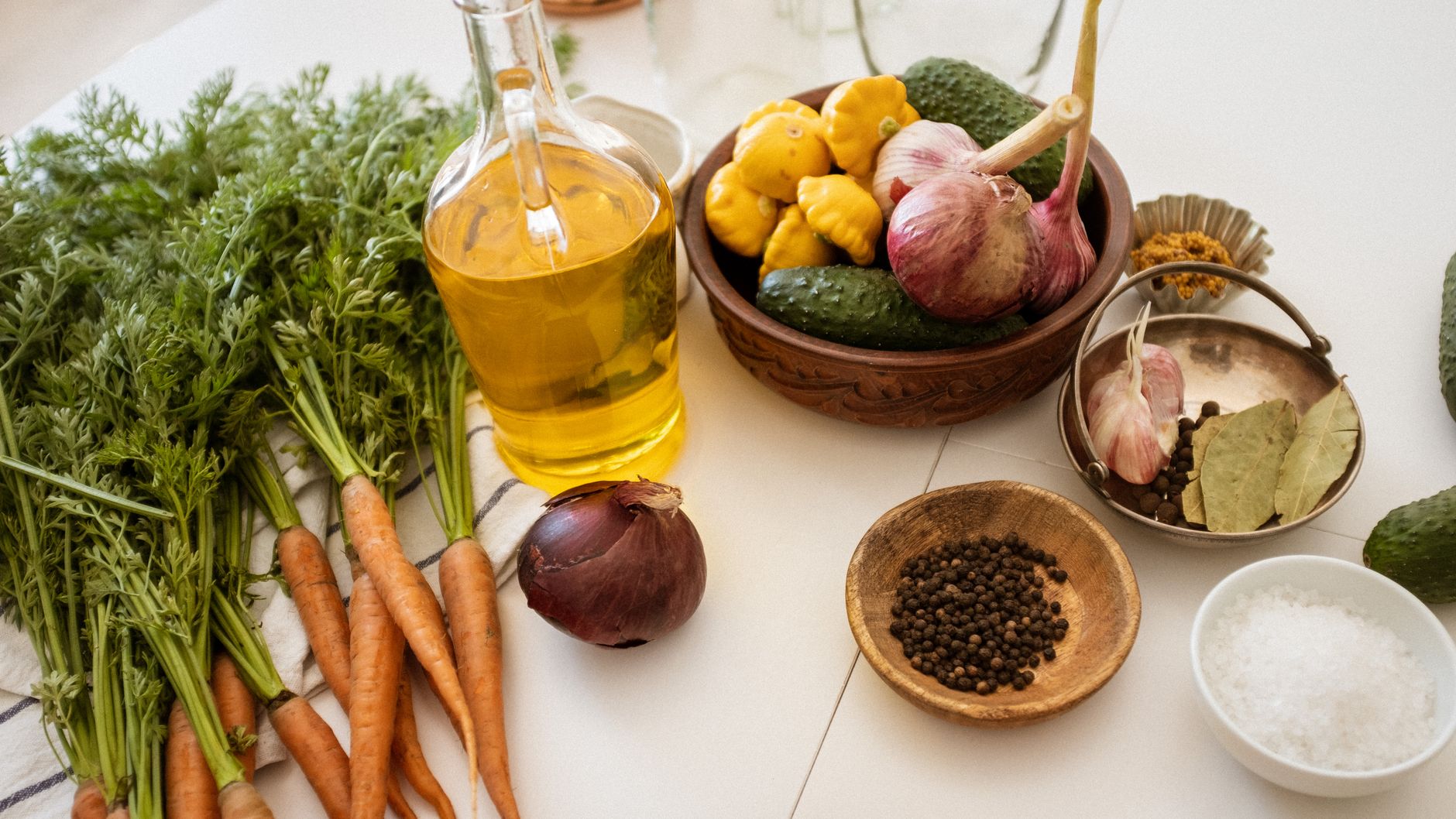
When cooking, one vital factor to consider is the smoke point of the oil you are using. The smoke point is the temperature at which oil starts to smoke and break down, which can negatively impact the flavor and nutritional value of your dish. Understanding which cooking oil has the highest smoke point can enhance your cooking techniques and improve your meals.
This guide will delve into various cooking oils, compare their smoke points, and offer cooking tips and applications to help you select the best oil for your culinary needs.
Which Cooking Oil Has the Highest Smoke Point?
The cooking oil with the highest smoke point is refined avocado oil, which can reach temperatures as high as 520°F (271°C). Other oils such as refined safflower oil, refined rice bran oil, and refined grapeseed oil also have high smoke points, making them excellent choices for high-temperature cooking methods.
Understanding Smoke Points
To select an appropriate oil for your cooking method, it’s essential to understand what smoke point means. The smoke point is essentially the temperature threshold where oil begins to produce visible smoke. At this temperature, chemical compounds in the oil start to degrade, resulting in a burnt flavor and potentially harmful compounds.
Different oils have varying smoke points due to factors such as their fatty acid composition and whether they are refined or unrefined. Generally, refined oils have higher smoke points than unrefined oils because the refining process removes impurities and free fatty acids, which can lower the smoke point.
High Smoke Point Oils
Below is a list of several oils with high smoke points, ideal for various cooking techniques:
- Refined Avocado Oil: 520°F (271°C)
- Refined Safflower Oil: 510°F (265°C)
- Refined Rice Bran Oil: 450°F (232°C)
- Refined Grapeseed Oil: 420°F (216°C)
- Canola Oil: 400°F (204°C)
- Sunflower Oil: 440°F (227°C)
- Peanut Oil: 450°F (232°C)
- Sesame Oil (refined): 410°F (210°C)
Choosing the Right Oil for Different Cooking Techniques
Knowing the smoke point of various oils can vastly improve your cooking results. Here’s how to utilize high smoke point oils for specific cooking techniques:
Deep Frying
For deep frying, you need an oil that can withstand high temperatures without burning. Refined peanut oil, avocado oil, and safflower oil are ideal options due to their high smoke points. They also impart subtle flavors without overwhelming the dish.
Sautéing and Stir-Frying
Sautéing and stir-frying often require cooking at medium to high temperatures. Here, canola oil, grapeseed oil, and refined sunflower oil work well as they combine a high smoke point with a neutral flavor, allowing the main ingredients to shine.
Grilling
When grilling, a high smoke point oil can help prevent food from sticking. Use avocado oil or refined olive oil as marinades or brushes for the grill grates. Bear in mind that while extra virgin olive oil has a lower smoke point, refined versions can be used effectively.
Baking
In baking, the oil’s flavor and properties matter less than in cooking methods that use high heat. Oils such as canola and avocado oil can be used in baked goods at lower temperatures. They help achieve a moist texture without noticeable flavors.
Roasting and Pan-Seering
For roasting vegetables or meats, higher smoke point oils like grapeseed oil and refined sesame oil can allow more robust flavors to develop without burning. For pan-searing, consider using refined avocado oil due to its high heat tolerance, which allows for perfect crusts.
Refining vs. Unrefined Oils
When looking for oil with a high smoke point, it’s crucial to differentiate between refined and unrefined oils. Refined oils undergo processing to remove impurities and free fatty acids, leading to higher smoke points. However, they may lose some nutrients and flavor compared to unrefined oils.
Unrefined oils, such as extra virgin olive oil, have lower smoke points due to their natural compounds. They are rich in antioxidants and healthy fats but are better suited for low-temperature cooking or as finishing oils for cold dishes like salads.
Common Cooking Oil Substitutes
If you find yourself running low on your preferred cooking oil, here are some common substitutes that can work in a pinch:
- Olive Oil: Can be used in place of canola oil for cooking but do note its lower smoke point when frying.
- Coconut Oil: A good substitute for shortening or butter in recipes, but it carries a distinct flavor.
- Butter: Can replace oils for frying and baking. While it burns at a lower temperature, clarifying butter can increase its smoke point.
- Grapeseed Oil: Acts as a substitute for other neutral oils and can be a great option for high-heat cooking.
Common Mistakes When Choosing Cooking Oils
Here are some common pitfalls to avoid when selecting cooking oils:
- Ignoring Smoke Points: Using an oil with a low smoke point for high-heat cooking can lead to burnt flavors and harmful compounds.
- Confusing Different Types: Always check if the oil is refined or unrefined; make sure you use the right kind for your cooking method.
- Not Considering Flavor: Some oils, like sesame or olive oil, have strong flavors and may not work well in all recipes.
- Storing Oil Incorrectly: Oils should be stored in a cool, dark place to prevent them from going rancid.
Tips for Storing Cooking Oils
The storage of cooking oils plays a significant role in maintaining their quality:
- Keep Away from Heat: Store oils in a cool, dark place, away from direct sunlight and heat sources.
- Seal Tightly: Make sure containers are tightly sealed to prevent oxidation and rancidity.
- Use Glass Containers: Glass containers tend to be less reactive than plastic and can help maintain the integrity of the oil.
- Check for Freshness: Always sniff your oil before using it. If it smells off or rancid, it’s time to replace it.
Final Thoughts
Knowing which cooking oil has the highest smoke point is invaluable for enhancing your cooking experience. Whether you’re frying, sautéing, or baking, selecting the right oil can make all the difference in flavor and texture.
To summarize, refined avocado oil stands out with its high smoke point, making it one of the best choices for high-temperature cooking. Remember to consider not only the smoke point but also the flavor profile of the oil to achieve the best results in your dishes. Happy cooking!
For further reading, you might also enjoy learning about substitutions for cooking oils or what oil Chick-fil-A uses.
Explore more cooking tips and ingredient guides to enhance your culinary skills!