
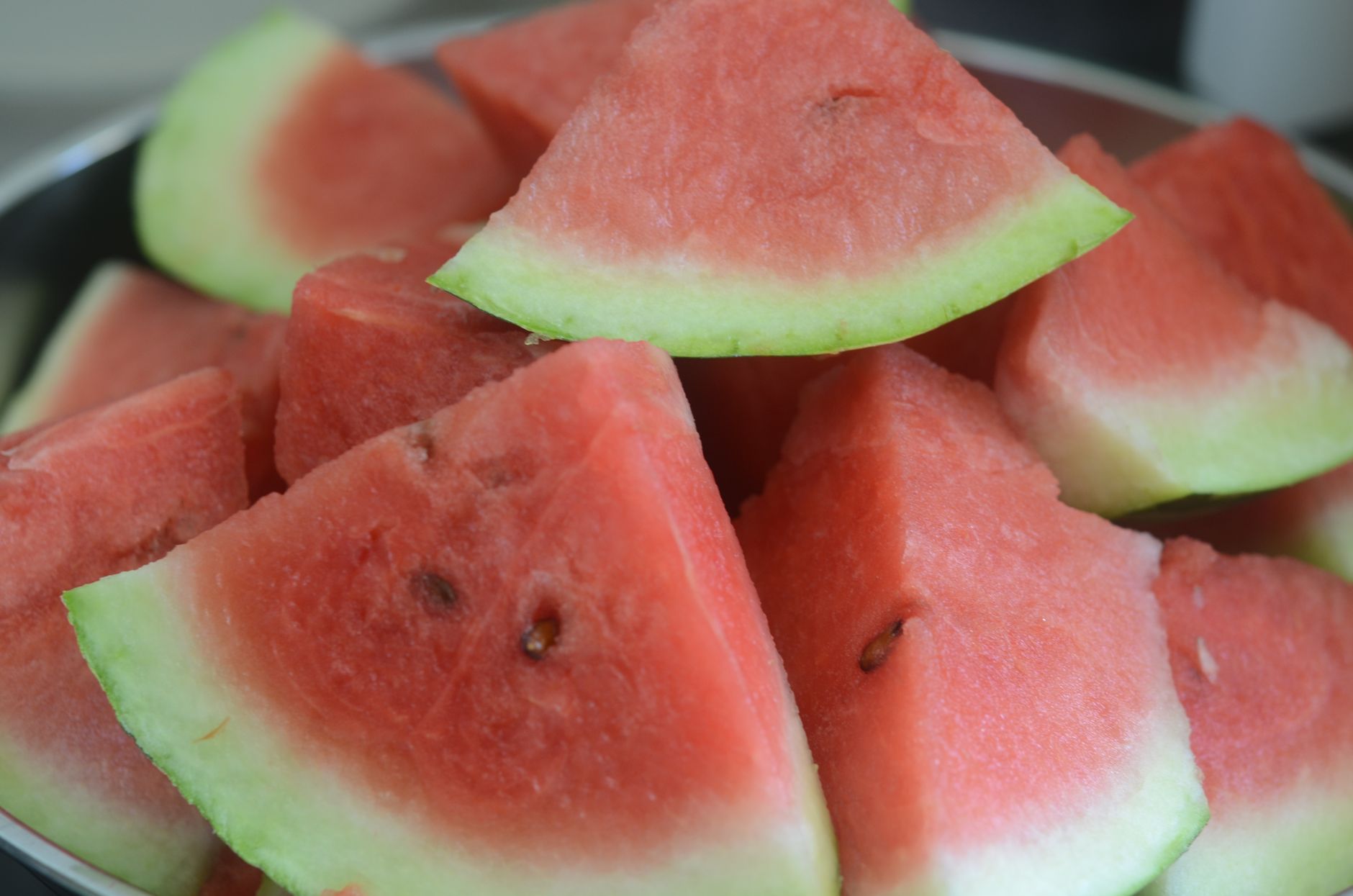
Watermelon is a delightful summer fruit, known for its high water content and refreshing flavor. For those managing diabetes, it’s essential to understand how watermelon fits into a balanced diet. This article delves into the nutritional aspects of watermelon, how it affects blood sugar levels, and offers practical tips on incorporating it into meals.
Whether you’re a diabetic looking to satisfy your sweet tooth or simply curious about healthy fruit choices, read on to learn about the benefits, potential concerns, and culinary uses of watermelon.
Is Watermelon Ok for Diabetics?
Yes, watermelon can be enjoyed by diabetics, but with caution. It has a high glycemic index, which means it can raise blood sugar levels more quickly than other lower-GI fruits. Understanding portion sizes and incorporating watermelon into a balanced diet is crucial for managing diabetes effectively.
Nutritional Profile of Watermelon
Watermelon is primarily composed of water, making it an excellent hydrating fruit. It also provides several essential nutrients:
- Calories: Approximately 30 calories per 100 grams
- Carbohydrates: About 7.6 grams
- Sugars: Around 6.2 grams
- Fiber: Approximately 0.4 grams
- Vitamin C: 8.1 mg (about 10% of the daily value)
- Vitamin A: 1126 IU (about 23% of the daily value)
- Potassium: 112 mg (about 3% of the daily value)
Understanding Glycemic Index and Load
The glycemic index (GI) measures how quickly foods raise blood sugar levels. Watermelon has a GI of about 72, classifying it as high on the scale. However, it’s important also to consider the glycemic load (GL), which factors in the amount of carbohydrates in a serving:
- Glycemic Load of Watermelon: A standard serving size (about 120 grams or one cup) has a glycemic load of roughly 6.
This means that although watermelon has a high GI, its effect on blood sugar may not be as pronounced due to its relatively low carbohydrate content per serving. Therefore, portion control is essential.
The Benefits of Watermelon for Diabetics
In moderation, watermelon provides several benefits for individuals managing diabetes:
- Hydration: With about 92% water content, watermelon helps keep you hydrated, especially in hot weather.
- Low Caloric Content: It offers a sweet treat with low calories, making it suitable for a diabetic diet.
- Vitamins and Antioxidants: Rich in vitamin C and antioxidants like lycopene, watermelon supports overall health.
Portion Size Matters
The key to enjoying watermelon as a diabetic lies in mindful portion sizes:
- A serving of watermelon is considered to be about one cup of diced fruit.
- Pairing watermelon with a source of protein or healthy fat can help balance blood sugar levels.
For example, adding feta cheese or Greek yogurt can delay the absorption of sugars, making it a better snack option.
Incorporating Watermelon into Your Diet
Here are some practical ways to include watermelon in your meals without spiking your blood sugar:
Salads
Watermelon can add a refreshing touch to salads. Consider adding ingredients like spinach, arugula, and grilled chicken. A light vinaigrette dressing complements the sweetness of the fruit.
Snacks
Cut watermelon into small cubes and enjoy it as a snack. Pair it with nuts for added protein or a dollop of yogurt.
Drinks
Create a delightful watermelon drink by blending juicy watermelon with a splash of mint or lime juice. Avoid adding sugar; the fruit’s natural sweetness should suffice.
Desserts
For a light dessert, freeze watermelon slices or purée and pour into popsicle molds. This makes for a cooling treat on hot days.
What to Watch Out For
While watermelon is generally safe for diabetics, there are important considerations to keep in mind:
- Monitor Blood Sugar Levels: Keep track of your blood sugar levels after consuming watermelon to see how it affects you personally.
- Limit Processed Foods: Pre-packaged watermelon products can contain added sugars, which can impact blood sugar levels negatively.
Common Substitutions and Alternatives
If you’re looking to spice up your fruit choices, consider these alternatives that have lower glycemic indexes:
- Berries: Strawberries, blueberries, and raspberries are lower in sugar and high in fiber.
- Apples: A great source of fiber, they have a moderate glycemic index and can be enjoyed raw or in salads.
- Citrus Fruits: Oranges and grapefruits are also lower in sugar and provide vitamin C.
Practical Tips for Diabetics
To make the most of watermelon while managing diabetes, consider these practical tips:
- Consult a Dietitian: Personalized dietary advice can help you manage your blood sugar levels effectively.
- Eat Mindfully: Pay attention to how your body reacts to different foods, including watermelon.
- Stay Active: Regular physical activity can help manage blood sugar levels. Incorporating physical exercise can mitigate the effects of higher-GI foods.
Storing Watermelon
Proper storage ensures your watermelon remains fresh and safe to eat:
- Whole Watermelon: Keep it in a cool, dry place out of direct sunlight. It can last up to two weeks.
- Cut Watermelon: Store cut pieces in an airtight container in the refrigerator. They are best consumed within three to five days.
When to Avoid Watermelon
There may be times when it’s best to skip watermelon:
- When your blood sugar levels are poorly controlled; in such cases, consult your healthcare provider.
- During periods of illness or stress, as these factors can affect blood sugar sensitivity.
Conclusion
Watermelon can be a delicious part of a balanced diet for diabetics if consumed in moderation. Be mindful of portion sizes and consider pairing it with protein or healthy fats for balanced meals. Always monitor your blood sugar response and consult with a healthcare professional for personalized guidance.
Explore more cooking tips and ideas, such as understanding how to properly freeze watermelon or discover chicken wing cooking times. These resources can help enhance your culinary experience while managing your dietary needs effectively.