
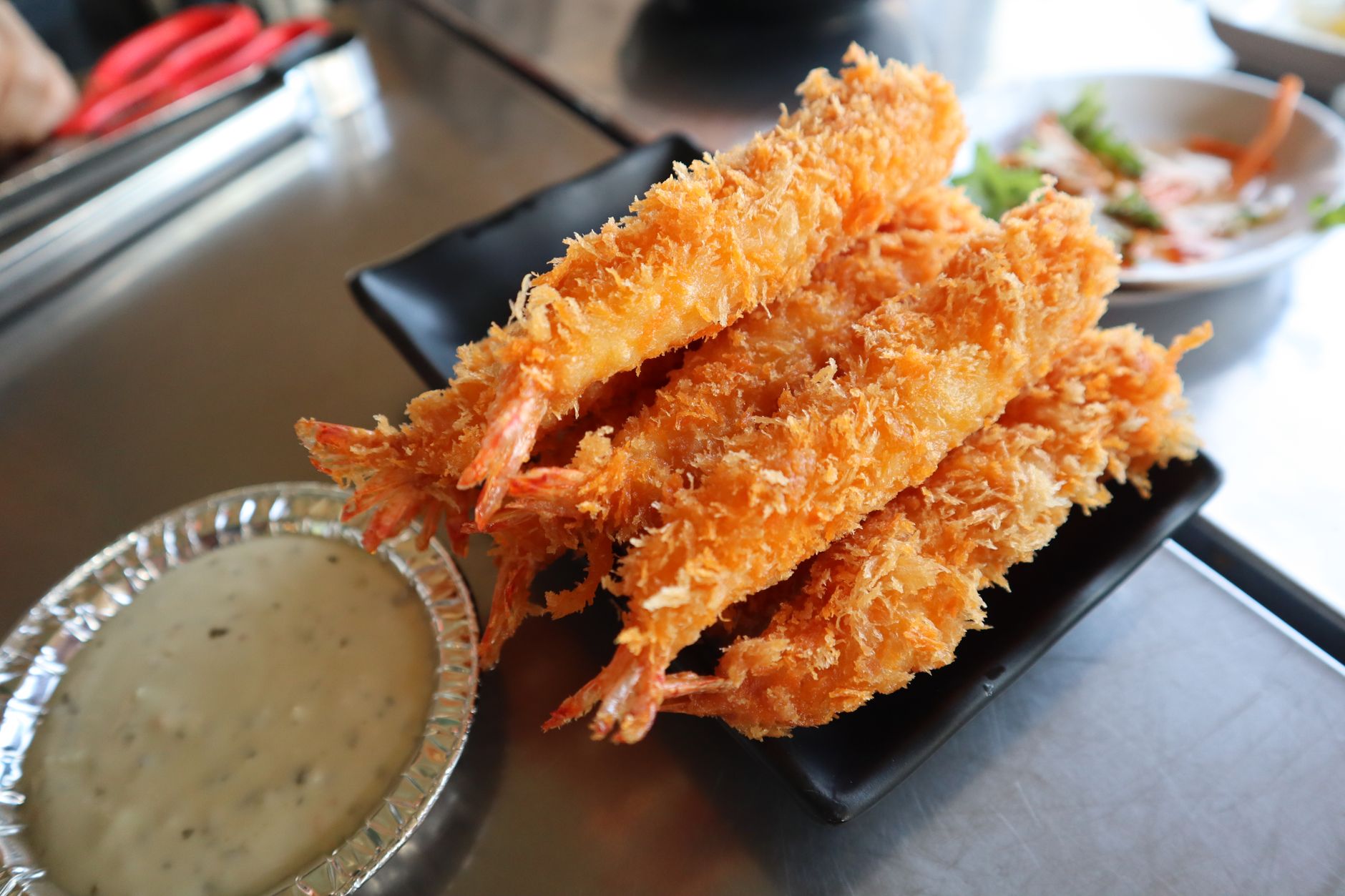
Panko breadcrumbs are a special type of breadcrumb originating from Japan, known for their unique texture and versatility in cooking. Made from white bread without crusts, they are coarsely ground and provide a light, airy, and crispy coating when used in a variety of dishes.
Whether you’re frying, baking, or topping a delicious casserole, panko breadcrumbs can elevate your meals and add a satisfying crunch. In this article, we’ll explore what panko breadcrumbs are, their taste and texture, and how they can be used in the kitchen.
What Are Panko Breadcrumbs?
Panko breadcrumbs are a type of breadcrumb that differs significantly from its Western counterparts. Originating in Japan, panko is made from bread that is baked using an electric current, resulting in a light, airy, and crispy product. The bread used for panko is often a standard white bread, which is then ground into larger flakes, providing a distinct texture.
Unlike traditional breadcrumbs, which can be finely ground and dense, panko flakes maintain larger air pockets, allowing them to absorb less grease during frying. This results in a crispy, golden-brown coating that is perfect for various cooking methods.
Taste and Texture of Panko Breadcrumbs
The taste of panko breadcrumbs is mild, making them an excellent canvas for absorbing flavors from seasonings or marinades. Although they do not carry a strong flavor on their own, their textural quality stands out. When cooked, panko breadcrumbs become crunchy, light, and have a satisfying snap, making them ideal for toppings or coatings.
This unique texture allows panko to create a contrast with tender or softer fillings in dishes like meatballs, seafood cakes, or baked casseroles. They provide a delightful sensory experience, adding not just flavor but depth to each bite.
How to Choose Panko Breadcrumbs
When selecting panko breadcrumbs, consider the following aspects to ensure you pick the right product:
- Texture: Look for panko that is coarse and flaky rather than fine and powdery. Authentic panko should have larger flakes.
- Brand: Choose reputable brands known for quality products, as they maintain consistent texture and flavor.
- Ingredients: Check the ingredient list. Authentic panko is typically made from just flour, water, and yeast, without the addition of preservatives or artificial flavors.
- Freshness: Look for packaging that is sealed properly to prevent staleness. Fresher panko will yield better results in your cooking.
Common Uses for Panko Breadcrumbs in the Kitchen
Panko breadcrumbs are exceedingly versatile and can be used in a variety of culinary applications. Here are some popular uses:
Frying
Panko breadcrumbs are most commonly used as a coating for fried foods. Their unique texture allows for maximum crispiness while remaining light on the palate. Some popular fried dishes that utilize panko include:
- Chicken katsu
- Fish and chips
- Vegetable tempura
Baking
In baking, panko breadcrumbs can serve as a topping for casseroles or baked pastas, adding a crunchy garnish that complements softer textures underneath. Consider using panko in:
- Macaroni and cheese
- Vegetable gratins
- Stuffed bell peppers
Binding Agent in Meat and Veggie Dishes
Panko can work as a binding agent in meatballs or veggie burgers, providing structure and texture. The moisture retained by the larger panko flakes helps keep your dishes from becoming too dense. Use panko in:
- Homemade meatballs
- Veggie patties
- Stuffed zucchini
Garnishing
Panko can serve as an excellent garnish for soups or salads, offering an unexpected crunch. Sprinkle over creamy soups or on top of salads to enhance the overall texture of your dishes. They’re perfect for:
- Creamy chowders
- Fresh green salads
- Casseroles before baking
How to Use Panko Breadcrumbs
Utilizing panko breadcrumbs in your cooking can be a breeze, but there are some techniques to improve your results:
Frying with Panko
- Prepare your proteins (e.g., chicken, fish) by cutting them into suitable sizes.
- Set up a breading station with three bowls: one for flour, one for beaten eggs, and one for panko breadcrumbs.
- Dredge each piece of protein in flour to create a dry surface, dip it in the egg to help the panko stick, and then coat it thoroughly with panko breadcrumbs.
- Heat oil in a pan to 350°F and fry until each side is golden brown.
Baking with Panko
- Preheat your oven according to your recipe.
- Top your dish liberally with panko breadcrumbs before baking.
- For added flavor, consider mixing the panko with melted butter, olive oil, or herbs before applying it as a topping.
- Bake until golden brown, which usually takes about 15-25 minutes, depending on the dish.
Practical Substitutions for Panko Breadcrumbs
If you find yourself out of panko breadcrumbs or need an alternative due to dietary restrictions, consider the following substitutions:
- Regular Breadcrumbs: While they will not provide the same texture, regular breadcrumbs can be used in a pinch. You may need to adjust cooking times.
- Crushed Cornflakes: For a similar crunch, crush cornflakes into flakes that mimic panko. This option can also add a distinct flavor.
- Crushed Saltines: These can be used similarly in binding applications, but keep in mind they have a savory flavor that may alter the dish slightly.
- Almond Meal or Ground Nuts: For gluten-free alternatives, consider using almond meal or finely ground nuts, noting they may give a different flavor profile.
Common Mistakes When Cooking with Panko Breadcrumbs
Using panko can be straightforward, but here are some common mistakes to avoid:
- Skipping seasoning: While panko has a mild flavor, it benefits from seasoning. Don’t forget to season the panko or the food before coating.
- Overcrowding the pan: When frying, avoid overcrowding the pan to maintain the oil’s temperature for crispiness.
- Not pre-toasting: For an extra crunch in baked dishes, consider toasting the panko lightly in a skillet before adding it to your dish.
- Ignoring oil temperature: If frying, monitor the oil temperature closely. Too low can yield soggy results, while too high may burn the panko.
Storage of Panko Breadcrumbs
To ensure that your panko breadcrumbs stay fresh and maintain their quality, follow these storage tips:
- Keep sealed: Store panko breadcrumbs in an airtight container to prevent staleness and maintain their crunchiness.
- Cool, dry place: Keep them in a cool, dry location. Avoid exposure to humidity and heat, which can lead to spoilage.
- Refrigeration: For long-term storage, consider refrigerating panko breadcrumbs. Most panko will stay fresh for several months when stored properly.
Exploring Varieties of Panko Breadcrumbs
While traditional panko is made from white bread, there are several varieties available that cater to specific culinary needs:
- Whole Wheat Panko: Made from whole wheat bread, this variety provides a nuttier flavor and a slightly denser texture.
- Gluten-Free Panko: Available for those with gluten sensitivities, this type is often made from rice flour or gluten-free bread.
- Seasoned Panko: Pre-seasoned varieties are available that incorporate spices or herbs, offering a more flavorful option straight out of the package.
In Summary
Panko breadcrumbs are a versatile ingredient that can enhance the flavor and texture of various dishes, from fried foods to baked casseroles. Their unique characteristics make them a preferred choice for chefs and home cooks alike. When using panko, try to appreciate its lightness and crunch, and don’t hesitate to explore the different varieties available.
Incorporating panko into your cooking can add a delightful twist to your favorite recipes, so why not give it a try? Delve into the crunch of panko, and elevate your cooking experience.
For more culinary inspiration and cooking tips, feel free to explore related subjects that might intrigue you.