
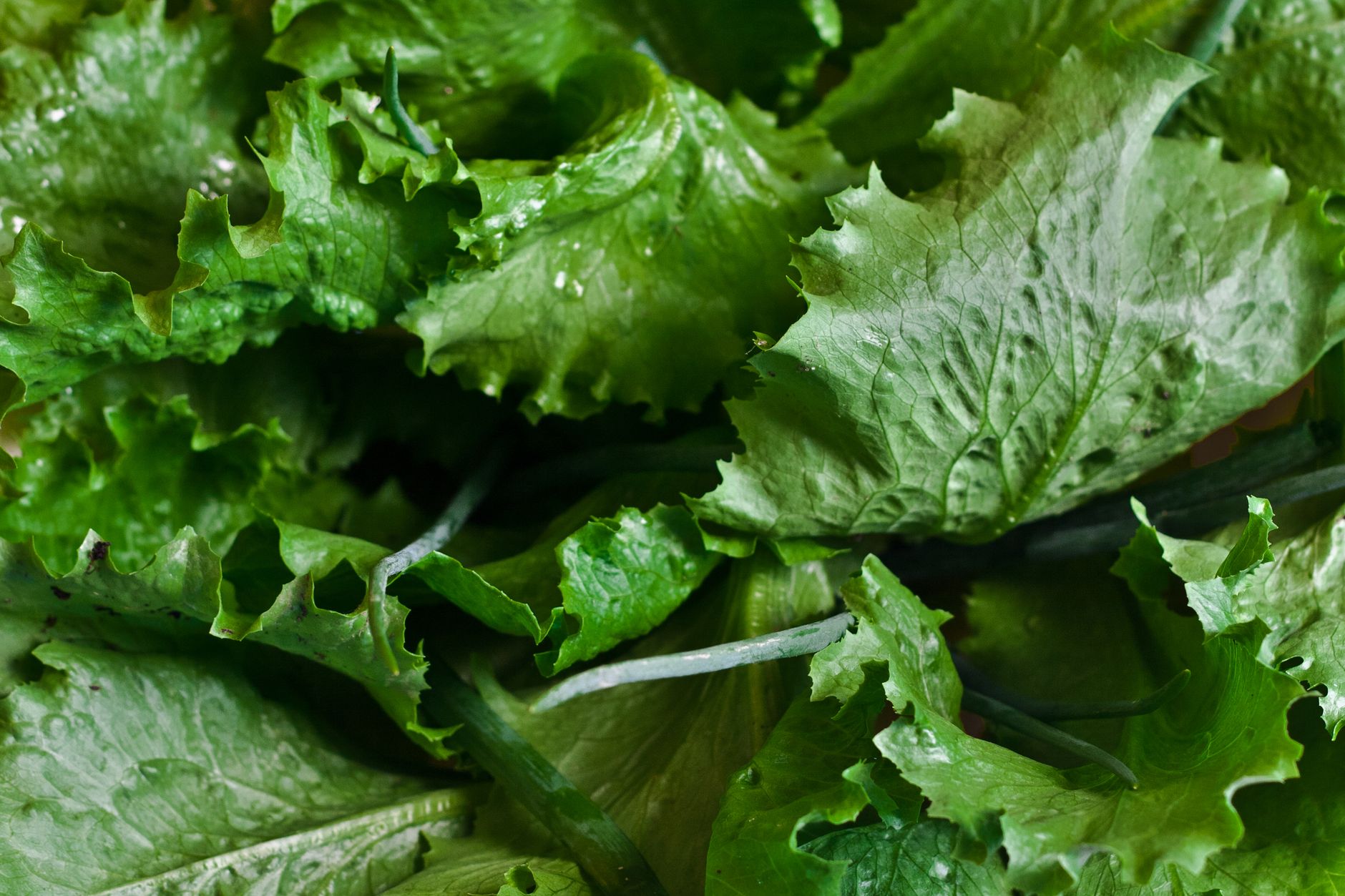
The question “Is lettuce cabbage?” often arises in discussions about these two popular leafy vegetables. While they may share some similarities in appearance and culinary uses, lettuce and cabbage are distinct members of the Brassica family and possess unique characteristics. In this article, we will explore the differences, uses, nutritional benefits, and serving ideas for both lettuce and cabbage, helping you understand how to incorporate them into your meals.
Understanding the key differences and similarities between lettuce and cabbage is important for home cooks looking to diversify their meals. By the end of this article, you’ll be well-equipped with knowledge about these greens, including how to select, store, and prepare them, as well as delicious serving ideas that will elevate your culinary creations.
Is Lettuce Cabbage?
No, lettuce is not cabbage, though they both belong to the Brassicaceae family. Lettuce (Lactuca sativa) is a leafy green vegetable primarily grown for its leaves, while cabbage (Brassica oleracea var. capitata) forms a dense, round head of leaves. While they share a botanical family, their flavors, textures, and uses in the kitchen differ significantly.
Understanding Lettuce
Lettuce is a tender leafy green that is often used in salads, sandwiches, and wraps. It comes in various varieties, each with its own flavor profile, texture, and appearance.
Types of Lettuce
- Iceberg Lettuce: Known for its crunchy texture and mild flavor, iceberg is commonly used in salads and on sandwiches.
- Romaine Lettuce: With its long, sturdy leaves, romaine is often the base for Caesar salads and has a slightly bitter taste.
- Butterhead Lettuce: These soft, tender leaves have a subtle, sweet flavor and are often used in gourmet salads.
- Leaf Lettuce: This loose-leaf variety comes in red and green colors, providing great texture and flavor to salads.
Nutritional Benefits of Lettuce
Lettuce is low in calories and high in water content, making it a refreshing addition to any dish. It provides vitamins A and K, as well as folate. However, its nutritional density is lower compared to other leafy greens.
Using Lettuce in Cooking
Lettuce is versatile and can be enjoyed raw or cooked, though it is most commonly used in its fresh form. Here are some creative ways to incorporate lettuce into your meals:
Fresh Salads
Lettuce is a staple in salads. Combine different varieties for texture and flavor. For a simple vinaigrette, mix olive oil, vinegar, salt, and pepper.
Wraps and Sandwiches
Use large lettuce leaves as a low-carb wrap alternative. Fill them with proteins, vegetables, and sauces for a healthy, refreshing meal.
Sautéed or Stir-Fried
While less common, lettuce can be sautéed quickly with garlic and olive oil or included in stir-fries. Just be mindful not to overcook, as it can become mushy.
Understanding Cabbage
Cabbage is a hardy vegetable that forms a tightly packed head of leaves. It’s often used in cooking due to its robust texture and ability to hold flavors well.
Types of Cabbage
- Green Cabbage: The most common variety, it has a slightly peppery flavor and is great for salads, slaws, and soups.
- Red Cabbage: This variety is vibrant and slightly sweeter than green cabbage. It’s often used for pickling or in salads for color.
- Napa Cabbage: Known for its elongated shape and light green color, napa is often used in Asian dishes like stir-fries and kimchi.
- Savoy Cabbage: With its crinkled leaves and sweet flavor, savoy cabbage is excellent for stuffing or cooking.
Nutritional Benefits of Cabbage
Cabbage is high in fiber, vitamins C and K, and is a good source of antioxidants. It’s low in calories and can contribute to a healthy diet.
Using Cabbage in Cooking
Cabbage is incredibly versatile and can be consumed raw or cooked. Consider the following uses:
Coleslaw and Salads
Shredded cabbage is a key ingredient in coleslaw. Combine it with carrots and a tangy dressing for a crunchy side dish.
Stir-Fries
Napa cabbage or green cabbage can be quickly stir-fried with other vegetables and proteins for a nutritious meal.
Fermented Dishes
Cabbage is commonly used to make sauerkraut and kimchi, which are rich in probiotics and add flavor to many dishes.
Storage Tips for Lettuce and Cabbage
To maintain freshness, proper storage is essential.
Storing Lettuce
- Keep whole heads of lettuce unwashed in the refrigerator in a produce drawer.
- Wrap loose leaves in a damp paper towel and place them in a plastic bag, leaving it slightly open to allow airflow.
Storing Cabbage
- Store whole cabbages in the refrigerator, preferably in a vegetable drawer.
- Once cut, wrap cabbage tightly in plastic wrap and use within a few days for optimal freshness.
Common Mistakes When Using Lettuce and Cabbage
Even experienced cooks may falter in preparing and using lettuce and cabbage. Here are common mistakes to avoid:
For Lettuce
- Not Washing Properly: Always wash lettuce thoroughly to remove dirt and pesticide residues. Spin dry in a salad spinner to avoid sogginess.
- Using Old Leaves: Discard wilted or brown leaves, as they can negatively affect the flavor of the dish.
For Cabbage
- Overcooking: Cabbage should be cooked briefly to retain its texture and nutrients. Overcooking can lead to a mushy consistency.
- Ignoring the Core: The core of the cabbage may be tough. Remove it before cooking or using in salads.
Delicious Serving Ideas
Now that we’ve covered the basics, let’s explore more creative ways to serve these leafy greens.
Salads and Slaws
- Combine shredded cabbage, carrots, and apples for a sweet and tangy slaw.
- Make a chic salad with mixed lettuces, walnuts, cranberries, and goat cheese, drizzled with balsamic vinaigrette.
Stir-Fried Dishes
- Use napa cabbage in a stir-fry with tofu, bell peppers, and a soy sauce-based dressing.
- Combine shredded green cabbage with sliced beef or chicken and a ginger soy sauce for a quick weeknight dinner.
Wraps and Toppings
- Use large romaine leaves to create fresh wraps filled with grilled chicken, avocado, and salsa.
- Top tacos with shredded lettuce or cabbage for an added crunch and flavor.
Practical Substitutions
In some recipes, lettuce and cabbage can be substituted for one another, depending on the desired outcome. Here are some guidelines:
Lettuce to Cabbage
- When substituting cabbage for lettuce in salads, use raw, finely shredded cabbage for a satisfying crunch.
- In cooked dishes, both can work, but cabbage will add a thicker texture compared to the delicate nature of most lettuce.
Cabbage to Lettuce
- When you need a lighter option, substitute finely shredded lettuce in dishes where cabbage is called for, such as in coleslaw or salads.
- Keep in mind that lettuce has a more delicate flavor and will not add the same depth as cabbage.
Comparative Flavor Profiles
The flavor and textural differences between lettuce and cabbage can dramatically impact a dish. Here’s a closer look:
Flavor and Texture
- Lettuce generally has a mild, crisp flavor that can vary slightly between varieties.
- Cabbage provides a more pronounced flavor, which can be slightly peppery or sweet, depending on the type.
Cooking Applications
Lettuce is best suited for raw preparations, while cabbage can withstand longer cooking times, making it ideal for stir-fries, soups, and braises.
Conclusion
Lettuce and cabbage may not be the same, but both play significant roles in our cooking and culinary traditions. Understanding their unique characteristics equips you to make better choices in your cooking and meal planning. From fresh salads to hearty stir-fries, these leafy greens are filled with potential!
Explore related recipes or cooking tips for delicious meals featuring these versatile ingredients, including a Napa cabbage recipe and sautéed cabbage recipe.