
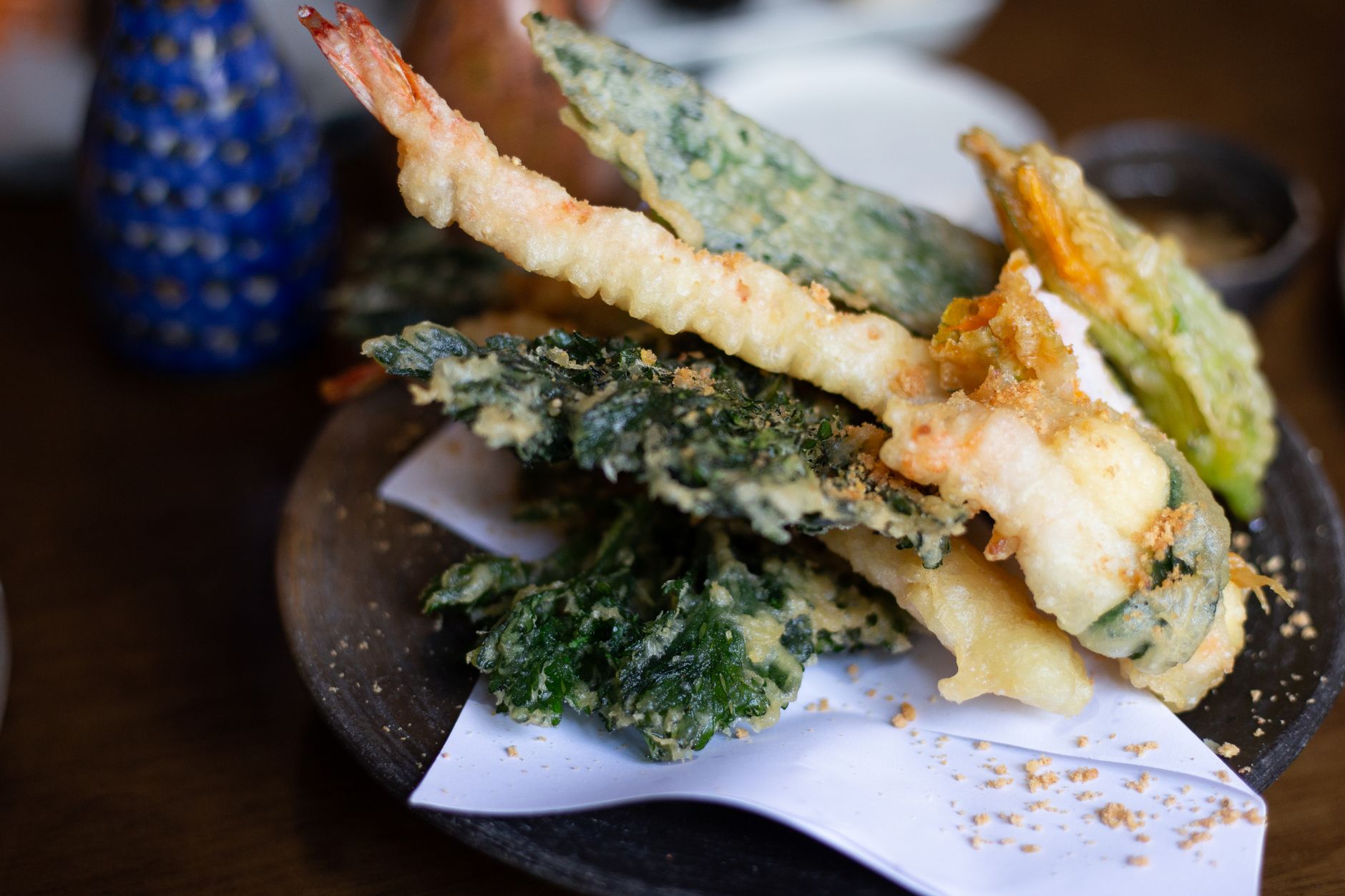
Tempura is a popular Japanese dish consisting of various ingredients, typically seafood and vegetables, that are lightly battered and deep-fried to a crisp, golden perfection. Its delightful crunch and light texture make it a beloved favorite, not just in Japan, but around the globe.
But what does tempura really mean, and how did it come to be such an integral part of Japanese cuisine? In this article, we will explore the origins, food history, and traditions surrounding tempura, as well as highlight its ingredients, preparation methods, and variations.
What Does Tempura Mean?
The word “tempura” is said to derive from the Latin word “tempora,” which refers to the time of Lent when Christians would consume battered and fried foods. This culinary practice is believed to have been introduced to Japan by Portuguese missionaries and traders in the 16th century.
Tempura, as defined in Japanese culture, refers to the cooking method of coating food in a light batter made primarily from flour and water, then frying it in hot oil. The result is a crisp, airy coating that allows the natural flavors of the ingredients to shine through. Though it is often believed to be a traditional Japanese dish, its influences highlight the fusion and adaptation inherent in culinary practices.
Origins of Tempura
The journey of tempura begins in the 1500s when Portuguese missionaries brought the method of frying food with a batter to Japan. This coincided with the introduction of new ingredients, such as potatoes and eggplants, which were used in various Portuguese dishes.
Initially, tempura was prepared as a food during Lent when certain taboos against consuming meat prompted innovative cooking techniques. The Japanese adapted this fried food technique to suit their tastes, leading to the creation of the tempura we know today.
By the Edo period (1603-1868), tempura became increasingly popular. Street vendors would sell tempura at festivals or markets, providing a quick and convenient snack for locals. This helped popularize the dish throughout Japan, transitioning from a religious culinary indulgence to a mainstream beloved dish.
The Food History of Tempura
As tempura gained traction in Japanese society, various regional adaptations emerged, utilizing locally available ingredients. These adaptations further diversified the dish itself. For instance, in Okinawa, tempura might use a different type of batter or incorporate unique local vegetables.
Throughout the years, tempura has evolved from the street food of Japan to a prominent offering in both casual eateries and upscale establishments. Its frying technique is often considered an art, requiring precision and skill to achieve that perfect light, crunchy texture.
Traditional Ingredients Used in Tempura
Tempura can be made with an array of ingredients, but some traditional choices include:
- Shrimp or prawns
- White fish such as cod or haddock
- Squid
- Vegetables like sweet potato, zucchini, and bell peppers
- Mushrooms, such as shiitake or enoki
- Broccoli or asparagus
These ingredients can vary by season and region, allowing chefs to select the freshest local produce for their tempura preparations. Seasonal vegetables are particularly prized, as they enhance the overall flavor and aesthetics of the dish.
How to Prepare Tempura: The Technique
The process of creating tempura is deceptively simple but requires attention to detail. The technique is all about achieving a light and crispy texture while ensuring that the natural flavors of the ingredients remain intact.
Essential Equipment for Making Tempura
To prepare authentic tempura at home, you will need the following equipment:
- A deep, heavy pot or a deep fryer
- A thermometer to measure oil temperature
- A slotted spoon or spider tool to retrieve fried items
- Paper towels for draining excess oil
- Baking sheet or dish for serving
Creating the Tempura Batter
The key to making tempura is in the batter, which should be light and airy. Here’s a simple recipe for making the batter:
- 1 cup all-purpose flour
- 1 large egg
- 1 cup ice-cold water (adjust as needed)
- Salt to taste
To make the batter:
- In a mixing bowl, lightly beat the egg.
- Add the ice-cold water to the egg and mix.
- Gradually add the flour while gently mixing with chopsticks or a fork until just combined. It’s okay if there are small lumps; overmixing can result in a denser batter.
Frying the Tempura
Frying tempura requires monitoring the oil temperature closely to ensure that it maintains an ideal range of 340°F to 360°F (170°C to 182°C). Follow these steps for frying:
- Heat your oil in a deep fryer or heavy pot to the appropriate temperature.
- Once the oil is ready, dip your chosen ingredients into the tempura batter, allowing excess batter to drip off.
- Carefully lower the battered ingredient into the hot oil, avoiding overcrowding. Fry in small batches for best results.
- Fry until golden brown and crispy, usually 2 to 4 minutes depending on the ingredient.
- Using a slotted spoon, remove the tempura from the oil and place it on paper towels to drain excess oil.
- Serve immediately while hot with a dipping sauce of your choice.
Common Mistakes and Troubleshooting Tempura
While making tempura might seem straightforward, novice cooks can easily make common mistakes. Here are some troubleshooting tips:
- **Oil Temperature**: If the oil is too cool, tempura will absorb excess oil and become greasy. If it’s too hot, the batter will burn before the ingredients are cooked. A thermometer is key for maintaining the appropriate temperature.
- **Batter Consistency**: Overmixing the batter can lead to a dense, heavy coating instead of a light, flaky texture. Aim for a lumpy blend with minimal gluten development.
- **Overcrowding**: Frying too many pieces at once can lower the oil temperature drastically, resulting in soggy tempura. Fry in small batches to maintain the ideal temperature.
- **Fresh Ingredients**: Always use the freshest seafood and vegetables available. Aging or rubbery ingredients can ruin the experience.
Serving Suggestions and Variations
Tempura is typically served hot and crispy, with a few accompaniments to enhance its flavors:
- **Tentsuyu**: A traditional dipping sauce made from dashi broth, soy sauce, and mirin.
- **Grated Daikon Radish**: Often served alongside tempura, it provides a refreshing contrast.
- **Rice**: Tempura can be served alongside steamed rice or included as a topping in a donburi-style meal.
- **Noodles**: Cold or hot soba and udon are common pairings.
While traditional tempura focuses on seafood and vegetables, creative chefs have experimented with various other ingredients, including:
- Cheese sticks, which melt beautifully inside
- Fruits like bananas or apples for a sweet twist
- Meat strips for a heartier version
Conclusion and Related Reading
The history of tempura illustrates how culinary practices evolve and adapt, bringing together elements from different cultures to create something unique. The dish’s simplicity in preparation belies its delicious complexity, allowing for endless adaptations to suit personal preferences.
Ready to try your hand at making tempura at home? Begin by preparing your ingredients and consider serving it with a flavorful dipping sauce. Explore further with additional insights from our guides on making tempura sauce and hibachi sauce for the perfect accompaniment to your dish.
Discover more with our tempura sauce recipe and hibachi sauce recipe.