
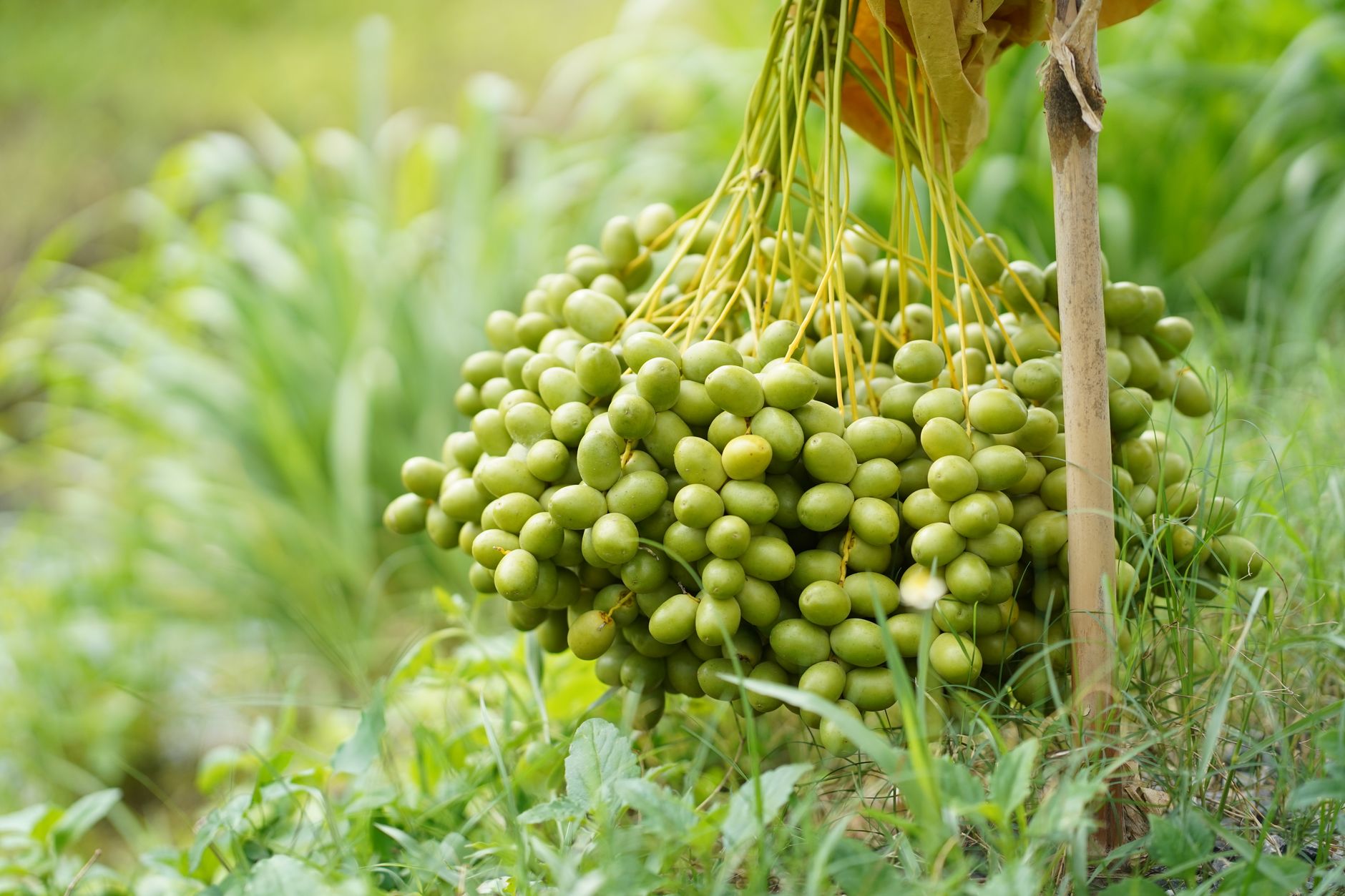
Dates are not only a popular ingredient in many dishes but also a unique fruit with a fascinating growth cycle. Understanding how dates are grown provides insight into their quality and culinary applications. From the warm climates where they thrive to the harvesting techniques, this article explores everything about date cultivation.
In addition to their growth process, we will also touch on the nutritional benefits, culinary uses, and serving ideas that can elevate your meals when using dates. Whether you are a seasoned cook or a curious foodie, this comprehensive guide will enhance your appreciation of this extraordinary fruit.
How Are Dates Grown?
Dates grow on the date palm tree (Phoenix dactylifera), which can reach up to 75 feet in height and live for over 100 years. These palms thrive in warm, arid climates such as those found in the Middle East, North Africa, and parts of California. The growth of dates involves various stages, from planting the palm to the final harvest.
1. Selecting the Right Variety
There are numerous varieties of dates, but some of the most widely cultivated include:
- Medjool: Known for their large size and rich flavor.
- Deglet Noor: Often referred to as the “queen of dates,” these are semi-dry and have a delicate sweetness.
- Barhi: Soft and sweet, often eaten fresh.
- Khadrawy: Moist and rich, excellent for snacking.
Farmers choose varieties based on market demand, climate suitability, and personal preference. Each variety has unique characteristics that impact flavor, sweetness, and texture.
2. Climate and Soil Requirements
Date palms prefer hot, dry climates where temperatures range between 100°F to 120°F during the growing season. They thrive best in sandy or loamy soils that are well-drained, as waterlogged roots can lead to disease.
Farmers often perform soil tests to analyze pH levels and nutrient content, which helps in amending the soil to create an optimal growing environment. Proper irrigation is crucial, as date palms require regular watering, especially during dry spells.
3. Planting Date Palms
Date palms can be planted from seed or as young offshoots. Planting from offshoots is common because they are more likely to bear fruit faster. Here’s how it’s typically done:
- Preparing the Site: Clear the area of weeds, rocks, and debris. Create holes large enough to accommodate the roots.
- Planting: Place the offshoot in the hole, ensuring that the roots spread out. Cover with soil and water thoroughly.
- Spacing: Date palms need adequate space; typically, they are planted 20 to 30 feet apart to allow for proper growth and air circulation.
4. Growing Stages
The growth process can take several years before the date palms start producing fruit. Here are the key stages:
- Juvenile Stage: Lasts about 4 to 6 years. The palm develops roots and leaves but does not produce fruit.
- Flowering: Around year 5 to 8, the tree will produce flower spikes. Male and female trees are needed for pollination.
- Fruit Development: After successful pollination, small green fruits begin to develop. This stage lasts several months as the fruit matures.
- Harvesting: Dates are typically harvested from late summer to early fall, depending on the variety.
5. Pollination Techniques
Date palms are typically dioecious, meaning they have separate male and female plants. For successful fruit production, pollen from male flowers must fertilize female flowers. However, many farmers use techniques like manual pollination to ensure better yields.
Here’s how manual pollination works:
- Collect pollen from male flowers.
- Use a soft brush or tool to transfer the pollen to the female flowers.
- This process increases fruit set and improves the quality of the dates.
6. Watering and Fertilization
Proper irrigation is critical for successful date cultivation. Farmers use several methods, including drip irrigation and flood irrigation. During the growing season, palms need consistent moisture, especially as the fruits begin to develop.
Fertilization is also vital. Farmers apply fertilizers containing nitrogen, phosphorus, potassium, and micronutrients based on soil tests to promote healthy growth. Timing of application is crucial, as farmers need to make sure the nutrients are available during critical growth periods.
7. Harvesting Dates
Harvesting dates is labor-intensive, usually taking place between September and November. The method varies depending on the variety:
- Hand-Picking: For varieties like Medjool, workers climb the trees and hand-pick ripe dates.
- Mechanical Harvesting: For larger operations, tractors equipped with specially designed harvesters may be used to shake the dates loose.
After harvesting, dates may be cleaned, sorted, and packed for distribution.
8. Post-Harvest Handling and Storage
Once harvested, proper handling and storage of dates are crucial to maintain their quality. Here are some essential practices:
- Cleaning: Remove any debris and wash the dates gently.
- Drying: Depending on the variety, some dates may need drying to enhance their shelf life.
- Packaging: Use breathable materials that allow moisture escape while keeping pests out.
- Storage Conditions: Store in cool, dry places. Refrigeration can extend shelf life, while freezing is recommended for long-term storage.
Nutritional Benefits of Dates
Dates are not only delicious but also packed with nutrients. They are high in fiber, potassium, magnesium, and antioxidants, making them a great choice for a healthy diet. Some benefits include:
- Promoting digestive health due to their high fiber content.
- Providing a quick energy boost thanks to natural sugars like glucose, fructose, and sucrose.
- Containing various antioxidants that help protect the body from free radicals.
Incorporating dates into your diet is easy, as they can be enjoyed in various forms, from whole fruits to pureed forms in recipes.
Culinary Uses of Dates
Dates are incredibly versatile, making them a popular ingredient in various dishes across multiple cuisines. Here are some common ways to use dates in cooking:
1. Snacking
Many people enjoy dates as a healthy snack on their own, particularly varieties like Medjool that are soft and sweet. They can be stuffed with nuts or cheese for an indulgent treat.
2. Baking
Dates can add natural sweetness to baked goods. They work well in:
- Variety of cakes, such as date cake.
- Cookies, particularly those with oats or nuts.
- Breads, particularly sweet breads where dates can complement other flavors.
When baking, it’s common to chop or puree dates to incorporate them evenly into batter. You can also use date syrup as a substitute for sugar or sweeteners.
3. Smoothies and Drinks
Blending dates into smoothies provides a natural sweetness and creamy texture. They can also be used to sweeten drinks like:
- Milkshakes
- Detox juices
- Protein shakes
4. Salads and Entrees
Chopped dates can enhance salads, providing sweetness to balance savory flavors. They work famously in salads that include:
- Greens with nuts and cheese (e.g., arugula salad with feta and pistachios).
- Grain salads, such as farro or quinoa, combining various textures.
They also complement roasted meats, especially when paired with spices like cinnamon or chili in Middle Eastern dishes.
Serving Ideas for Dates
Here are some creative ways to serve dates that can impress your guests or make a memorable meal.
1. Stuffed Dates
Fill dates with a mix of creamy cheeses or nut butter, then wrap them in prosciutto or bacon, and bake until crispy. This savory-sweet combination makes an excellent appetizer for gatherings.
2. Date and Nut Energy Bites
Blend dates with nuts and oats to form energy bites. Chill and serve for a healthy on-the-go snack.
3. Date Syrup
Make homemade date syrup as a sweetener for pancakes, waffles, or yogurt. Simply blend dates with water until smooth.
4. Salads with Date Dressing
Use pureed dates as a base for salad dressings. Combine with olive oil, lemon juice, and mustard for a sweet-spicy vinaigrette.
5. Date Smoothie Bowl
Blend dates into a smoothie bowl with bananas and nut milk, then top with granola, fruits, and seeds for added texture.
Common Mistakes to Avoid with Dates
While cooking and using dates can be straightforward, there are some common mistakes to watch out for:
- Confusing Varieties: Be aware of the differences in sweetness and texture between varieties. Use appropriate types based on the recipe.
- Overprocessing: When pureeing dates, avoid over-blending which can turn them into a paste instead of maintaining some texture.
- Under-Storage: If not stored properly, dates can dry out quickly or become sticky. Ensure they are kept in a cool, dry area.
Conclusion
Understanding how dates are grown adds depth to their culinary magic. From careful cultivation to using them in various dishes, these fruits offer a rich blend of flavor, versatility, and nutrition. Explore incorporating dates into your next meal or snack to appreciate their qualities even more.
If you’re intrigued by dates in cooking, check out our recipes for date cake and date syrup. Each recipe highlights different ways to enjoy this delightful fruit.