
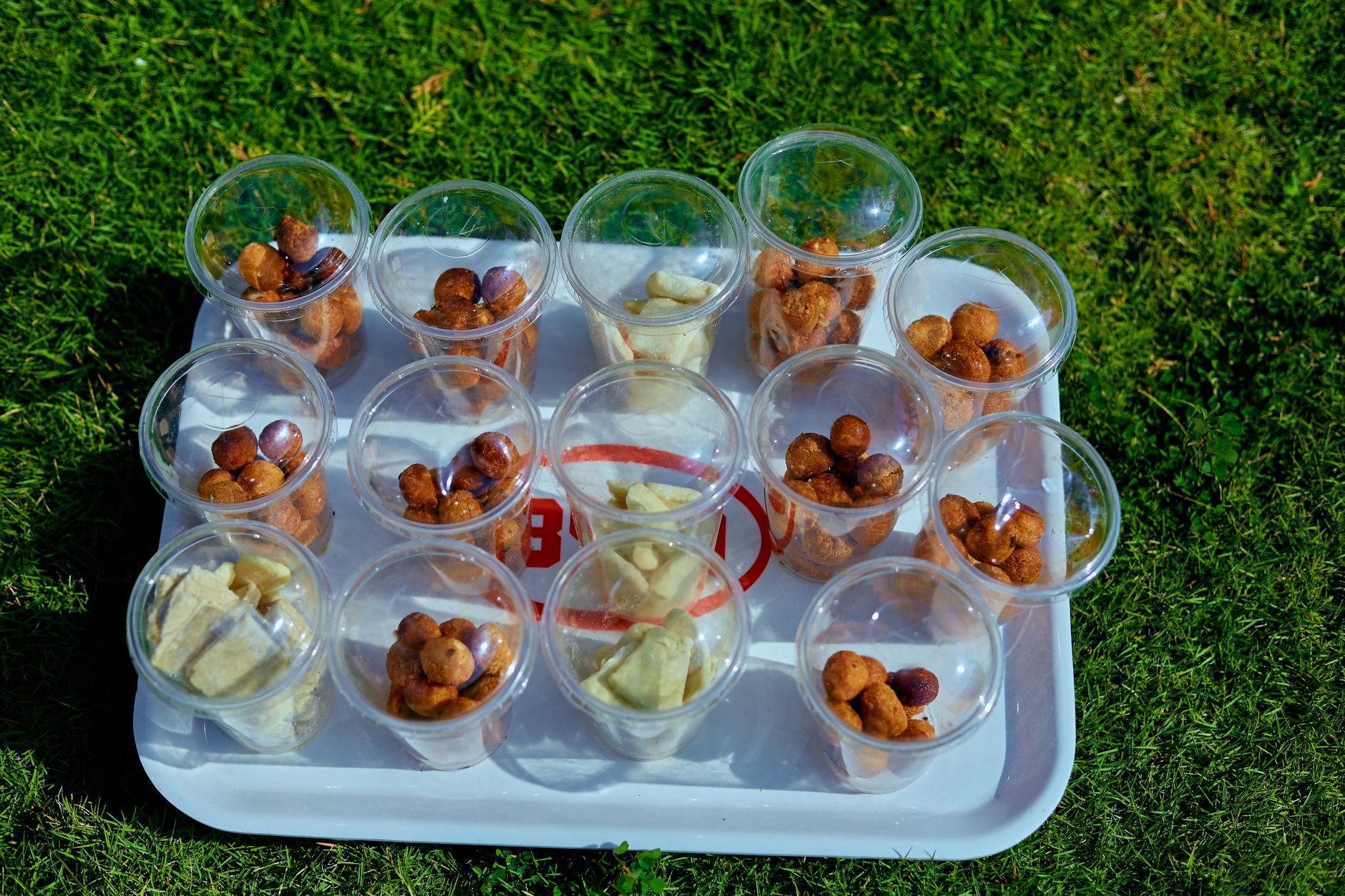
Burnt peanuts, with their distinctive smoky flavor and crunch, have garnered a unique place in the realm of snacks. Not only do they offer a distinctive taste, but they also lend a satisfying texture that many find irresistible. However, before diving into how to make them and the quantities they yield, it’s essential to understand the ins and outs of working with burnt peanuts.
This article will explore how much burnt peanuts yield, how to prepare them, cooking techniques, portioning, and more, ensuring you have all the essential information for perfecting this crunchy snack.
How Much Does Burnt Peanut Make?
The yield from burnt peanuts primarily depends on the quantity of raw peanuts used and the cooking method. Generally, 1 cup of raw peanuts translates to about 1 to 1.5 cups of burnt peanuts after cooking. There’s no real loss in volume; however, the texture and flavor improve significantly with the charring process.
Understanding Burnt Peanuts
Burnt peanuts are peanuts that have been cooked or roasted until their outer skins are charred, typically resulting in a deep, rich flavor and a satisfying crunch. The process enhances the natural nuttiness of the peanuts and brings out a complex smoky taste that many enjoy. Burnt peanuts are often available at fairs and events, adding to their unique appeal.
The Science Behind the Flavor
When peanuts are exposed to high heat, the Maillard reaction occurs, a chemical reaction between amino acids and reducing sugars that gives browned food its distinctive flavor. This is what gives burnt peanuts their poorly labeled “burnt” quality, as the intense heat creates a depth of flavor that is much appreciated.
Making Burnt Peanuts: Ingredients and Equipment
Understanding the preparation process is key to achieving perfectly burnt peanuts. Below is a list of ingredients and necessary equipment for making this delightful treat.
Ingredients
- 1 cup of raw peanuts (with skins on for the best flavor)
- 1 tablespoon of oil (optional, for added flavor and crispy texture)
- Salt, to taste
Essential Equipment
- Oven or a stovetop skillet
- Wooden spoon or spatula for stirring
- Baking sheet (if using an oven)
- Colander for cooling
Cooking Methods for Burnt Peanuts
There are two primary methods for making burnt peanuts: using the oven or a stovetop skillet. Both techniques yield similar results but require different attention levels during cooking.
Oven Method
- Preheat your oven to 350°F (175°C).
- Spread the raw peanuts evenly on a baking sheet.
- If using oil, drizzle it over the peanuts and sprinkle with salt. Toss to coat.
- Place the baking sheet in the oven and roast for about 15-20 minutes. Stir the peanuts halfway through to ensure even cooking.
- Keep a close eye on the peanuts, as they can quickly go from perfect to burnt. Look for a deep golden color.
- Once roasted to your liking, remove from the oven and let them cool completely in a colander.
Stovetop Method
- Heat a skillet over medium heat.
- Add the raw peanuts to the hot skillet, stirring frequently.
- If using oil, add it to the pan now, stirring to coat the peanuts.
- Continue stirring for about 8 to 10 minutes, or until they are nicely toasted and browned.
- Watch them closely to avoid burning. Turn down the heat if needed.
- Remove from the heat and transfer to a colander to cool.
Portioning and Serving Burnt Peanuts
When it comes to serving, it’s essential to understand portion sizes. On average, a serving size of burnt peanuts is about 1 ounce, which equates to roughly 1/4 cup. Depending on the occasion, you can either opt for small servings or larger bowls for sharing.
Creative Serving Ideas
- As a topping on salads for added crunch and flavor.
- In trail mixes with dried fruits and chocolate pieces.
- As a snack served alongside beer or cocktails.
- Chopped and sprinkled over a dessert, such as ice cream or pudding.
Storage and Shelf Life
Proper storage is crucial in maintaining the flavor and texture of your burnt peanuts. If stored correctly, burnt peanuts can last for about 2 to 3 weeks.
Storage Guidelines
- Once completely cooled, store burnt peanuts in an airtight container.
- Keep them in a cool, dry place to preserve their crunchiness.
- Avoid exposure to direct sunlight which can affect the quality.
Common Mistakes When Making Burnt Peanuts
Even small oversights can lead to qualities less than desirable. Here are some common pitfalls and how to avoid them.
- **Not preheating your oven or skillet** – This can lead to uneven cooking.
- **Ignoring stirring** – Regular stirring ensures even cooking and prevents burning in spots.
- **Using too high a heat** – Peanuts can burn very quickly; moderate heat is best.
- **Not using timers** – This can lead to guesswork and accidental burning.
Substitutions and Variations
If you wish to experiment, here are some practical substitutions and variations to try with your burnt peanuts:
Flavor Enhancements
- Adding spices like paprika, chili powder, or cumin for a flavor kick.
- Using different oils like peanut oil or flavored oils can impart extra taste.
- Mixing in a small amount of sugar for a sweet version. Use sparingly, as burnt peanuts already have a deep flavor.
Burnt Peanuts in Different Cuisines
Different cultures often feature burnt peanuts or similar snacks in their cuisine. Here’s how they are integrated around the globe:
Chinese Cuisine
In various Chinese street food vendors, you’ll find peanuts being charred and served as a popular snack alongside various dishes.
Southern United States
In the Southern U.S., burnt peanuts have a cultural significance and are often sought at fairs and festivals.
Indian Cuisine
In India, roasted peanuts with spices are a popular snack, often served with tea or as a component in various savory dishes.
How to Use Burnt Peanuts in Other Recipes
Incorporating burnt peanuts into your cooking can lead to exciting flavors and textures. Here are suggestions on how to use them:
- **In sauces** – Add them as a crunchy ingredient in peanut sauces for Asian dishes.
- **In desserts** – Utilize them to make ice cream toppings or as crunchy layers in cakes.
- **As a thickener** – Blend them into sauces to add richness and texture.
Beyond Just Peanuts: A Look at Other Nuts
If you’re intrigued by burnt peanuts, consider experimenting with other nuts as well. Here’s how they can relate:
Almonds
Burnt almonds possess a similar depth of flavor and can be enjoyed in the same ways as burnt peanuts.
Pistachios
These can also be toasted and enjoyed with similar seasoning for a heartier snack option.
Cashews
Burnt cashews have a rich, creamy flavor that can transform dishes, making them excellent for experimentation.
Conclusion
Burnt peanuts, while simple to make, offer a rich culinary experience with a variety of uses. Their unique flavor and texture can elevate dishes, serve as a perfect snack, or even be incorporated into various cuisines. By following the guidelines presented in this article, you can create perfectly burnt peanuts with optimal flavor and texture. Take some time to experiment with spices and other nuts for a delightful tasting adventure.
Explore more culinary delights such as boiled peanuts or try your hand at peanut butter fudge for a sweet twist!