
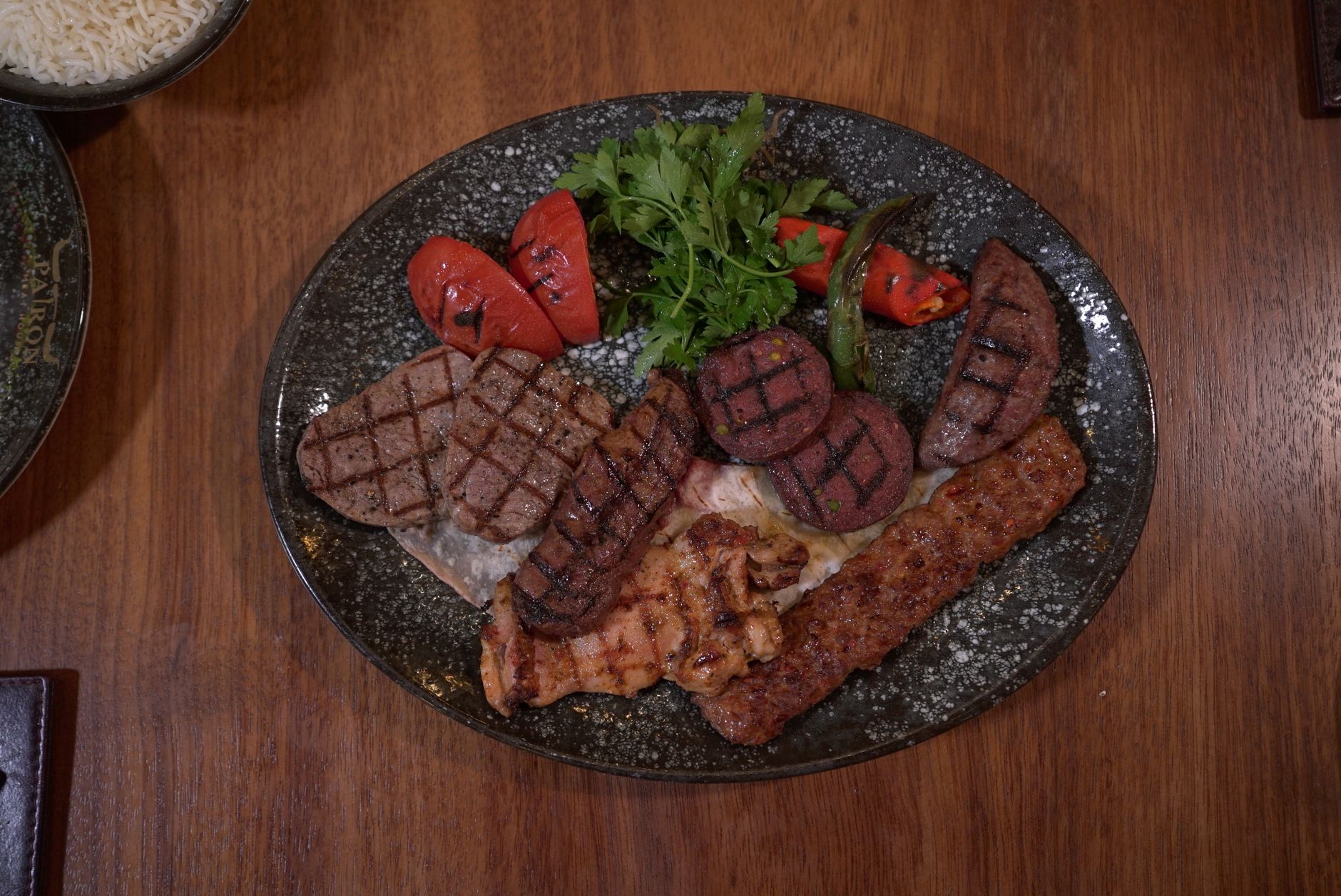
When considering what to include in a balanced diet, many people ponder the effects of meat consumption on health. Various studies and expert opinions circulate, leading to confusion about whether meat is beneficial or detrimental to our well-being. This article will explore the nutritional aspects of meat, recommended portions, health considerations, and how they fit into an overall healthy diet.
Understanding the role of meat in our meals requires looking at its nutritional content, potential health risks, and environmental concerns. With various types of meat available, the focus should be on informed choices that prioritize health and sustainability.
Is Meat Bad for You?
Whether meat is bad for you can depend on various factors, including the type of meat, portion sizes, and individual dietary needs. While some research links higher consumption of certain meats to health problems, moderate intake as part of a balanced diet can offer nutritional benefits.
Types of Meat and Their Nutritional Value
Meat comes in several varieties, each with its unique nutritional profile. Here, we classify them broadly into red meat, poultry, and seafood:
- Red Meat: This includes beef, lamb, and pork. Red meat is a rich source of essential nutrients such as protein, iron, zinc, and vitamin B12. However, consuming it in excess has been associated with an increased risk of certain diseases, including heart disease and cancer, particularly when processed.
- Poultry: Chicken and turkey are popular leaner options. They are generally lower in saturated fat than red meat and high in protein. Skinless poultry is often recommended for a healthier choice.
- Seafood: Fish and shellfish are excellent sources of omega-3 fatty acids, which are beneficial for heart health. Fatty fish, such as salmon and mackerel, are particularly nutrient-dense and considered healthier options.
Health Considerations When Eating Meat
While meat can be part of a healthy diet, several factors necessitate thoughtful consumption:
1. Portion Control
Understanding portion sizes is vital for maintaining a balanced diet. The USDA’s MyPlate guidelines recommend that protein foods, including meat, should make up about a quarter of your plate. This means:
- For red meat, aim for a portion size of 3-4 ounces cooked.
- Poultry portions should also align with this size, about 3-4 ounces.
- For seafood, consider 3-5 ounces, especially fatty fish.
2. Types of Meat Consumed
Choosing lean cuts of meat can help reduce saturated fat intake. Here are suggestions to make healthier choices:
- Opt for grass-fed beef over grain-fed to increase omega-3 content.
- Skinless poultry is better than fried or breaded options.
- Include fatty fish at least twice a week for a healthy alternative rich in omega-3s.
- Limit processed meats, such as sausages, bacon, and deli meats, which are often high in sodium and preservatives.
3. Risks of High Meat Consumption
Excessive consumption of certain types of meat, particularly red and processed meats, has been linked to health risks:
- Heart Disease: High saturated fat and cholesterol in red meat may increase cardiovascular risk.
- Cancer: Studies suggest that regular consumption of processed meats may increase the risk of colorectal and other cancers.
- Diabetes: Some studies indicate a correlation between red and processed meat consumption and an increased risk of type 2 diabetes.
Nutritional Benefits of Meat
Despite concerns, meat consumption also brings several health benefits relevant to many individuals:
1. Protein Content
Meat is a primary source of high-quality protein, which is essential for muscle growth, recovery, and maintenance. Protein is also vital for various bodily functions, including hormone production and immune response.
2. Essential Vitamins and Minerals
Meat is rich in various vitamins and minerals:
- Iron: Particularly in red meat, heme iron is easily absorbed by the body, aiding in the prevention of anemia.
- Zinc: Important for immune function and wound healing, zinc is prevalent in meat.
- Vitamin B12: Essential for nerve function and the formation of red blood cells, found almost exclusively in animal products.
3. Satiety
Foods high in protein, such as meat, enhance feelings of fullness, potentially leading to better overall weight management as protein-rich meals may reduce calorie intake at subsequent meals.
Considerations for Different Dietary Needs
Individual dietary needs can dictate how much meat one should consume:
1. Athletes or Active Individuals
Those engaging in regular, intense physical activity may require higher protein intake, making meat a practical choice to help meet their nutritional goals.
2. Vegetarians and Vegans
For those avoiding meat, alternative protein sources such as legumes, dairy, eggs, and fortified foods should be considered to replace the nutrients typically obtained from meat. Exploring foods high in plant-based protein includes:
- Beans, lentils, and chickpeas
- Nuts and seeds
- Quinoa and soy products
3. Individuals with Specific Health Concerns
Those with heart disease or high cholesterol may consider limiting their intake of red and processed meats in favor of lean poultry and fish. Consulting a dietitian can provide tailored recommendations based on personal health conditions.
The Environmental Impact of Meat Production
Meat production can significantly impact the environment through greenhouse gas emissions, land use, and water consumption. Understanding these factors may influence dietary choices:
- Greenhouse Gases: Livestock farming is responsible for a notable portion of agricultural greenhouse emissions.
- Land Use: Meat production often requires extensive pasture land and feed crops.
- Water Usage: Producing meat typically consumes more water than growing plant-based foods.
Making informed choices about meat consumption can benefit both personal health and the environment. Incorporating plant-based meals into your week can help offset some of these impacts while maintaining a balanced diet.
Practical Tips for Including Meat in a Balanced Diet
Here are some practical suggestions to help you include meat in your diet while making healthy choices:
- Incorporate a variety of proteins: Mix meat with other protein sources like legumes and grains in your meals.
- Practice mindful eating: Pay attention to how much meat you’re consuming at each meal and adjust accordingly.
- Explore cooking methods: Grilling, baking, or steaming meats can reduce additional fats compared to frying.
- Use herbs and spices: Enhance flavor without adding excessive salt or sauces, which may be unhealthy.
- Batch cook: Prepare larger quantities of whole food dishes that include balanced portions of meat, grains, and vegetables.
Meal Planning: Incorporating Meat
Effective meal planning can help you manage your meat consumption and ensure balance in your diet. Consider the following strategies:
1. Weekly Meal Prep
Dedicate time each week to prepare meals. Cook and portion proteins alongside carbohydrates and a variety of vegetables. Store them for easy access during busy weekdays.
2. Experiment with Meatless Meals
Include meatless days and explore alternative protein sources. Try dishes like bean chili or vegetable stir-fries that can help reduce overall meat intake while providing essential nutrients.
3. Balanced Recipes
Focus on recipes that include a sensible portion of meat as part of a balanced meal. Here’s a simple recipe idea:
- Chicken and Quinoa Bowl: Grill chicken breast (3-4 ounces) and serve over a bed of cooked quinoa. Add roasted vegetables and a light vinaigrette for a nutritious meal.
Storage and Safety When Handling Meat
Proper handling and storage practices are essential for food safety when consuming meat:
- Refrigerate or freeze meat promptly after purchase and consume within the recommended time.
- Use a food thermometer to ensure that meats reach safe internal cooking temperatures: 165°F for poultry, 145°F for whole cuts of beef, pork, lamb, and fish.
- Avoid cross-contamination; use separate cutting boards for meat and vegetables.
Common Mistakes to Avoid
When incorporating meat into your meals, be cautious of these common missteps:
- Not considering portion sizes and calorie intake.
- Relying too heavily on processed meats; aim to include whole food alternatives.
- Neglecting to incorporate fruits and vegetables, which are vital for a balanced diet.
- Skipping on protein sources other than meat; variety is key.
Conclusion
Meat can be included in a healthy diet when consumed mindfully. Understanding portions, selecting healthier options, and incorporating a variety of foods can help create a well-rounded nutritional plan. Ultimately, balance and moderation are essential for promoting health while enjoying the flavors and nutrients meat has to offer.
Explore related articles on the nutritional aspects of meat consumption and meal planning, such as the potential link between red meat and cancer or whether meatloaf is a healthy dinner option.