
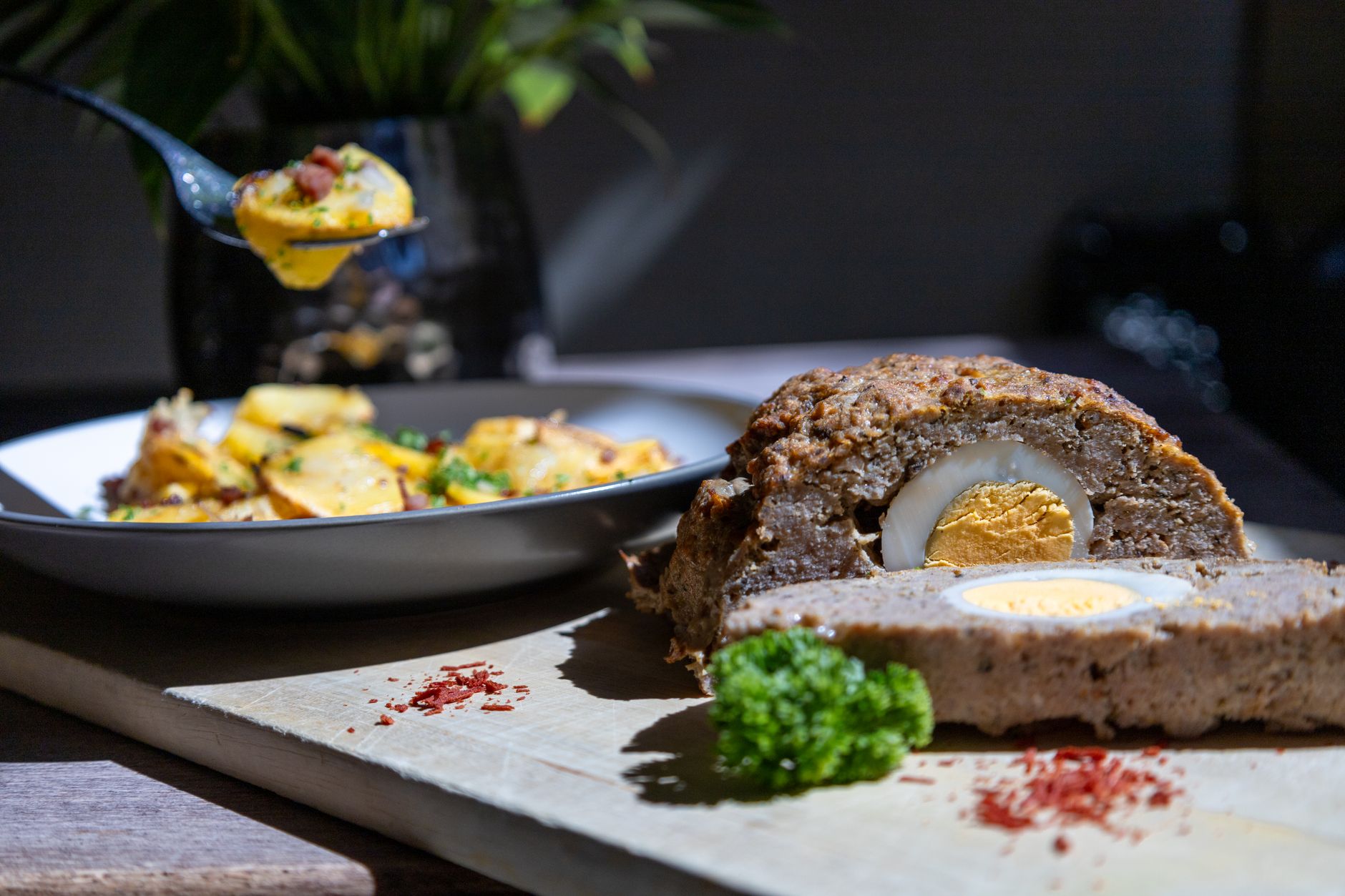
Meatloaf is a classic comfort food that evokes nostalgia for many. It typically consists of ground meat mixed with various ingredients and baked in a loaf shape. This dish offers a hearty meal that’s easy to prepare, but the question remains: Is meatloaf healthy?
The healthiness of meatloaf can vary significantly depending on the ingredients used, portion sizes, and cooking methods. In this article, we will explore the nutritional aspects of meatloaf, how you can make healthier choices, and tips for preparation and ingredients that can help you enjoy this dish in a more health-conscious way.
Is Meatloaf Healthy?
Meatloaf can be healthy, but it largely depends on the type of meat, fillers, and ingredients you include. Traditional recipes may not be the most nutritious, but by making some ingredient swaps, you can create a version that supports a balanced diet.
Nutritional Components of Meatloaf
To determine how healthy meatloaf is, it’s essential to look at its key components:
- Protein: The primary ingredient in meatloaf is usually ground meat, providing a rich source of protein. Protein is vital for muscle repair and overall health.
- Fats: Depending on the type of meat used, fat content can vary. Ground beef is typically higher in saturated fats, whereas turkey or chicken offers leaner options.
- Carbohydrates: Ingredient fillers like breadcrumbs or oats contribute carbohydrates. Whole grains can add fiber, which promotes digestion.
- Vitamins and Minerals: Ingredients such as onions, garlic, and bell peppers enhance the nutrient profile, supplying important micronutrients.
Healthier Meatloaf Ingredients
Choosing healthier ingredients can enhance the nutritional value of your meatloaf. Here are some options to consider:
Meat Types
- Ground Turkey: A popular healthier alternative, ground turkey is less fatty and lower in calories than beef.
- Ground Chicken: Similar to turkey, ground chicken is lean and an excellent source of protein.
- Lean Cuts of Beef: If preferring beef, choose cuts like 90% lean ground beef or grass-fed beef for a healthier option.
Binders and Fillers
- Whole Wheat Breadcrumbs: A healthier substitute for white breadcrumbs, providing additional fiber.
- Rolled Oats: Using rolled oats instead of breadcrumbs increases fiber and reduces calories.
- Zucchini or Cauliflower: Grated vegetables can replace some of the binder and add moisture, reducing calories.
Flavor Enhancers
- Fresh Herbs: Parsley, thyme, and basil can add flavor without excess sodium.
- Garlic and Onions: These ingredients boost flavor and provide numerous health benefits.
- Salsa or Tomato Sauce: Using homemade or low-sodium versions adds moisture and flavor without unnecessary sugars.
Meatloaf Cooking Methods
The way you cook your meatloaf can also impact its healthiness. Here are some tips for healthier cooking methods:
- Baking: This method allows fats to drip off the meatloaf as it cooks, reducing overall fat content.
- Grilling: If using a grill, excess fat will drip away, leaving you with a leaner dish.
- Slow Cooking: This method allows the meatloaf to stay moist without additional fats.
Portion Control and Serving Suggestions
Even a healthier meatloaf can become less healthy if consumed in large portions. Keep an eye on serving sizes, and consider these accompaniment ideas:
- Vegetable Sides: Steamed broccoli, roasted carrots, or a mixed green salad can round out the meal with essential nutrients.
- Whole Grain Sides: Quinoa or brown rice can complement the dish while providing additional fiber.
- Healthy Sauces: Be mindful of sauce portions, opting for homemade versions made with fresh ingredients.
Meatloaf Variations for Health Conscious Eaters
If you want to experiment with meatloaf without sacrificing health, consider these creative variations:
Vegetarian or Vegan Meatloaf
Replacing meat with lentils, beans, or mushrooms can create a delicious meatless version. Ensure to use binding agents like oats or ground flaxseed for structure.
Grain-Free Meatloaf
For those on a grain-free diet, you can replace traditional fillers with almond flour or ground chia seeds, adding healthy fats and fiber.
Low-Carb Meatloaf
For lower carbohydrate options, using cauliflower rice instead of breadcrumbs can create a satisfying dish that’s also keto-friendly.
Common Mistakes When Making Meatloaf
To ensure you create a delicious and healthy meatloaf, avoid these common pitfalls:
- Overmixing: Mixing the meatloaf too much can lead to a dense texture. Mix just until combined.
- Poor Cooking Temperature: Baking at too high a temperature can dry out the meatloaf. Stick to a reliable 350°F (175°C).
- Skimping on Seasoning: Meat can be bland without enough seasoning. Don’t hesitate to add herbs and spices to enhance flavor.
Making Meatloaf Ahead of Time
Meatloaf is an excellent candidate for meal prep. Here’s how to prepare it in advance:
- Batch Cooking: Make several meatloaves at once and freeze them for quick meals later. Bake, cool, and then wrap tightly before freezing.
- Refrigeration: Store cooked meatloaf in an airtight container for up to four days in the refrigerator.
- Leftover Ideas: Use leftover meatloaf in sandwiches, salads, or pasta dishes for easy next-day meals.
Storage and Reheating Tips
Proper food storage and reheating are crucial to safety and maintaining quality:
- Cool Quickly: Let meatloaf cool for no more than two hours at room temperature before refrigerating to minimize bacteria growth.
- Storage: Store leftovers in airtight containers. Meatloaf can last up to three days in the fridge or three months in the freezer.
- Reheating: Reheat in the oven or microwave, ensuring it reaches an internal temperature of 165°F (74°C) before eating.
Nutritional Trades and Considerations
As we’ve discussed, the healthiness of meatloaf depends on a variety of factors including choice of meat, fillers, and cooking methods. Consider these nutritional aspects:
- Caloric Content: Be mindful of the total caloric content, especially if you’re monitoring your weight.
- Sodium Levels: Pre-packaged meats often contain sodium. Opt for fresh meats and control the seasoning.
- Protein Balance: Ensure your meals are balanced with other protein sources if using lean meats.
In summary, meatloaf can be a healthy meal option with appropriate ingredient choices, cooking techniques, and portion control. By being mindful of what goes into your meatloaf, you can enjoy a classic dish that fits into a healthy lifestyle.
If you’re interested in some delicious meatloaf recipes, check out the Ina Garten meatloaf recipe for a classic twist or try this flavorful meatloaf sauce recipe to elevate your dish further. Enjoy exploring these delicious alternatives while ensuring your meal remains healthy!