
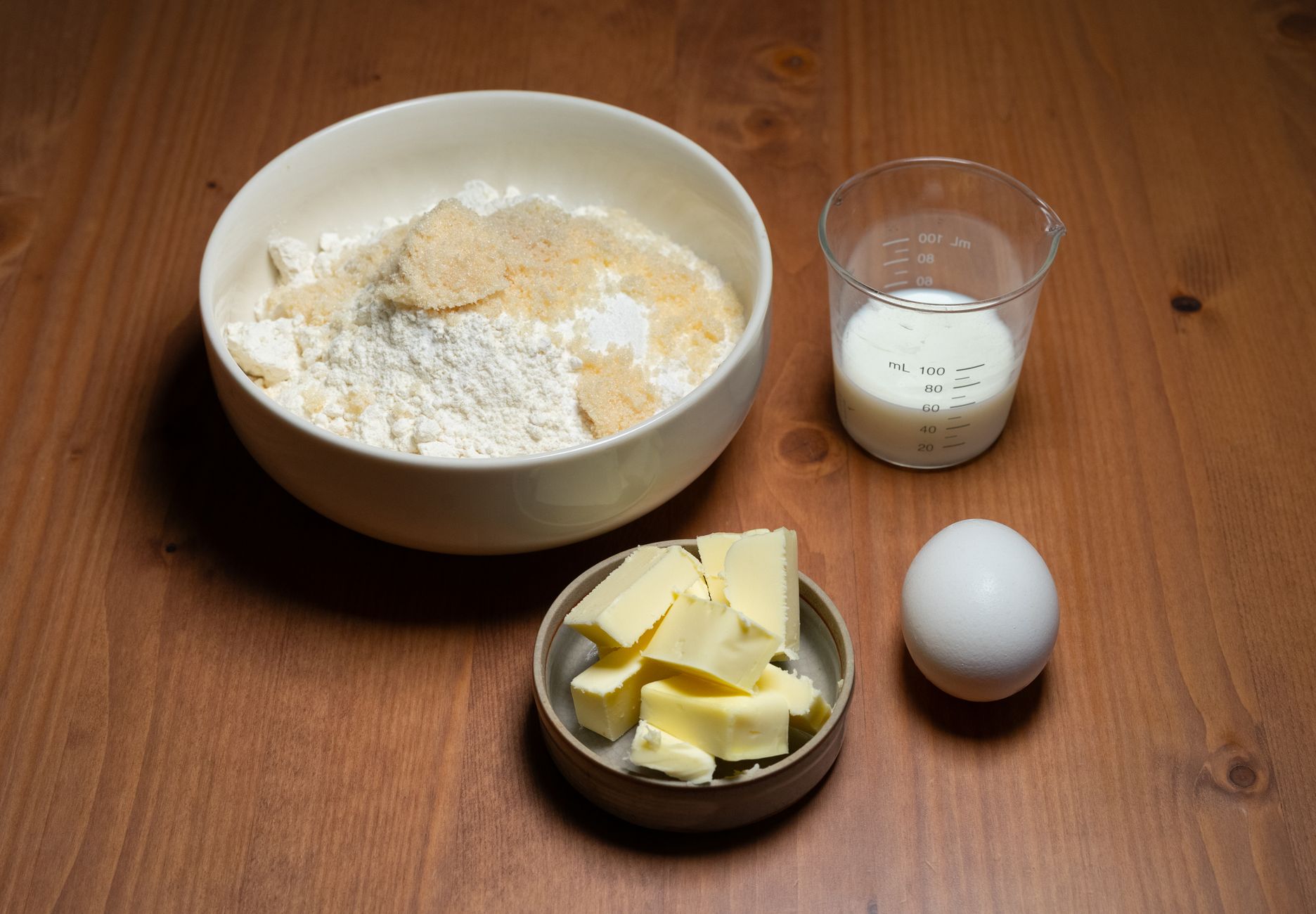
Butter is a cornerstone ingredient in many kitchens, providing flavor and richness to a variety of dishes and baked goods. Understanding how much 1/2 cup of butter is by weight and volume can greatly enhance your cooking and baking accuracy.
In this article, we will explore the measurement of 1/2 cup of butter, its applications in cooking and baking, common conversions, and tips for using it effectively in your recipes.
How Much Is 1/2 Cup of Butter?
1/2 cup of butter is equal to 4 ounces or approximately 113 grams. This measurement applies whether the butter is unsalted or salted, though the flavor profile may vary depending on your choice. Understanding this measurement ensures you’re using the right amount for your recipes, whether you’re baking cookies, making sauces, or preparing savory dishes.
Understanding Butter Measurements
Butter is often sold in sticks, and most packaging includes markings that simplify cutting. In the United States, standard butter sticks come in 1/2 cup portions, making measurement straightforward.
Butter by the Stick
- 1 stick of butter = 1/2 cup = 4 ounces = 113 grams
- 2 sticks of butter = 1 cup = 8 ounces = 226 grams
- 4 sticks of butter = 2 cups = 16 ounces = 453 grams
For recipes requiring 1/2 cup, simply cut a stick of butter along the printed lines, making this an accessible option in most home kitchens.
Butter Measurements in Alternative Formats
It’s essential to know that measurements can differ based on the form of butter. Here’s how different butter forms stack up:
- 1/2 cup of butter = 4 tablespoons (each stick has 8 tablespoons)
- Frozen butter can be more difficult to measure, so ensure you allow it to sit at room temperature for accurate scooping.
- If using melted butter, remember that 1 cup of melted butter is roughly equivalent to a little less than a cup of solid butter.
Why You Should Measure Accurately
Accurate measurement is crucial in both cooking and baking. In baking, precision is especially critical since the ratio of ingredients influences the final product’s structure, texture, and flavor. Unlike cooking, where ingredients can be adjusted to personal preference, baking is a science. Missing the appropriate butter measurement can lead to unexpected results.
Effects of Incorrect Butter Measurement
Using too little butter might result in dry baked goods, while too much can lead to greasy or overly rich results. Understanding how to measure 1/2 cup of butter accurately can help maintain the integrity of your recipes.
Using Softened vs. Melted Butter
Butter can be used in several forms in cooking and baking: softened, melted, or cold. The form you choose depends on the desired texture and flavor in your final dish.
Softened Butter
When butter is softened, it can be creamed with sugar to incorporate air into the mixture. This is essential in many baking recipes, including cookies and cakes, making them light and fluffy. To soften butter:
- Leave it out at room temperature for about 30 minutes to an hour.
- You can also microwave it briefly on low for about 10 seconds, checking periodically.
Melted Butter
Melted butter is often called for in recipes where a denser texture is desired, such as in brownies. To melt butter:
- Place it in a microwave-safe bowl and heat it in short bursts (10-15 seconds), stirring in between, until fully melted.
- You can also melt butter in a small saucepan over low heat on the stovetop.
Common Uses for 1/2 Cup of Butter
Butter is an immensely versatile ingredient used in a range of recipes. Here are some common applications:
Baking
Butter is often the primary fat source in baked goods, providing richness and flavor to cakes, cookies, and pastries. Recipes like:
- Chocolate chip cookies
- Yellow cake
- Brownies
Cooking and Sauces
Butter serves as a base for many sauces, enhancing flavors and providing body. For instance:
- Alfredo sauce for pasta
- Homemade garlic butter for bread or seafood
- Butter-based sautéing for vegetables
Spreads and Toppings
Butter can also be used to create spreads, simply by whipping it with herbs, spices, or other flavorings. Try:
- Compound butters (herb butter)
- Garlic butter for bread
Substituting Butter in Recipes
Should you need to substitute butter, either due to dietary preferences or availability, there are several alternatives you can consider. Each comes with its own flavor and texture profile:
Common Butter Substitutes
- Margarine: A 1:1 substitute; be mindful of flavors in baking.
- Coconut Oil: Use a 1:1 ratio, keeping in mind this will impart a tropical flavor.
- Shortening: Approximately 1/4 cup less than the amount of butter in recipes; provides a different texture.
- Applesauce: Use 1/2 cup applesauce for each cup of butter to add moisture without the fats.
Storage and Shelf Life of Butter
Proper storage helps maintain freshness and flavor. Follow these guidelines for both salted and unsalted butter:
Refrigerator Storage
Unopened butter can last up to 6 months in the refrigerator. Once opened, keep it wrapped, and it should last for about a month. Store it in the coldest part of the fridge rather than the door.
Freezing Butter
If you have extra butter you won’t use soon, consider freezing it. To freeze butter:
- Wrap it tightly in foil or parchment paper, then place it in a freezer bag.
- Label the package with the date to track its usage.
Thawing Butter
To use previously frozen butter, transfer it to the refrigerator to thaw overnight, or use the microwave method mentioned earlier if you need it sooner.
Kitchen Equipment for Measuring Butter
Having the right kitchen tools can help facilitate accurate measurements of butter:
Essential Measurement Tools
- Liquid Measuring Cup: Useful if you prefer to measure melted butter.
- Dry Measuring Cups: Ideal for measuring solid butter.
- Kitchen Scale: For precise measurements by weight.
- Silicone Spatula: For scraping out every bit of butter from containers.
Common Mistakes When Measuring Butter
Here are some common errors that can affect your recipe outcomes:
Tips to Avoid Mistakes
- Don’t scoop solid butter directly without leveling it; this can lead to over-measurement.
- Ensure butter is properly softened before using it for creaming.
- When using melted butter, let it cool slightly to avoid cooking other ingredients.
Frequently Asked Questions
Here are some commonly asked questions regarding butter measurement and usage:
Can I use liquid butter instead of solid butter?
While liquid butter can sometimes be used in recipes, it may not yield the same texture, especially in baked goods. It is essential to consider the specific recipe which may call for softened or melted butter.
Why does my butter measurement change with temperature?
Butter’s density changes with temperature. Softened or melted butter takes up less space than solid butter. Ensuring accurate measurements can help avoid discrepancies.
Conclusion
Knowing how much 1/2 cup of butter is, along with the nuances of measuring and using it, is a fundamental skill for any cook or baker. This knowledge allows for improved results in your culinary endeavors, helping you achieve desired flavors and textures in your dishes.
For further resources, explore our guide to clarified butter and check out our delicious butter swim biscuits recipe for adding buttery goodness to your meal planning.