
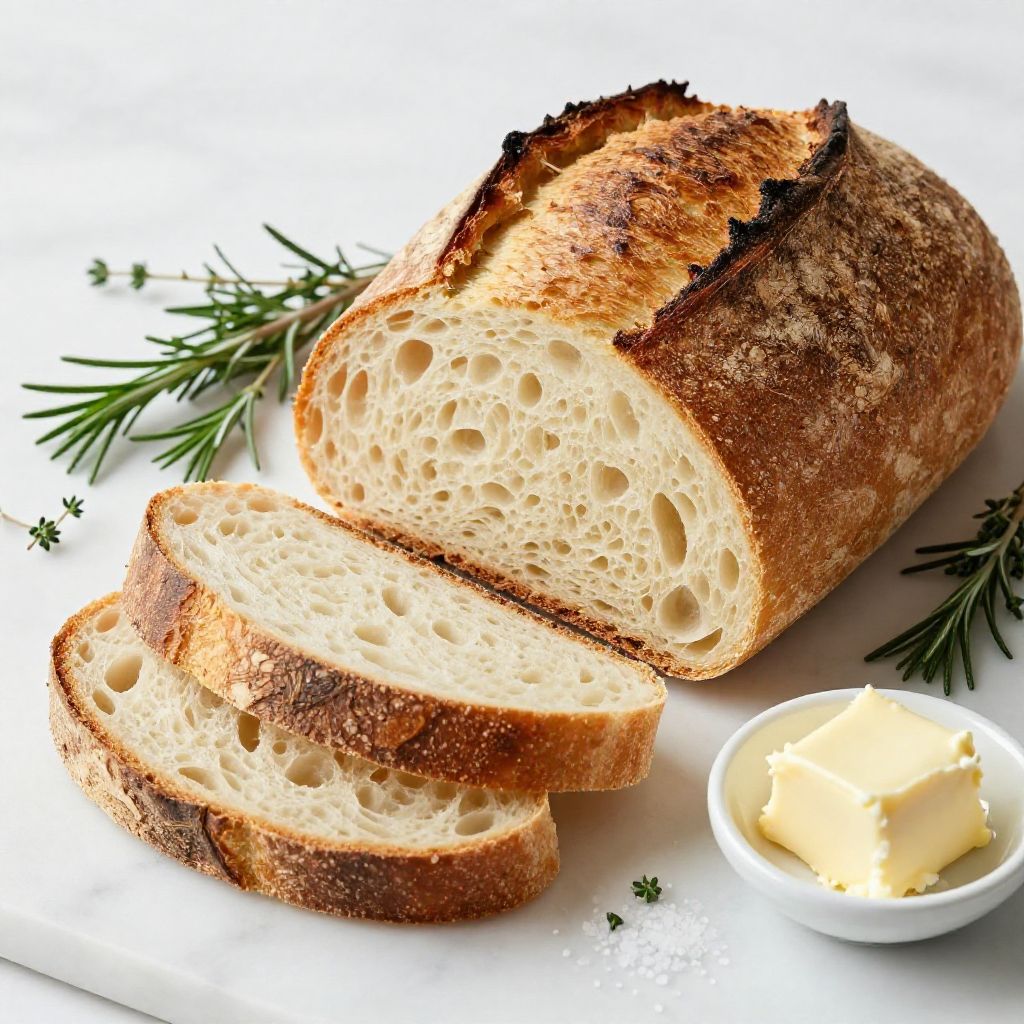
There’s something irresistibly cozy about the smell of fresh bread wafting through your home. The process of making bread from scratch is not just a cooking task; it’s a delightful journey that results in a warm, crusty loaf that’s perfect for sandwiches or simply slathering with butter.
This Bread Recipe is special because it’s simple enough for beginners yet yields a bakery-quality loaf. You’ll love the chewy texture and golden crust, plus the satisfaction of creating something delicious from just a few basic ingredients.
Why You’ll Love This Recipe
This recipe is a must-try for anyone who loves homemade goods. You will enjoy these standout features:
- Warm, crusty exterior with a soft, airy interior.
- Simple ingredients that you likely already have at home.
- Perfect for sandwiches, toast, or as a side for soups and salads.
- Versatile; you can customize it with herbs, spices, or other add-ins.
My Experience Making This Recipe
As I mixed the dough, the aroma of yeast began to fill my kitchen, reminding me of visits to the local bakery. Watching the dough rise was like witnessing a small miracle, and when it came out of the oven, it was golden and inviting.
When I served the first slices warm with butter, I could see the delight in my family’s eyes. There’s nothing quite like breaking bread together, and this loaf quickly became a family favorite.
Recipe Overview
- Recipe Name: Bread Recipe
- Servings: 12
- Prep Time: 20 minutes
- Cook Time: 30 minutes
- Total Time: 50 minutes
- Course: Bread
- Cuisine: Various
- Calories per Serving: 150
Equipment You Will Need
- Large mixing bowl
- Measuring cups and spoons
- Wooden spoon or dough whisk
- Plastic wrap or a clean kitchen towel
- Baking sheet or loaf pan
- Oven
Ingredients for Bread Recipe
- 4 cups all-purpose flour
- 1 tablespoon sugar
- 2 teaspoons salt
- 2 ¼ teaspoons active dry yeast (1 packet)
- 1 ½ cups warm water (110°F)
- 2 tablespoons olive oil (optional)
Ingredient Notes and Substitutions
- All-purpose flour: This is perfect for bread-making due to its protein content. You can substitute with bread flour for a chewier texture.
- Sugar: It feeds the yeast and contributes to browning. Honey or maple syrup can be used as alternatives.
- Salt: This enhances flavor and controls yeast activity. Sea salt or kosher salt works too, just use less.
- Active dry yeast: This is essential for leavening. Instant yeast can be used without proofing.
- Olive oil: Adds richness and helps with moisture. You can omit it for a simpler recipe.
How to Make Bread Recipe
Step 1: Activate the Yeast
In your large mixing bowl, combine the warm water and sugar, then sprinkle the yeast on top. Let it sit for about 5-10 minutes until it becomes frothy, which indicates the yeast is alive.
Step 2: Mix Dry Ingredients
In another bowl, whisk together the flour and salt. This ensures even distribution of the salt and helps prevent any yeast killing.
Step 3: Combine Wet and Dry Ingredients
Pour the yeast mixture and olive oil (if using) into the flour mixture. Stir with a wooden spoon until a rough dough forms.
Step 4: Knead the Dough
Turn the dough onto a floured surface and knead for about 5-7 minutes until smooth and elastic. This step develops the gluten, which gives bread its structure.
Step 5: First Rise
Place the dough in a greased bowl, cover with plastic wrap or a kitchen towel, and let it rise in a warm place for about 1 hour, or until doubled in size. This fermentation process enhances the flavor.
Step 6: Shape the Dough
Once risen, punch down the dough to release air. Shape it into a loaf or divide into rolls, placing them on a baking sheet or in a loaf pan.
Step 7: Second Rise
Cover the shaped dough again and let it rise for another 30 minutes. This step ensures a light and airy texture.
Step 8: Bake the Bread
Preheat your oven to 375°F (190°C). Bake the bread for 25-30 minutes, or until golden brown and it sounds hollow when tapped on the bottom.
Pro Tip: For an extra crispy crust, place a pan of water in the oven while baking to create steam.
Tips for the Best Bread Recipe
- Use fresh yeast for the best rise; check expiration dates.
- Measure flour correctly; scoop and level for accuracy.
- Let the dough rise in a warm, draft-free area to speed up fermentation.
- Experiment with add-ins like herbs, cheese, or nuts for flavor variations.
- Cool the bread completely before slicing to maintain texture.
Common Mistakes to Avoid
- Not letting the yeast activate properly can lead to dense bread.
- Adding too much flour makes the bread dry and crumbly.
- Skipping the second rise can cause a heavy loaf.
- Baking at the wrong temperature results in uneven cooking.
Serving Suggestions
This bread is incredibly versatile and pairs well with many dishes. Here are a few ideas:
- Spread with butter and jam for breakfast.
- Use slices for hearty sandwiches.
- Serve warm with soups or stews.
- Toast and top with avocado or poached eggs.
Variations to Try
- Add herbs like rosemary or thyme for an aromatic bread.
- Mix in cheese for a savory twist.
- Swap in whole wheat flour for a nuttier flavor and added nutrition.
- Include nuts or seeds for extra crunch and flavor.
Dietary Adaptations
- Gluten-free: Use a gluten-free flour blend; results may vary.
- Dairy-free: This recipe is naturally dairy-free.
- Vegan: Omit the olive oil if desired and use water.
- Low-carb/Keto: Use almond or coconut flour, adjusting liquid as necessary.
Storage and Reheating
Refrigerator
Store leftover bread in an airtight container in the fridge for up to a week.
- Slice before storing for easy access.
- Wrap in foil for extra freshness.
Freezer
This bread freezes well for up to three months.
- Wrap tightly in plastic wrap, then foil.
- Label with the date for easy reference.
Reheating
To enjoy, reheat slices in the toaster or wrap the loaf in foil and warm in the oven.
- For a crispy crust, use the oven method.
- Microwaving is quick but may make it chewy.
Nutrition Information
| Nutrient | Amount |
|---|---|
| Calories | 150 |
| Total Fat | 1.5g |
| Saturated Fat | 0g |
| Carbohydrates | 30g |
| Fiber | 1g |
| Sugar | 0g |
| Protein | 5g |
| Sodium | 200mg |
| Cholesterol | 0mg |
This information is an estimate and can vary based on specific ingredients used.
Frequently Asked Questions
Can I substitute bread flour for all-purpose flour?
Yes, bread flour will give you a chewier texture due to its higher protein content.
Can I make this bread ahead of time?
Absolutely! You can prepare the dough and let it rise, then shape and freeze it for later baking.
How should I store leftover bread?
Wrap it in foil or store in an airtight container to keep it fresh.
Why is my bread dense?
A dense loaf can result from not activating the yeast properly or adding too much flour.
Can I add herbs or spices to this recipe?
Yes, adding herbs or spices can enhance the flavor, so feel free to experiment!
Final Thoughts
Making your own bread is a rewarding experience that fills your home with warmth and comfort. I encourage you to give this recipe a try and discover the joy of fresh-baked bread.
For more delicious recipes, check out my honey wheat bread recipe or explore the unique flavors in my einkorn bread recipe. Happy baking!
Bread Recipe
Ingredients
Equipment
Method
- In a large mixing bowl, combine the warm water and sugar, then sprinkle the yeast on top and let sit for 5-10 minutes until frothy.
- In another bowl, whisk together the flour and salt.
- Pour the yeast mixture and olive oil (if using) into the flour mixture and stir with a wooden spoon until a rough dough forms.
- Turn the dough onto a floured surface and knead for 5-7 minutes until smooth and elastic.
- Place the dough in a greased bowl, cover with plastic wrap or a towel, and let rise in a warm place for about 1 hour or until doubled in size.
- Punch down the dough, shape into a loaf or rolls, and place on a baking sheet or in a loaf pan.
- Cover the shaped dough and let rise for another 30 minutes.
- Preheat the oven to 375°F (190°C), then bake the bread for 25-30 minutes until golden brown and hollow-sounding when tapped.