
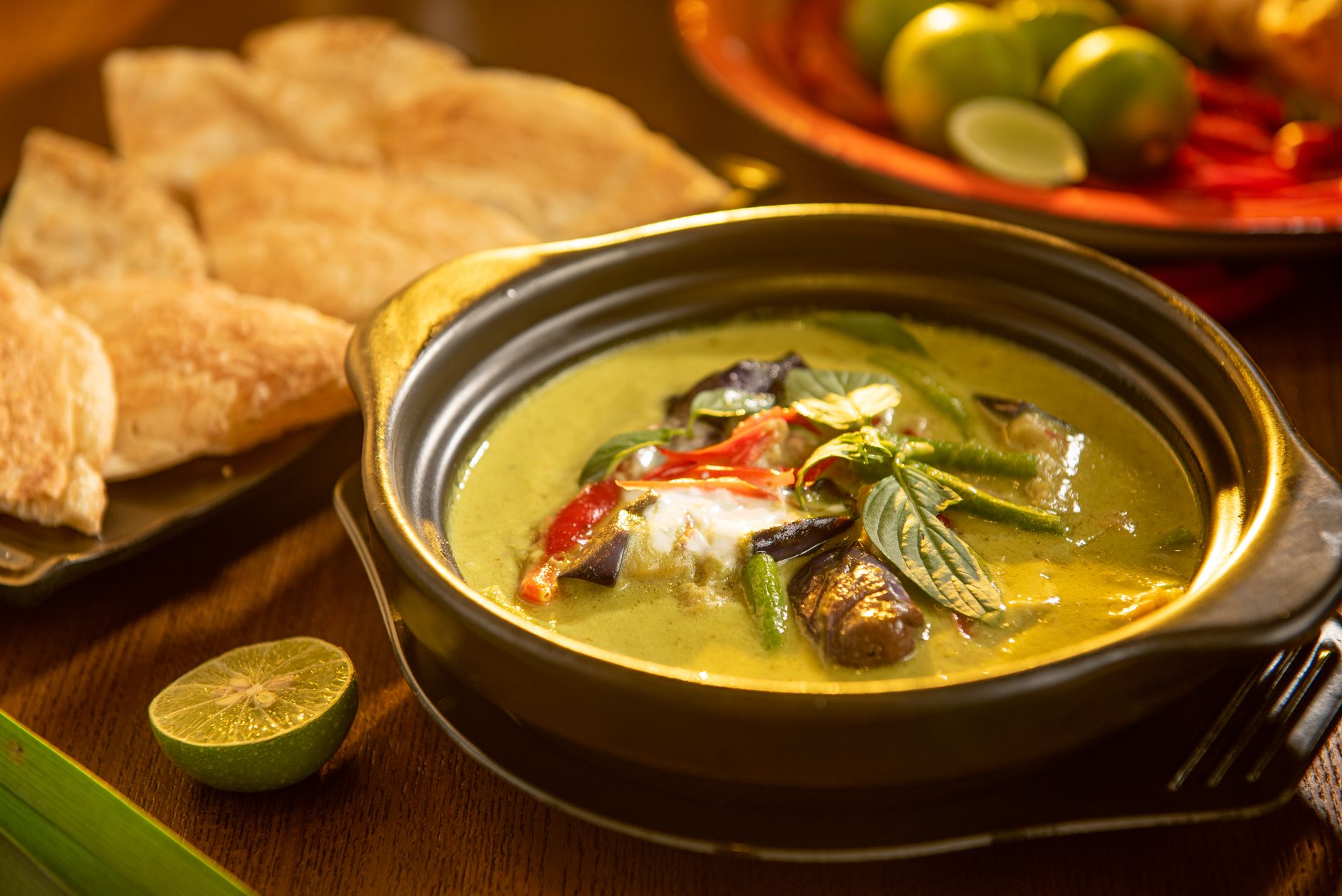
Thai food is renowned for its vibrant flavors and colorful presentation, but many people wonder whether it can also be part of a healthy diet. The cuisine is a complex mix of various ingredients, cooking methods, and nutritional profiles, which makes it essential to evaluate its health benefits and potential drawbacks.
This article explores the health aspects of Thai food, including the main ingredients, common dishes, cooking techniques, and potential health benefits, as well as tips for making healthier choices when enjoying this flavorful cuisine.
Is Thai Food Healthy?
Yes, Thai food can be healthy, depending on the ingredients used and cooking methods employed. Many traditional dishes are packed with fresh vegetables, lean proteins, and aromatic herbs, which can provide essential nutrients. However, certain dishes may be high in calories, sugar, or unhealthy fats, so choosing wisely is crucial.
Main Ingredients in Thai Cuisine
Understanding the key ingredients can help assess the healthiness of Thai food. Here are some commonly used components:
- Vegetables: Fresh vegetables like bell peppers, carrots, broccoli, and eggplant are staples in Thai cuisine. They are low in calories and high in vitamins and minerals.
- Herbs and Spices: Ingredients such as cilantro, basil, and lemongrass not only enhance flavor but also provide antioxidant properties and potential health benefits.
- Protein Sources: Thai dishes typically include lean proteins like chicken, shrimp, or tofu. These options provide essential amino acids without excessive fat content.
- Rice and Noodles: While rice and rice noodles are carbohydrates, they can be consumed in moderation as part of a balanced meal, providing energy and nutrients.
- Coconut Milk: Used in many curries, coconut milk adds creaminess but is also high in calories and saturated fat; moderation is key.
- Sauces and Pastes: Common components like fish sauce, soy sauce, and curry paste can be high in sodium or sugars, so they should be used sparingly.
Common Thai Dishes and Their Nutritional Profiles
To better understand how to enjoy Thai food healthily, let’s take a look at popular dishes and their nutritional components:
Tom Yum Soup
This spicy and sour soup is typically made with shrimp, mushrooms, lemongrass, lime juice, and chili. It is low in calories but rich in flavor and nutrients, with the shrimp providing quality protein and the herbs offering potential health benefits.
Green Curry
Made with green curry paste, coconut milk, and various vegetables, this dish is delicious but can be rich in calories due to coconut milk. Opt for a lean protein source and a higher vegetable content to make it more nutritious.
Pad Thai
This famous stir-fried noodle dish combines rice noodles, shrimp or chicken, eggs, peanuts, and bean sprouts, providing a balance of carbohydrates and protein. However, it can also be high in sugar due to the sauce, so consider asking for less sauce when ordering.
Som Tum (Papaya Salad)
This refreshing salad is made from green papaya, tomatoes, and a tangy lime dressing. It is low in calories and high in fiber, making it a healthy choice. The use of chili peppers may also provide metabolism-boosting properties.
Massaman Curry
This curry incorporates meat (often beef), potatoes, and peanuts in a rich sauce. It tends to be calorie-dense, so portion control and the addition of more vegetables can enhance its nutritional value.
Cooking Techniques in Thai Cuisine
The methods used in preparing Thai food can significantly impact its healthiness. Here are some common techniques:
Stir-Frying
This quick cooking method can retain nutrients if done properly. Using a little oil and high heat helps cook vegetables quickly, keeping them crisp and healthy. Limit sauce additions to control calories.
Steaming
A healthy option that preserves the nutrients in vegetables and proteins. Steamed dishes are generally lower in calories and fat since they do not require additional oils or sauces.
Grilling and Roasting
These methods add flavor without relying on added fats. Marinating meats in herbs and spices can enhance taste while keeping dishes healthy.
Curries and Soups
These can be nutritious depending on the ingredients. Adding more vegetables and opting for leaner protein sources can make these dishes healthier; be mindful of coconut milk’s caloric content.
Health Benefits of Thai Cuisine
There are several health benefits associated with enjoying Thai food, particularly when focusing on the use of fresh ingredients and herbs:
- Rich in Nutrients: Many dishes rely on fresh vegetables and herbs, providing vitamins, minerals, and fiber.
- Anti-Inflammatory Properties: Ingredients like turmeric and ginger, commonly found in Thai curries, may help reduce inflammation.
- Potential Weight Benefits: Well-balanced Thai meals can offer a good ratio of carbohydrates, proteins, and fats, promoting satiety and potentially aiding in weight management if portion sizes are controlled.
- Cardiovascular Health: Dishes with lean proteins and healthy fats (like those found in fish and peanut sauces) can support heart health.
Making Healthier Choices When Enjoying Thai Food
It is possible to enjoy Thai food while maintaining a focus on health. Here are tips for smarter choices:
- Choose Discriminately: Opt for dishes that are steamed, stir-fried, or grilled instead of deep-fried options.
- Amplify Vegetables: Request extra vegetables in your dishes, thereby increasing fiber and nutrient content.
- Watch the Sauces: Thai sauces can be high in sugar and sodium; consider asking for less sauce or a lighter version.
- Control Portions: Splitting entrees or opting for smaller portions ensures you enjoy the flavors without excessive calorie intake.
Common Misconceptions About Thai Food
It’s essential to address some common myths surrounding Thai cuisine:
- All Thai Food is Spicy: While many dishes include chili, not every Thai dish is spicy. There are plenty of milder options to enjoy.
- Coconut Milk is Always Unhealthy: Though rich in calories, when used in moderation, it can be part of a healthy diet due to its unique fats.
- Street Food is Unhealthy: Many street foods focus heavily on fresh ingredients, making them a nutritious option if you choose dishes wisely.
Examples of Healthier Thai Recipes to Try at Home
If you’d like to incorporate healthier Thai recipes into your cooking repertoire, here are a couple of options:
Thai Cucumber Salad
This refreshing salad combines cucumber, carrots, and peanuts with a tangy dressing. It’s rich in nutrients and simple to prepare.
- Servings: 4
- Preparation Time: 10 minutes
- Cooking Time: None
- Total Time: 10 minutes
Thai Eggplant Stir-Fry
A hearty dish bursting with vegetables and eggplant in a savory sauce, it can be enjoyed with either rice or noodles.
- Servings: 4
- Preparation Time: 15 minutes
- Cooking Time: 10 minutes
- Total Time: 25 minutes
Conclusion
In summary, Thai food can be a healthy choice when prepared and chosen thoughtfully. Focusing on fresh ingredients, lean proteins, whole grains, and vibrant vegetables will allow you to enjoy the unique flavors of Thai cuisine while reaping its nutritional benefits. Consider experimenting with some healthy Thai recipes at home for an enjoyable dining experience.
Explore related recipes, cooking tips, and food guides like Thai Cucumber Salad and Thai Eggplant Stir-Fry to enrich your culinary adventures.