
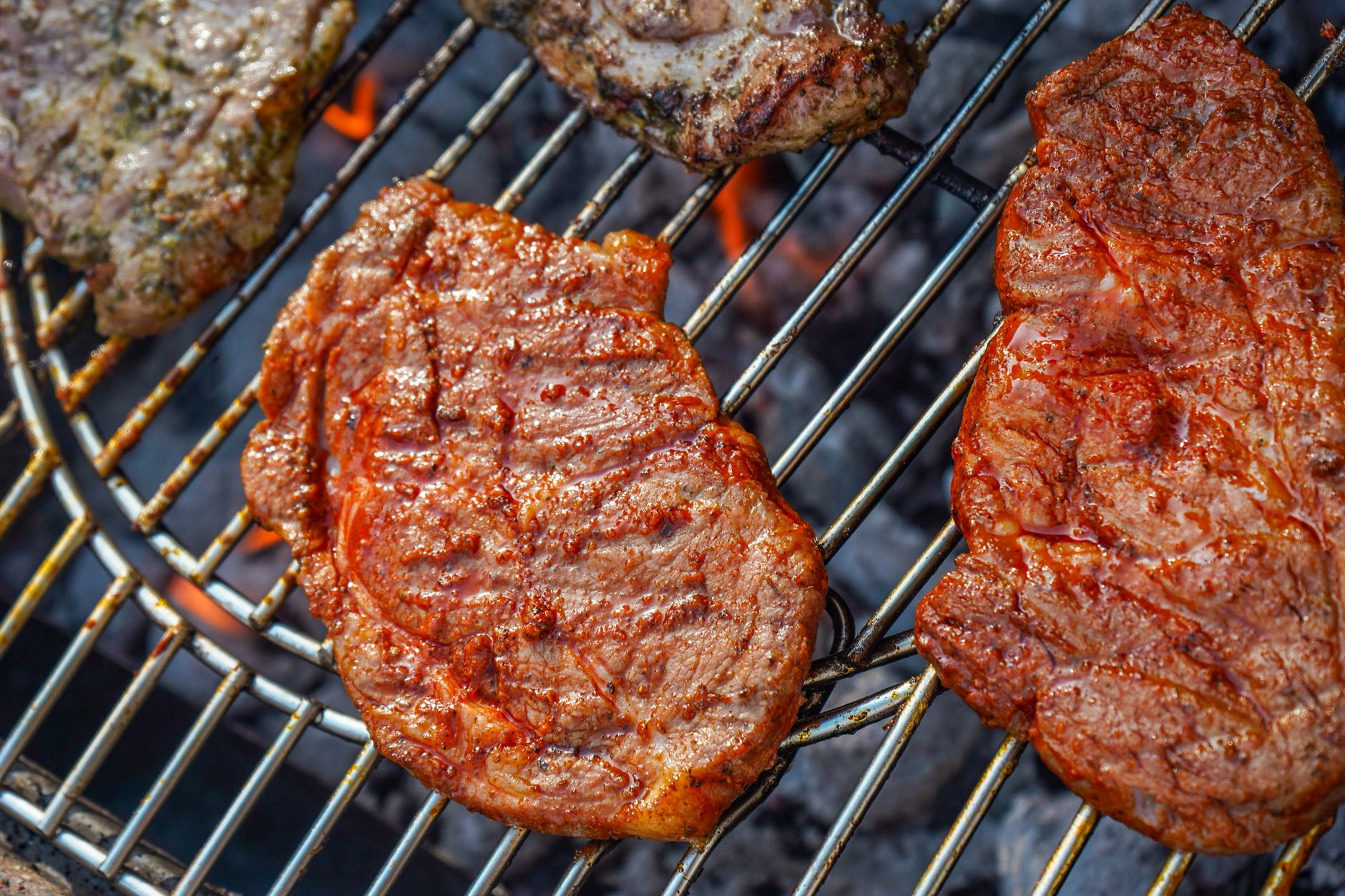
Steak is a popular cut of meat, primarily from beef, that is enjoyed worldwide for its rich flavor and tender texture. It can be prepared in various ways and is a staple in many cuisines, making it a prized dish for both casual meals and special occasions.
This article explores the different types of steak, cooking methods, how to choose and prepare steak, and tips for serving it perfectly. Whether you are a novice cook or a seasoned chef, understanding steak can elevate your culinary skills.
What Is Steak?
Steak is a cut of meat that typically comes from the muscles of large animals, most commonly cattle. The term generally refers to beef, but it can also apply to pork, lamb, or other meats. Steak is prized for its flavor, tenderness, and versatility in cooking.
Types of Steak
There are several types of steak, each varying in texture, flavor, and tenderness. The most popular cuts include:
- Ribeye Steak: Known for its marbling, ribeye is tender and flavorful, ideal for grilling or pan-searing.
- New York Strip: This cut is strip loin and has a good balance of tenderness and flavor, perfect when grilled or broiled.
- Filet Mignon: Cut from the tenderloin, this is one of the most tender cuts of steak, often served as a special dish.
- T-Bone Steak: This cut contains a T-shaped bone and includes both the strip and tenderloin portions, providing two textures in one steak.
- Sirloin Steak: A bit less tender than higher-end cuts but still flavorful, sirloin is versatile and often more affordable.
- Flank Steak: Lean and flavorful, flank steak is great for marinating and is often used in dishes like fajitas.
- Skirt Steak: Known for its intense flavor, skirt steak works well in quick cooking methods and is often used in tacos or stir-fries.
Choosing the Right Steak
When selecting steak, various factors should guide your decision:
- Cut: Choose based on your cooking method and personal preference for tenderness or flavor. For grilling, ribeye and strip steaks are excellent choices.
- Marbling: Look for intramuscular fat, or marbling, which enhances flavor and tenderness. Higher marbling generally indicates a higher quality steak.
- Color: Fresh beef should be a bright red color. Darker shades may indicate age or lack of freshness.
- Thickness: A thicker steak will cook more evenly and be easier to achieve the desired doneness.
- Source: Consider purchasing from reputable butchers or farms that prioritize quality and ethical practices.
Preparation Techniques for Steak
Proper preparation can significantly impact the cooking results and flavor of your steak. Here are some essential steps to consider:
Marinating
Marinating steak can enhance its flavor and tenderness. Use acidic ingredients like vinegar or citrus along with herbs, spices, and oils. Aim to marinate for at least 30 minutes, but up to 24 hours for tougher cuts.
Seasoning
For best results, season steak simply with salt and pepper. Generously apply salt to enhance flavor and reduce moisture loss during cooking. Additional spices or herb blends can also be added for extra flavor.
Bringing to Room Temperature
Before cooking, allow your steak to come to room temperature for about 30 minutes. This helps it cook more evenly.
Cooking Methods
Steak can be cooked using various methods, each yielding different results in taste and texture. Here are the most common techniques:
Grilling
Grilling imparts a smoky flavor and crispy exterior to the steak. Preheat the grill to high heat and cook the steak for about 4-6 minutes per side for medium-rare, depending on thickness. Aim for an internal temperature of 130-135°F (54-57°C).
Pan-Seering
For pan-searing, choose a heavy skillet, preferably cast iron. Heat a small amount of oil over medium-high heat until shimmering. Sear the steak for 3-5 minutes per side and finish cooking in the oven if needed, until the desired doneness is reached.
Broiling
Broiling uses high, direct heat from the top element of the oven. Place your oven rack 3-4 inches from the heat source and cook the steak for 4-6 minutes on each side. Always watch closely to avoid burning.
Sous Vide
Sous vide involves vacuum-sealing the steak and cooking it in a water bath at a precisely controlled temperature, often for several hours. This method ensures consistent doneness throughout, followed by a brief sear for finish.
Doneness Levels
Understanding steak doneness is crucial for satisfying results. Here are the common doneness levels:
- Rare: 120-125°F (49-52°C) – Cool red center.
- Medium Rare: 130-135°F (54-57°C) – Warm red center; most recommended for flavor and tenderness.
- Medium: 140-145°F (60-63°C) – Pink center.
- Medium Well: 150-155°F (65-68°C) – Slightly pink center.
- Well Done: 160°F (71°C) and above – No pink; drier texture.
Common Mistakes to Avoid
To achieve the best results with steak, keep these common mistakes in mind:
- Skipping Resting: Always let your steak rest for about 5-10 minutes after cooking to allow juices to redistribute.
- Improper Seasoning: Don’t be shy with salt. Proper seasoning enhances flavor throughout the meat.
- Crowding the Pan or Grill: Avoid cooking multiple steaks at once in a small space, which can lead to steam instead of sear.
- Not Using a Thermometer: Rely on a meat thermometer to check doneness accurately rather than guessing.
- Cutting Too Soon: Cutting the meat while it rests can cause juices to escape, leading to dryness.
Serving Suggestions
Once prepared, consider complementary side dishes and sauces to enhance your steak meal. Here are some ideas:
- Sides: Classic sides include mashed potatoes, grilled vegetables, or a fresh garden salad.
- Sauces: Enhance your steak with chimichurri, béarnaise, or a red wine reduction sauce.
- Garnishes: Fresh herbs or a sprinkle of flaky sea salt can brighten up the dish.
Storage and Reheating
Leftover steak can be stored in an airtight container in the refrigerator for up to three days. For longer storage, consider freezing it, which can extend its shelf life to 2-3 months.
To reheat, avoid the microwave as it can dry out the meat. Instead, use a skillet over low heat, or let it sit at room temperature, then sear briefly in a hot pan to restore some texture. Always ensure the internal temperature reaches at least 165°F (74°C) if reheating.
Conclusion
Steak is a versatile and beloved cut of meat that can be prepared and enjoyed in many ways. Understanding the different cuts, cooking methods, and serving options can help elevate your culinary repertoire.
If you’re looking to dive into specific steak recipes, check out our petite sirloin steak recipe or explore the flavors of a T-bone steak recipe.