
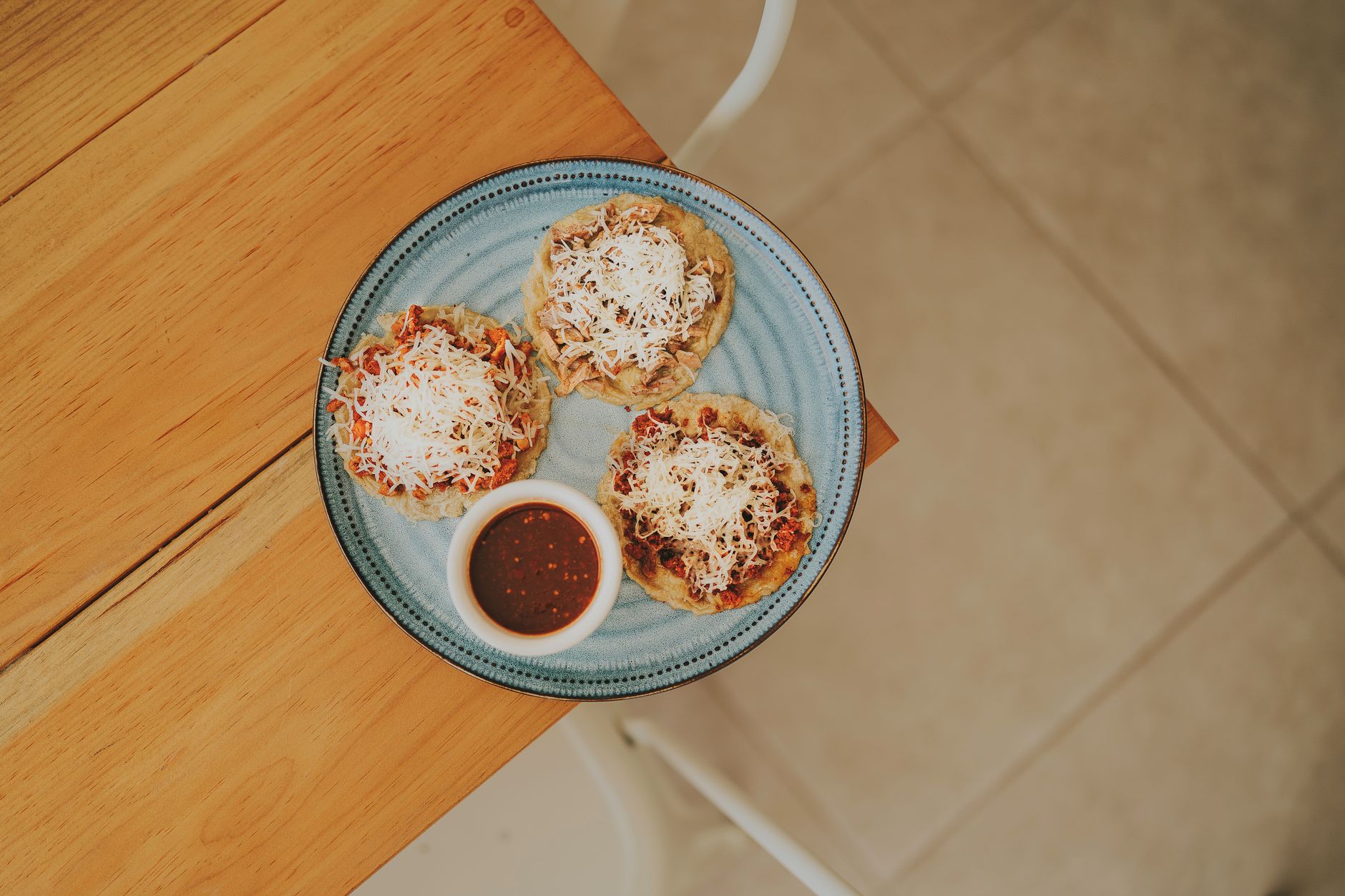
Sopes are traditional Mexican dishes crafted from masa (corn dough), shaped into thick, round tortillas. They possess a subtle corn flavor and a delightful texture that is sturdy enough to hold toppings while still being soft and tender inside. Sopes make for an excellent base for a variety of savory toppings, making them a versatile choice for meals.
Often enjoyed as a street food or at family gatherings, sopes are garnished with ingredients such as beans, meats, vegetables, and a range of sauces. They are an integral part of Mexican cuisine and provide a satisfying way to experience rich flavors and textures.
What Are Sopes?
Sopes are small, thick corn cakes topped with a variety of ingredients. Originating from Mexico, they feature a flexible base made from masa and are often referred to as “sope” in singular form. The texture is somewhat like a thick tortilla, but with a raised border that helps to contain the toppings.
Commonly adorned with refried beans, meats, vegetables, cheese, and salsas, sopes can be customized based on personal preferences or regional variations. They are a perfect representation of the diverse flavors found in Mexican cuisine.
History and Cultural Significance of Sopes
Sopes trace their roots back to ancient Mesoamerican cultures where corn was a staple food. Traditionally known as “sopa” in the Nahuatl language, the base of sopes has evolved over the years while retaining its cultural significance. The preparation of sopes can vary greatly across different regions in Mexico, reflecting local ingredients and culinary techniques.
In modern times, sopes are commonly found in Mexican eateries and are an essential dish at many family gatherings, celebrations, and religious events. These adaptable bites make them a favorite for both formal occasions and casual dining.
Ingredients in Sopes
The core ingredient in sopes is masa harina, which is ground corn treated with lime to enhance its nutritional value and ease of cooking. Other essential ingredients include salt and water, though various toppings can elevate the dish:
- Masa Harina: The primary ingredient used to create the dough.
- Water: Necessary for forming the dough consistency.
- Salt: Adds flavor to the dough.
- Toppings: These may consist of refried beans, shredded meat (such as beef, pork, or chicken), queso fresco, vegetables, and salsas.
Essential Equipment for Making Sopes
To prepare sopes at home, a few essential kitchen tools will make the process smoother:
- Mixing Bowl: For combining masa harina, water, and salt.
- Tortilla Press: Although optional, a tortilla press can make shaping the dough easier.
- Cast Iron Skillet or Non-Stick Pan: For cooking the sopes.
- Spoon or Spatula: For adding toppings and shaping the edges of the sopes.
How to Make Sopes: Step-by-Step Instructions
Making sopes is straightforward and enjoyable. Here is a step-by-step guide to help you prepare them:
- Prepare the Dough: In a mixing bowl, combine 2 cups of masa harina with a pinch of salt. Gradually add about 1 cup of warm water until the mixture forms a soft, pliable dough. Divide the dough into equal portions, roughly the size of a golf ball.
- Shape the Sopes: Using a tortilla press or your hands, flatten each ball of dough into a thick disc, about 1/4 inch thick. If using your hands, press gently, ensuring the edges of the disc are slightly thicker to form a raised border.
- Cook the Sopes: Heat a cast-iron skillet or non-stick pan over medium heat. Cook each disc for about 2-3 minutes on each side until they develop a slightly golden color.
- Crimp the Edges: While the sopes are still warm, use your fingers or a spatula to crimp and shape the edges, creating a raised border.
- Cool Slightly: Remove the cooked sopes from the pan and let them cool slightly. They should be soft yet sturdy enough to hold toppings.
- Add Toppings: Spread a layer of refried beans over each sope, then top with your choice of meat, vegetables, and any desired sauces.
- Serve: Enjoy the sopes warm, garnished with your choice of fresh toppings like salsa, avocado, or crema.
Substitutions and Variations
While the classic sope is made with masa harina, there are various substitutions and variations you may explore:
- Alternative Flours: For a gluten-free option, you can substitute masa harina with gluten-free flour blends; however, the texture and taste may change slightly.
- Vegetarian Options: Replace meat toppings with roasted or sautéed vegetables, mushrooms, or a hearty bean mix for a delicious vegetarian take.
- Spice It Up: Add cumin or chili powder to the masa dough for additional flavor. Experiment with different types of salsas such as salsa verde or pico de gallo.
Common Mistakes to Avoid When Making Sopes
Making sopes can be simple, but there are some common pitfalls to be aware of:
- Too Dry or Too Wet Dough: If the dough is too dry, it will crack; if too wet, it will spread too much while cooking. Adjust the water gradually when mixing.
- Uneven Thickness: Ensure the sopes are evenly shaped to achieve uniform cooking. Thinner edges may burn while thicker parts remain raw.
- Lack of Flavor:** Don’t forget to season your masa dough with salt. This adds essential flavor to the base.
Serving Suggestions for Sopes
Sopes are incredibly versatile and can be paired with a variety of sides and beverages:
- Salsas: Fresh salsa, pico de gallo, or guacamole can enhance the flavor.
- Side Dishes: Serve with Mexican rice, black beans, or a fresh salad for a complete meal.
- Beverages: Pair with traditional drinks like horchata, agua fresca, or Mexican beer.
Storage and Make-Ahead Guidance
If you intend to prepare sopes ahead of time, here are some storage tips:
- Storing Uncooked Sopes: Place uncooked sopes layered between parchment paper in an airtight container in the fridge for up to 2 days.
- Storing Cooked Sopes: Cooked sopes can be stored in the fridge for about 2-3 days. Reheat in a skillet before serving.
- Freezing Options: You can freeze cooked sopes wrapped in foil or freezer-safe bags for up to 3 months. Thaw completely before reheating.
Regional Variations of Sopes
Across Mexico, sopes may be served with region-specific toppings or sauces:
- Sope de Puerco: Common in central Mexico, often topped with pulled pork and green salsa.
- Sope de Pollo: A popular choice with shredded chicken and a drizzle of crema.
- Sope de Barbacoa: A delicious option topped with barbacoa (slow-cooked beef) often enhanced with onions and cilantro.
Conclusion
Sopes are a flavorful, customizable dish that can cater to various tastes and dietary preferences. They are an excellent way to introduce yourself to the diverse flavors of Mexican cuisine. Whether served at a casual gathering or a festive occasion, sopes can easily be adapted to fit any palate.
Explore the rich world of Mexican cooking by trying your hand at making an authentic sope or discovering other delicious dishes such as fry bread or steak burritos. Expand your culinary repertoire and impress friends and family with these delightful creations.