
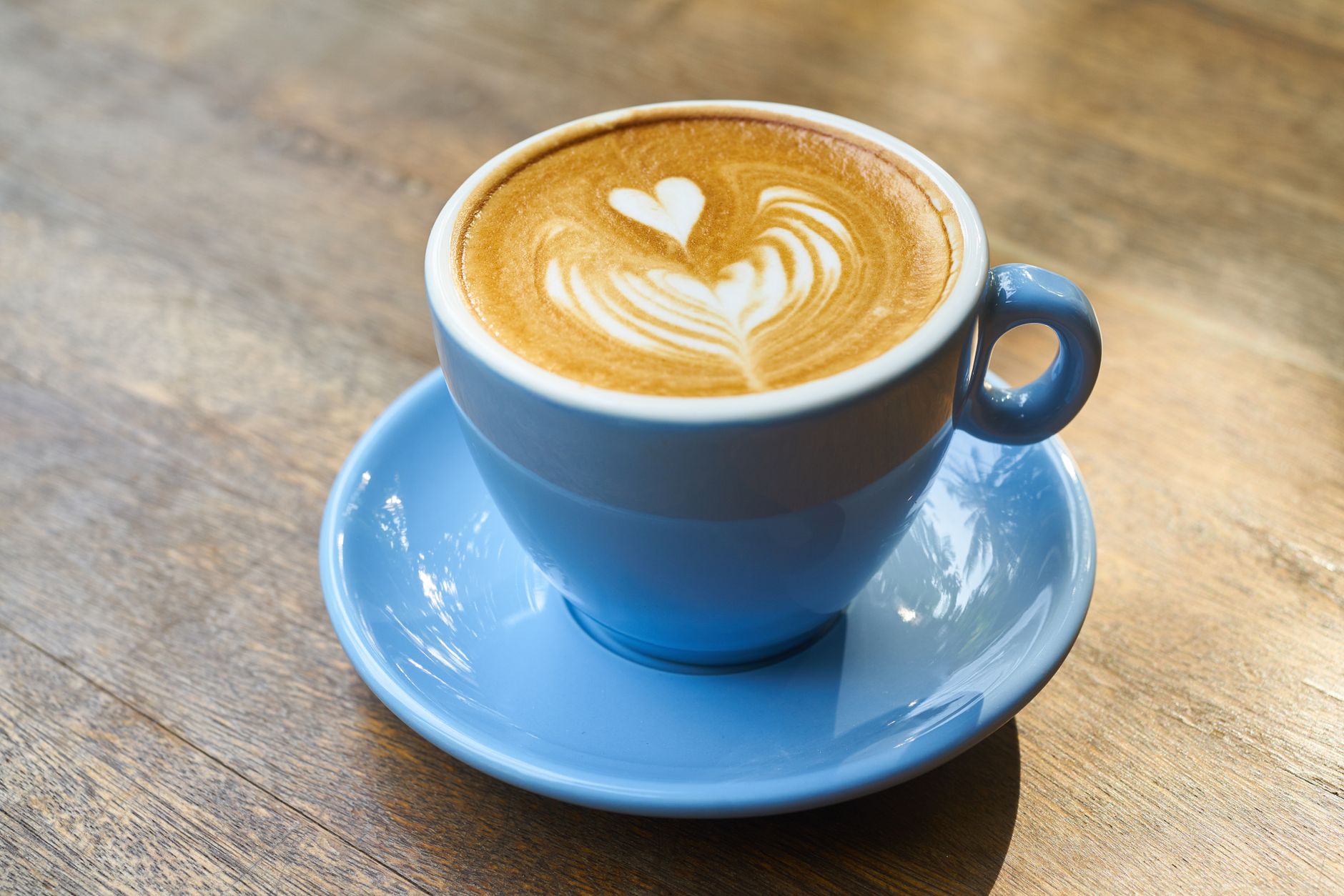
Coffee is one of the most popular beverages worldwide, prized for its rich flavor and stimulating properties. One of the key components that contribute to coffee’s allure is caffeine, a natural stimulant known for its ability to enhance alertness and reduce fatigue. This article will delve into the caffeine content in a cup of coffee and explain various factors that influence these levels.
Understanding how much caffeine is in your cup can help you make informed choices about your coffee consumption. Whether you enjoy a morning brew to kickstart your day or a late afternoon cup to revitalize your energy, knowing the caffeine content can enhance your coffee experience.
How Much Caffeine Is In One Cup Of Coffee?
On average, an 8-ounce (240 ml) cup of brewed coffee contains approximately 95 mg of caffeine. However, this amount can vary significantly depending on several factors such as the brewing method, the type of coffee bean, and the strength of the brew.
Factors Affecting Caffeine Content
1. Brewing Method
The way coffee is brewed plays a major role in determining its caffeine content. Here are some common methods and their typical caffeine levels:
- Drip Brewed Coffee: This method usually results in about 95 mg of caffeine per 8-ounce cup.
- Espresso: A single shot (1 ounce) contains around 63 mg of caffeine, so a typical double shot (2 ounces) has about 126 mg.
- French Press: This brewing technique can yield up to 107 mg of caffeine per 8-ounce serving due to the longer brewing time.
- Cold Brew: Depending on the ratio of coffee to water and steeping time, it can have between 100 to 250 mg of caffeine per cup.
- Instant Coffee: An 8-ounce serving typically contains 40-100 mg of caffeine.
2. Coffee Bean Type
Different types of coffee beans can also affect caffeine levels. Here are some common varieties and their caffeine content:
- Arabica: Generally contains less caffeine, around 60-75 mg per 8-ounce cup.
- Robusta: Contains higher caffeine levels, averaging 90-140 mg per 8-ounce cup.
3. Serving Size
Often, people overlook the actual serving size of coffee. A “cup” in coffee terms can differ from a standard measurement. Coffee mugs can hold anywhere from 10 to 16 ounces or more, which increases the total caffeine intake:
- A 10-ounce cup of coffee could have about 118 mg of caffeine if brewed correctly.
- A larger 16-ounce (medium size) coffee can contain 190 mg or even more, depending on the coffee type and brewing method.
Comparison of Caffeine Content in Various Beverages
For a better understanding of coffee’s place in the caffeine hierarchy, let’s compare it with some other common beverages:
| Beverage | Caffeine Content (per 8 oz) |
|---|---|
| Brewed Coffee | 95 mg |
| Espresso | 63 mg (1 oz) |
| Green Tea | 30-50 mg |
| Black Tea | 40-70 mg |
| Energy Drinks | 80-100 mg |
| Cola Drinks | 30-50 mg |
| Dark Chocolate | 25-40 mg |
Health Considerations
Moderation is key when it comes to caffeine consumption. While caffeine can help enhance mental alertness and improve athletic performance, excessive intake can lead to negative side effects such as insomnia, jitteriness, headaches, and increased heart rate.
The general recommendation for most adults is to stay under 400 mg of caffeine per day, equal to about four 8-ounce cups of brewed coffee. However, individual tolerance can vary due to factors such as age, body weight, and sensitivity to caffeine. Pregnant women and individuals with certain medical conditions should consult their healthcare provider for personalized advice.
How to Measure Caffeine in Your Coffee at Home
If you’re curious about how much caffeine is in your homemade coffee, here are some practical tips to estimate its content:
- Weigh Your Coffee: Use a kitchen scale to measure the grams of coffee used per cup. A common guide is to use 1-2 grams of coffee per ounce of water, resulting in about 12-16 mg of caffeine per gram of coffee.
- Brewing Time: Keep track of how long you brew your coffee. The longer the coffee grounds are in contact with water, the more caffeine will be extracted.
- Type of Coffee Beans: Refer to the specific type of coffee beans you are using. If you know whether you have Arabica or Robusta, you can estimate the caffeine accordingly.
Caffeine Sensitivity
People experience caffeine differently. Some may feel invigorated after just a small cup, while others may require larger amounts to achieve similar effects. Caffeine sensitivity is influenced by genetics, diet, and lifestyle, making it a unique experience for everyone.
To find your ideal caffeine level, start with lower quantities and gradually increase until you find what feels best for you. It is advisable to listen to your body’s signals; if you experience negative symptoms, consider reducing your intake.
A Summary of Caffeine Alternatives
If you’re looking to reduce your caffeine intake or simply want to explore alternatives, there are plenty of options available:
- Decaffeinated Coffee: Decaf coffee is brewed using methods that reduce caffeine content to less than 5 mg per 8 oz cup, allowing you to enjoy the taste without the stimulating effects.
- Herbal Teas: These naturally caffeine-free options include chamomile, peppermint, and rooibos, offering a soothing alternative.
- Matcha: If you prefer green tea, matcha can be a great choice. It contains caffeine but also includes L-theanine, which can provide a more balanced energy boost.
- Chicory Coffee: Made from roasted chicory root, this coffee substitute has a similar flavor profile without caffeine.
Practical Tips for Enjoying Your Coffee
There are many simple ways to enhance your coffee enjoyment while being mindful of caffeine intake:
- Try Different Brewing Methods: Experimenting with different brewing methods can change the caffeine profile and flavor of your coffee. Consider trying pour-over, cold brew, or AeroPress.
- Order Smart: If you’re visiting a coffee shop, ask for the caffeine content of different drinks. Specialty coffee drinks might contain more caffeine than you’d expect.
- Incorporate Moderation: Opt for smaller servings during the day instead of multiple large cups. This helps manage your caffeine intake while enjoying your favorites.
- Know Your Limit: Pay attention to how caffeine affects you. If you’re sensitive, consider smaller cups or decaf varieties.
Conclusion
Coffee is a delightful beverage with a rich history and complex flavor profile. Understanding how much caffeine is in a cup of coffee can empower you to make educated choices for your health and enjoyment. With knowledge of the factors influencing caffeine content, you can tailor your consumption to suit your preferences.
Whether you prefer the boldness of a dark roast or the smoothness of a light brew, knowing the caffeine levels can help you strike a perfect balance between savoring your coffee and managing your intake.
Explore more about coffee’s impact on your diet, or discover delightful alternatives by checking out our articles on caffeine in chai tea and a delicious Mexican hot chocolate recipe.