
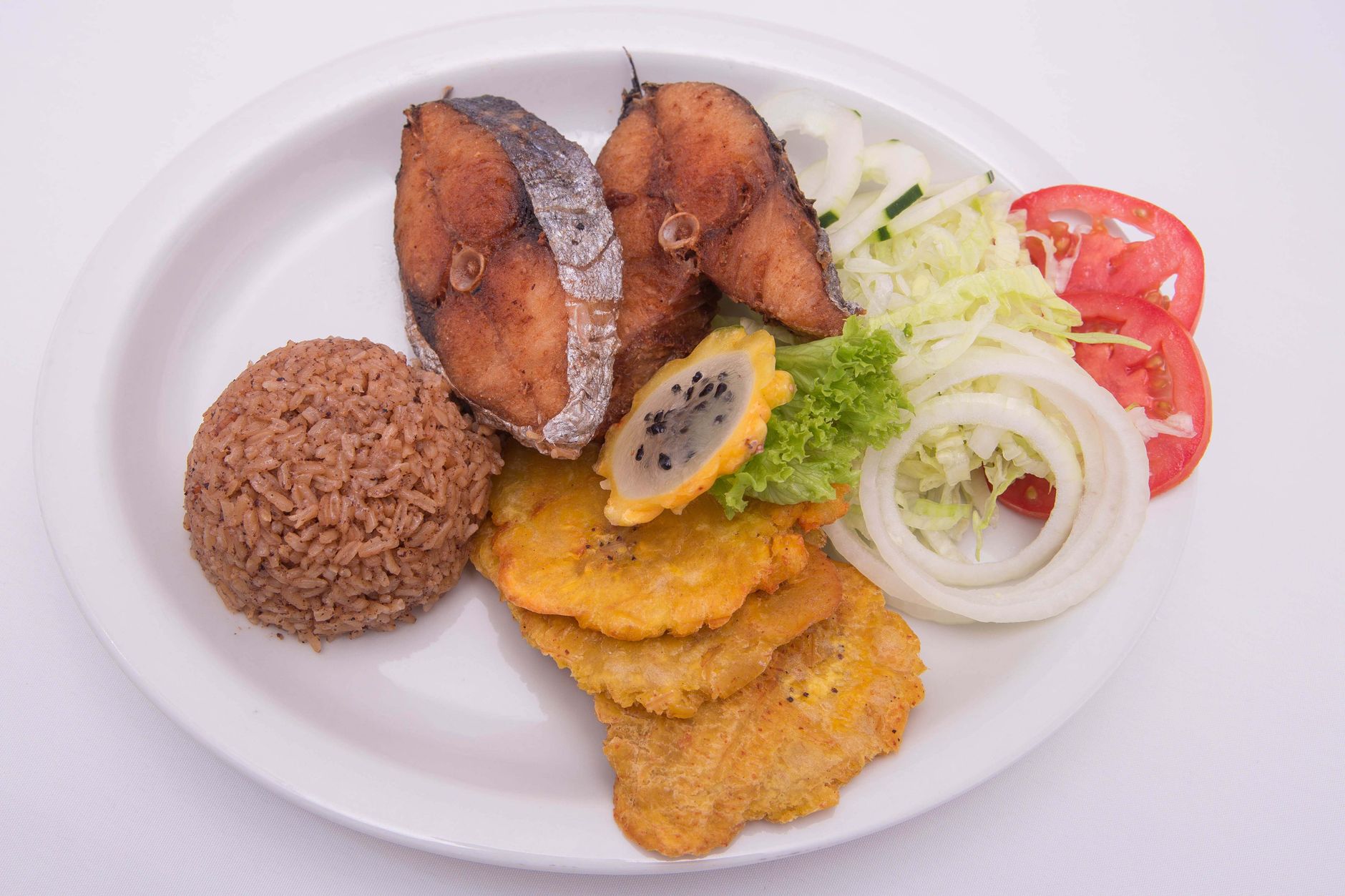
Cuba is known for its rich culinary history, vibrant flavors, and diverse ingredients that reflect a fusion of African, Spanish, and indigenous influences. The food culture embodies the country’s heritage, producing iconic dishes and unique beverages. Understanding what Cuba is known for in the culinary world can inspire home cooks to create authentic Cuban experiences at their tables.
From the hearty comfort of Ropa Vieja to the refreshing taste of a Mojito, Cuban cuisine offers a tantalizing journey through flavors and textures. This article delves into the key elements that define Cuban food, including traditional dishes, staple ingredients, and culinary techniques.
What Is Cuba Known For in Cuisine?
Cuba is known for its distinct culinary style characterized by bold flavors, fresh ingredients, and simple cooking methods. Cuban food showcases a blend of various influences, with staples like rice, beans, plantains, and pork being at the forefront. The cuisine draws from its cultural roots, combining Spanish, African, and Caribbean flavors to create delightful dishes.
Iconic Cuban Dishes
Cuban cuisine is home to several celebrated dishes that embody the country’s flavors and cooking traditions. Here are some of the most popular ones:
Ropa Vieja
Ropa Vieja translates to “old clothes,” referring to the dish’s shredded beef that resembles worn fabric. This savory concoction consists of slow-cooked beef in a tomato-based sauce with peppers, onions, and spices.
- Flavor: Rich and hearty with a slightly sweet tomato base.
- Texture: Tender, shredded beef complemented by soft vegetables.
Arroz con Pollo
Arroz con Pollo, or rice with chicken, is a classic Cuban comfort food. It’s typically made with saffron or yellow coloring, resulting in a vibrant dish packed with flavor.
- Flavor: Earthy, with a hint of spices and chicken richness.
- Texture: Fluffy rice with tender chicken pieces.
Lechón Asado
Lechón Asado, or roasted pork, is a must-try dish for anyone visiting Cuba. The pork is marinated in a mixture of citrus juices and spices, often cooked for hours until the skin is crispy.
- Flavor: Tangy and savory with a crispy outer layer.
- Texture: Juicy, tender meat contrasted with crunchy skin.
Picadillo
This ground beef dish is cooked with olives, raisins, and spices. It offers a balance of sweet and savory that is particularly beloved in Cuban households.
- Flavor: Sweet and savory with a hint of brininess from olives.
- Texture: Ground beef with tender cooked vegetables.
Moros y Cristianos
This dish consists of black beans and white rice cooked together, symbolizing the historical mix of cultures in Cuba.
- Flavor: Earthy black bean flavor mingled with fragrant rice.
- Texture: Creamy beans combined with fluffy rice.
Cuban Staples: Ingredients You Need to Know
Cuban cuisine utilizes a variety of staple ingredients that bring dishes to life. Here are some key components you should have in your pantry:
Rice
As a core component of many Cuban dishes, rice is often served alongside beans or as a base for various meals. Long-grain rice is most commonly used.
Beans
Cuban black beans are a staple, known for their rich flavor and versatility. They can be served as a side dish or incorporated into main meals.
Plantains
Plantains are a significant part of Cuban cuisine. They can be prepared ripe for desserts or unripe for savory dishes, such as Tostones (fried green plantains).
Garlic
A crucial flavor enhancer in Cuban cooking, garlic adds depth to dishes and marinades.
Spices
Cumin, oregano, and bay leaves are commonly used to season dishes, lending rustic flavors that define Cuban gastronomy.
Cuban Cooking Techniques
Understanding cooking techniques is essential for authentic Cuban cooking. Here are some methods you may encounter:
Marinating
Cubans frequently marinate meats, often using citrus juices and spices to enhance flavors. A common marinade called “mojo” combines bitter orange juice, garlic, and herbs.
Slow Cooking
Many Cuban dishes are slow-cooked to allow flavors to mature and meats to become tender. Ropa Vieja and Lechón Asado are examples where this technique shines.
Sautéing
Often used for vegetables, sautéing is essential in dishes like Arroz con Pollo, where ingredients are lightly browned to create base flavors.
Frying
Frying is utilized for crispy textures, especially in dishes like Tostones and Croquetas. Proper temperature and oil selection are key to achieving that perfect crunch.
Traditional Cuban Beverages
A meal is not complete without a proper drink. Cuban beverages reflect the country’s vibrant culture and flavors. Here are some classic drinks you should consider:
Mojito
One of Cuba’s most famous cocktails, a Mojito consists of rum, mint leaves, sugar, lime juice, and soda water. It’s refreshing and perfect for hot days.
Daiquiri
The original Daiquiri, crafted in Cuba, combines rum, lime juice, and sugar. It can be served shaken or blended, with various fruit flavors added.
Cuban Coffee
Coffee is an essential part of Cuban culture. Known for its strong flavor and espresso base, it’s typically sweetened with sugar to create a rich beverage.
Malta
Malta is a non-alcoholic beverage made from malted barley. It’s sweet and has a slight bitterness, making it a popular choice among locals.
Incorporating Cuban Flavors at Home
To bring the essence of Cuba into your kitchen, consider crafting a meal centered around the key components of Cuban cuisine. Here are some practical tips to get you started:
Meal Planning Tips
- Choose Your Proteins: Focus on affordable cuts of pork or beef for traditional dishes like Ropa Vieja or Lechón Asado.
- Prep Ingredients: Prepare marinades in advance to enhance the flavor and ensure tender meat.
- Batch Cook: Many Cuban dishes, such as Arroz con Pollo and Moros y Cristianos, can be made in larger quantities and freeze well for later meals.
Recipe Ideas for the Week
- Monday: Prepare Ropa Vieja and serve it with white rice.
- Tuesday: Make a colorful Arroz con Pollo.
- Wednesday: Enjoy Picadillo with black beans.
- Thursday: Whip up some Tostones for a flavorful snack.
- Friday: End the week with homemade Mojitos.
Food Pairings and Serving Suggestions
Understanding how to pair Cuban dishes with various sides and beverages enhances the dining experience. Here are some popular combinations:
- Ropa Vieja: Pairs well with Moros y Cristianos and fried plantains.
- Arroz con Pollo: Complements a light salad with citrus dressing.
- Lechón Asado: Served with a side of black beans and rice.
- Picadillo: Often accompanied by fried eggs or avocado slices.
Common Mistakes to Avoid
When cooking Cuban dishes, there are a few pitfalls to watch out for:
- Overcooking the Meat: Ideally, meat should be tender but not mushy. Monitor cooking times carefully.
- Flavor Imbalance: Ensure to balance the seasoning; for instance, adding too much salt can overwhelm the dish.
- Skipping Marinades: Marinating meats is essential for flavor; don’t skip this step.
Storage and Reheating Tips
To maintain the quality of Cuban dishes, proper storage and reheating methods are necessary. Here are some guidelines:
- Refrigeration: Store leftovers in airtight containers; most dishes will last up to 3-4 days.
- Freezing: Many dishes, like Ropa Vieja and black beans, can be frozen for up to three months.
- Reheating: Use gentle heat when reheating on the stovetop to avoid drying out your dishes.
Exploring Cuban cuisine is an opportunity to celebrate a rich culinary heritage filled with vibrant flavors and diverse ingredients. By incorporating traditional dishes and techniques into your cooking, you can create a flavorful connection to Cuba right in your kitchen.
To expand your culinary repertoire, try making your own Cuban bread or experiment with a Griot recipe for a taste of traditional flavors. Visit Cuban Bread Recipe or check out this delicious Griot Recipe to enhance your cooking adventures.