
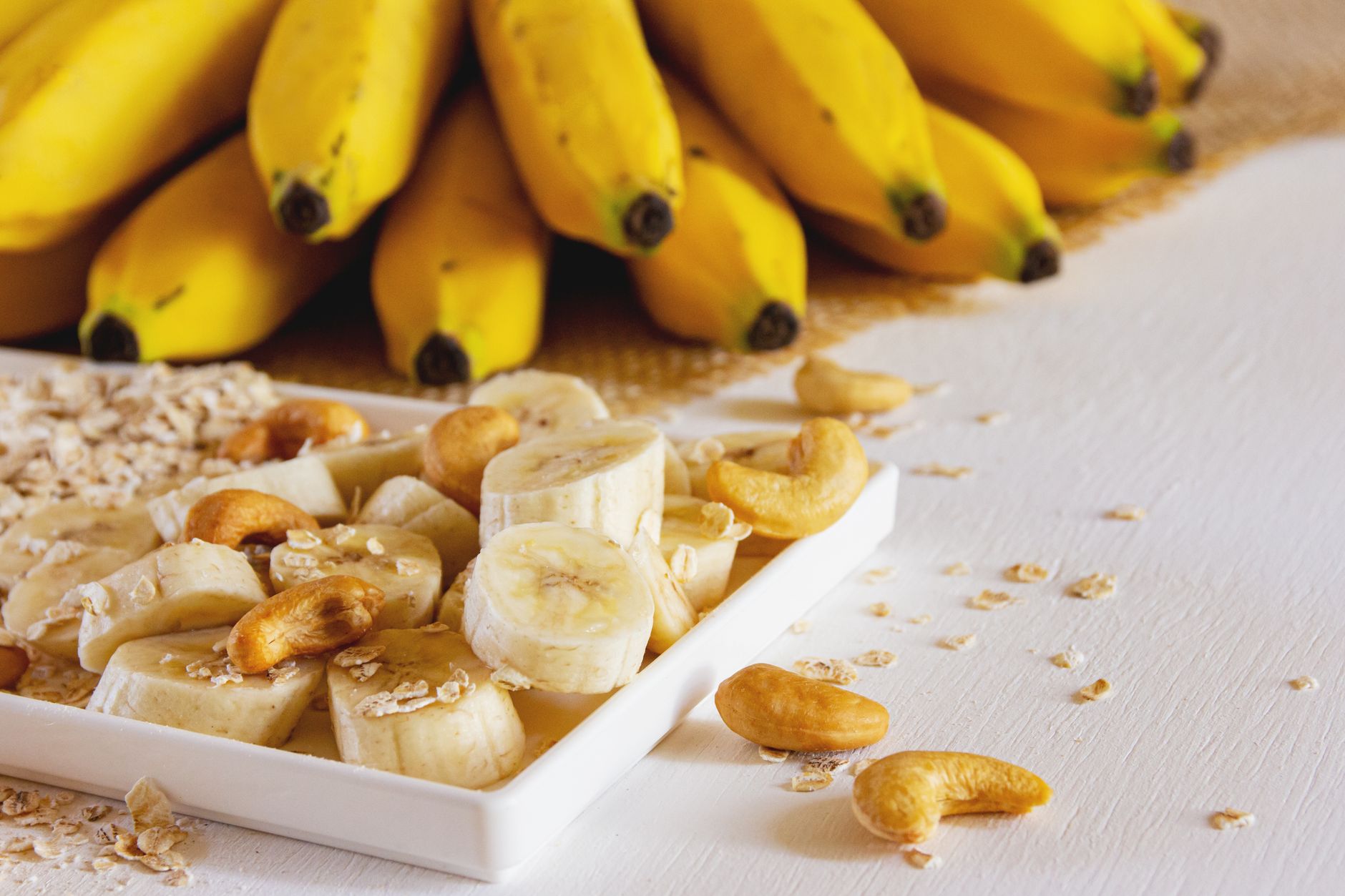
When we think of high-protein foods, fruits often don’t top the list. However, certain fruits can provide surprisingly significant amounts of protein, making them excellent additions to a balanced diet. Discover the fruits richest in protein, how to incorporate them into your meals, and their potential health benefits.
This guide explores the various fruits that can help boost your protein intake, along with tips for maximizing their benefits. You’ll find recipes, serving suggestions, and additional information to help you incorporate these protein-packed fruits into your daily diet.
What Fruit Has The Most Protein?
When seeking a high-protein fruit, guava stands out as one of the richest sources. With around 4.2 grams of protein per cup, guava not only supports protein intake but also offers an array of vitamins and minerals.
Top Protein-Rich Fruits
Here’s a detailed look at the top fruits that provide a significant protein boost:
- Guava: Approximately 4.2 grams of protein per cup. Guava is also high in vitamins C and A, fiber, and antioxidants.
- Avocado: Around 3 grams of protein per cup. Not only is avocado rich in healthy fats, but it also adds creaminess to dishes.
- Blackberries: About 2 grams of protein per cup. High in fiber and antioxidants, blackberries make an excellent snack.
- Oranges: Roughly 1.2 grams of protein per orange. Oranges are well-known for their vitamin C content.
- Peeled Kiwi: Contains 2.1 grams of protein per cup. Kiwi is also a good source of fiber and vitamin C.
How to Incorporate High-Protein Fruits into Your Diet
Adding protein-rich fruits to your meals can enhance flavor, texture, and nutritional value. Here are several practical suggestions for including these fruits in your daily meals:
1. Smoothies
Blend protein-rich fruits like guava and avocado with spinach, yogurt, or protein powder for a nutritious smoothie. A combination not only tastes delicious but also helps you meet your protein needs.
2. Breakfast Bowls
Add guava slices or blackberries to oatmeal or yogurt bowls. The added fruits not only provide protein but also enhance the overall flavor and texture.
3. Salads
Incorporate fruits like kiwi or blackberries into salads. Their natural sweetness contrasts well with savory ingredients, providing a well-rounded flavor profile.
4. Snacks
Enjoy fruits like avocados or guava slices on their own, or pair with nuts for a satisfying snack high in both protein and healthy fats.
Recipes Featuring High-Protein Fruits
Here are two enjoyable recipes that highlight some of the fruits we’ve discussed:
Guava Smoothie
This nutritious guava smoothie is perfect for breakfast or a post-workout snack.
Yield: 2 servings
Preparation Time: 10 minutes
Ingredients:
- 1 cup guava, diced
- 1 banana, sliced
- 1 cup spinach
- 1 cup almond milk (or yogurt)
- 1 tablespoon honey (optional)
Essential Equipment:
- Blender
- Measuring cups
Method:
- In a blender, combine the guava, banana, spinach, and almond milk.
- Blend until smooth and creamy. Add honey if you prefer a sweeter taste.
- Pour into glasses and serve immediately.
Avocado and Berry Salad
This refreshing salad combines protein-rich fruits for a satisfying dish.
Yield: 2 servings
Preparation Time: 15 minutes
Ingredients:
- 1 avocado, sliced
- 1 cup blackberries
- 1 cup spinach or mixed greens
- ¼ cup feta cheese (optional)
- 1 tablespoon olive oil
- 1 tablespoon balsamic vinegar
- Salt and pepper to taste
Essential Equipment:
- Mixing bowl
- Salad serving platter
Method:
- In a mixing bowl, gently fold the spinach, sliced avocado, and blackberries.
- In a small bowl, whisk together olive oil, balsamic vinegar, salt, and pepper.
- Drizzle the dressing over the salad and toss gently to combine.
- Top with feta cheese, if using, and serve.
Potential Health Benefits
Incorporating protein-rich fruits into your diet can provide various health benefits. Here are a few to consider:
- Weight Management: High-protein fruits can help with feelings of fullness, which may assist in maintaining a healthy weight.
- Improved Digestion: Many of these fruits are high in fiber, supporting digestive health.
- Enhanced Nutritional Profile: Fruits like guava and kiwi offer additional vitamins and minerals, supporting overall health.
Storage and Handling Tips
To ensure that your protein-rich fruits remain fresh and flavorful, consider the following storage tips:
- Guava and Kiwi: Store in the refrigerator for up to a week. Allow to ripen at room temperature for a day if they are not yet ripe.
- Avocados: Keep unripe avocados at room temperature; once ripe, store in the fridge to prolong freshness.
- Blackberries: Keep berries refrigerated and consume them within a few days for the best taste and texture.
Common Mistakes to Avoid
When incorporating high-protein fruits into your diet, keep these common mistakes in mind:
- Overripe Fruits: Consuming overly ripe fruits may lead to a less desirable taste and texture. Purchase fruits based on their ripeness.
- Neglecting Combinations: Pairing protein-rich fruits with other food groups can increase overall protein intake. Avoid eating them alone.
Practical Substitutions and Variations
If you can’t find the top protein-rich fruits, here are some suitable substitutions that will still provide a good amount of protein and nutrients:
- For Guava: Consider passion fruit or jackfruit, though they contain slightly less protein.
- For Blackberries: Raspberries are another great option, offering similar health benefits.
- For Avocado: Blended silken tofu can provide a creamy texture with added protein as an alternative.
Final Thoughts
Incorporating protein-rich fruits into your diet can yield numerous nutritional benefits, enhancing your meals and snacks with flavor and texture. Start experimenting with guava, avocado, and other protein-rich fruits today to elevate your nutrition and delight your taste buds.
Explore more right here. Check out our protein cookies recipe or try our chia pudding recipe with coconut milk for additional delicious and protein-packed ideas.