
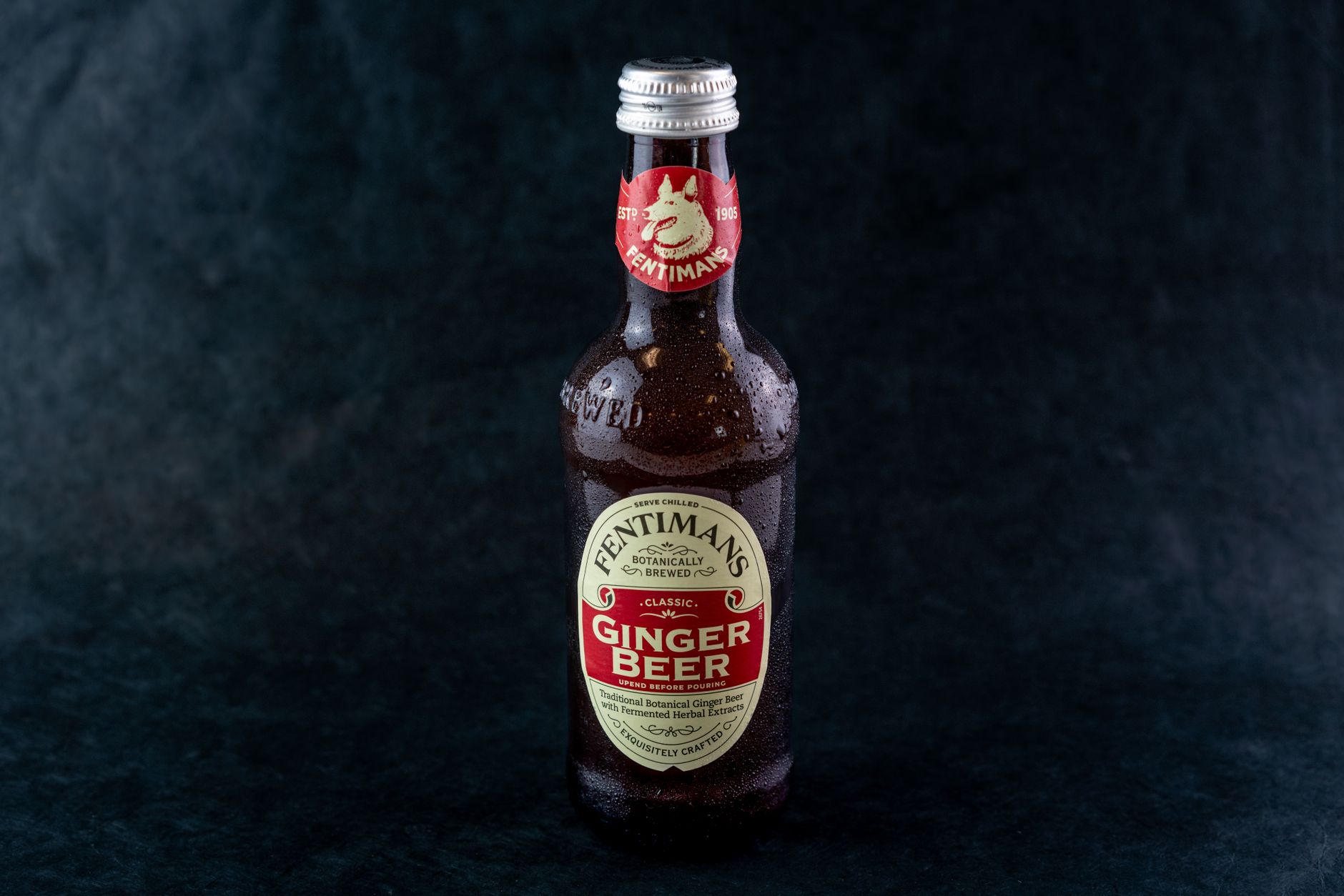
Many people reach for ginger ale when they’re experiencing an upset stomach, believing it can soothe digestive discomfort. But how effective is this popular, fizzy beverage for alleviating symptoms like nausea or bloating? In this article, we will dive into the potential benefits of ginger ale, examine its ingredients, and explore its traditional use as a remedy.
Additionally, we will look at alternatives and other home remedies that may provide relief for an upset stomach, offering a comprehensive overview so you can make an informed choice next time you’re feeling unwell.
Does Ginger Ale Help With Upset Stomach?
Ginger ale may help soothe an upset stomach due to its ginger content, which is known for its anti-nausea and digestive properties. The carbonation in ginger ale can also provide a temporary relief by promoting burping, which may alleviate discomfort from bloating or gas. However, the effectiveness can vary depending on the specific product and the individual’s digestive sensitivities.
What Is Ginger Ale? A Closer Look at Ingredients
Ginger ale is a carbonated soft drink flavored primarily with ginger and sugar or artificial sweeteners. Typically, there are two types of ginger ale:
- Golden Ginger Ale: This has a stronger ginger flavor and is often made with real ginger root. It sometimes has a more complex taste, with spices and botanical flavors.
- Dry Ginger Ale: This is lighter and crisper in flavor, often using less ginger, making it more palatable to those who may not enjoy strong flavors.
Besides ginger, ginger ale often contains:
- Carbonated Water: Provides the fizz and can help with stomach discomfort by promoting burping.
- Sugar or Sweeteners: While sugar can enhance flavor, too much can lead to further digestive issues, especially for people with sensitivities.
- Citric Acid: Sometimes added for tanginess, but it can irritate an already upset stomach in some individuals.
Mechanism of Ginger for Upset Stomach
Ginger has been used for centuries as a natural remedy for various ailments, particularly digestive issues. The active compounds in ginger, such as gingerol and shogaol, are thought to help with nausea and digestive discomfort. Ginger may help by:
- Reducing Nausea: Ginger is commonly recommended for treating motion sickness and nausea related to pregnancy, chemotherapy, or surgery.
- Enhancing Digestion: It may stimulate saliva, bile, and gastric juices, which aid in digestion.
- Reducing Inflammation: Ginger has anti-inflammatory properties that may help soothe an upset stomach.
Traditional Use of Ginger Ale as a Remedy
Historically, ginger ale has been a popular home remedy for digestive issues. Many individuals would sip on ginger ale or ginger tea to alleviate nausea or discomfort. The combination of ginger’s beneficial properties and the carbonation can create a soothing effect for some people.
Does Science Back Ginger Ale’s Effectiveness?
While ginger ale is widely consumed for digestive discomfort, scientific research specifically on ginger ale is limited. However, numerous studies support ginger’s effectiveness in alleviating nausea and digestive issues.
For instance, a systematic review published in the journal PLOS ONE in 2012 highlights that ginger root can reduce nausea and vomiting associated with pregnancy and chemotherapy. The carbonation found in ginger ale also promotes burping, which can provide additional relief from gas, making it a popular choice during digestive troubles.
When Ginger Ale Might Not Be Helpful
While ginger ale can be soothing for some, it is not a one-size-fits-all solution. Here are scenarios where ginger ale might not be effective:
- High Sugar Content: Many commercial ginger ales are high in sugar, which can exacerbate nausea and cause gastrointestinal distress.
- Artificial Ingredients: Some varieties contain artificial flavors, colors, or preservatives, which may not sit well with sensitive stomachs.
- Excessive Carbonation: For some individuals, carbonation can amplify bloating or discomfort rather than alleviate it.
Alternatives to Ginger Ale for Upset Stomach Relief
If ginger ale does not work for you or if you prefer alternatives, consider the following remedies that can also help soothe an upset stomach:
Ginger Tea
Caffeine-free ginger tea is an excellent alternative. Simply steep fresh ginger slices in boiling water for 10 to 15 minutes. This provides a more concentrated dose of ginger and is less likely to have the added sugars or carbonation found in ginger ale.
Chamomile Tea
Chamomile is known for its calming effects and can help with digestive issues. Brew chamomile tea and sip it slowly for relief from cramps or discomfort.
Peppermint Tea
Peppermint is another herb known to relieve digestive distress, particularly bloating and gas. Consuming peppermint tea may relax the digestive tract, leading to relief.
Plain Water or Electrolyte Drinks
Staying hydrated is crucial when dealing with digestive distress. Stick to plain water or electrolyte drinks without added sugars to maintain hydration without irritating the stomach.
Bone Broth
Bone broth is gentle on the stomach and provides nourishment, particularly when one is feeling unwell. It’s loaded with nutrients and easy to digest, making it an effective choice during an upset stomach.
How to Choose the Right Ginger Ale
If you decide to try ginger ale, select products carefully. Look for those that contain real ginger extract and minimal added sugars. Check the ingredients list to avoid artificial additives or high-fructose corn syrup.
Consider purchasing from health food stores or producing your own ginger ale at home using natural ginger syrup. This allows you to control the sweetness and ingredients while still enjoying the fizzy beverage.
Homemade Ginger Ale Recipe
Making ginger ale at home can be a fun and straightforward process. Here’s a simple recipe:
Yield:
Serves 4
Preparation Time:
10 minutes
Cooking Time:
1 hour (for syrup preparation)
Total Time:
1 hour 10 minutes
Ingredients:
- 1 cup fresh ginger, peeled and sliced
- 1 cup sugar (or to taste)
- 4 cups water
- 1/4 cup lemon juice (optional)
- Carbonated water (to taste)
Equipment:
- Medium saucepan
- Strainer
- Glass bottles or jars for storage
Instructions:
- In a medium saucepan, combine the sliced ginger, sugar, and water. Bring it to a boil over medium-high heat.
- Once it reaches a boil, reduce the heat and let it simmer for about 30 minutes.
- Remove from heat and let the syrup cool.
- Once cooled, strain the syrup through a fine sieve into a clean container to remove the ginger pieces.
- To serve, mix the ginger syrup with carbonated water to taste, adding lemon juice if desired.
- Store any leftover syrup in the refrigerator for up to two weeks.
Tips for Homemade Ginger Ale:
- Adjust the sweetness by varying the amount of sugar used.
- Experiment by adding other flavors, such as mint or lime, for variation.
- For a spicier kick, add more ginger to the syrup.
Common Mistakes and Troubleshooting
When making ginger ale, there are a few pitfalls to avoid:
- Using Old Ginger: Ensure your ginger is fresh for the best flavor and medicinal properties.
- Sugar Overload: Too much sugar can lead to digestive issues, which is counterproductive for an upset stomach.
- Skipping the Cooling Step: Allow the ginger syrup to cool before mixing with carbonated water to preserve the fizz.
Storage and Reheating Guidance
Homemade ginger ale syrup can be stored in the refrigerator for up to two weeks. Make sure to keep it in an airtight container to retain its freshness. Do not freeze the syrup, as this may change its texture.
Summary of Key Points
In summary, ginger ale may help some individuals find relief from an upset stomach, primarily due to its ginger content and carbonation. However, it is essential to choose the right type and be cautious of the ingredients.
For those looking for alternatives, consider ginger tea, chamomile tea, or even homemade ginger ale. Understanding your body’s reaction and dietary preferences will help you make the best choice next time you’re feeling under the weather.
For further exploration into the benefits of ginger, check out our ginger syrup recipe and learn more about what ginger is and its culinary uses. Experiment with the flavors and find what works best for your taste buds.