
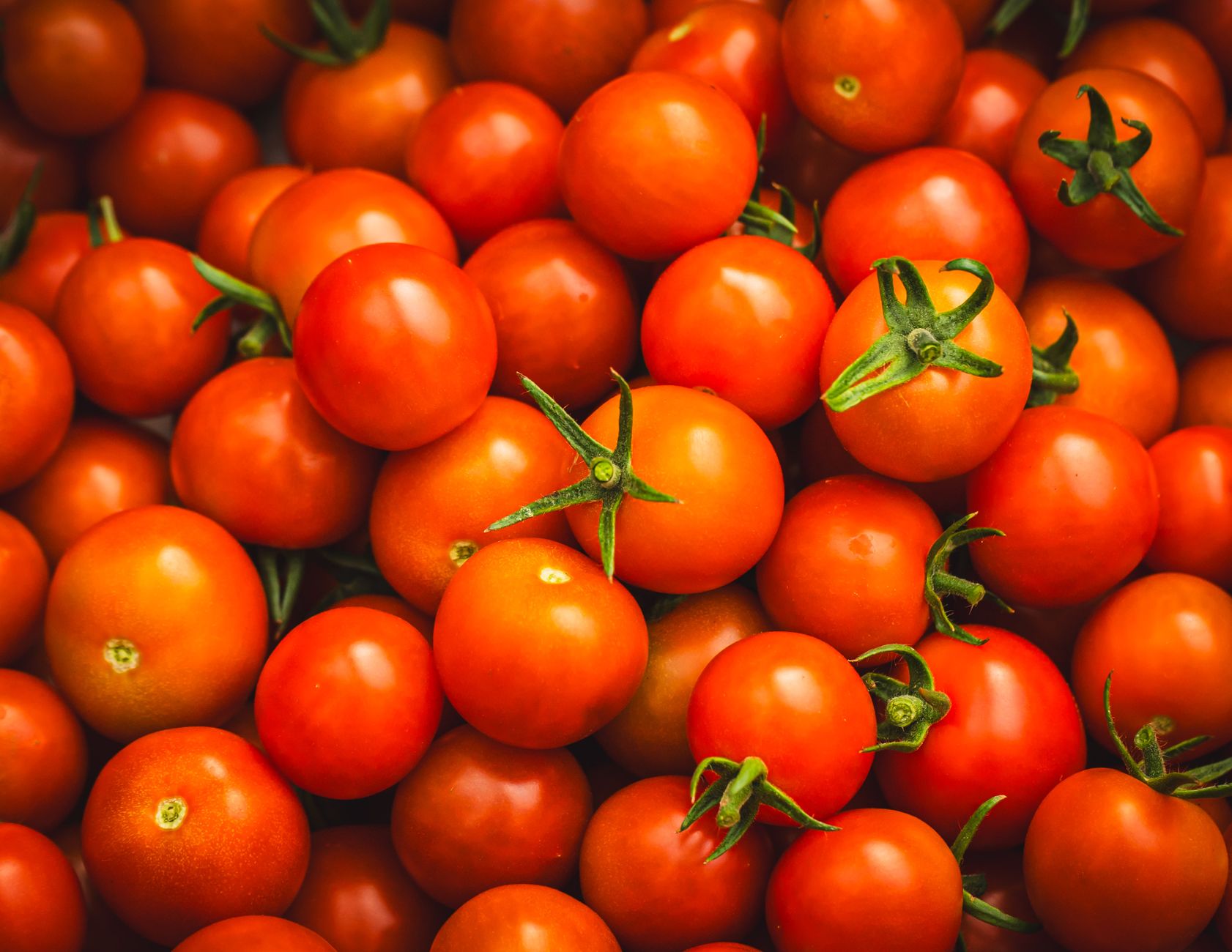
Tomatoes often spark debates about their classification in the culinary world. While commonly mistaken for a vegetable, a tomato is, in fact, a fruit biologically. Understanding this classification not only enriches our knowledge of botany but also enhances culinary practices and choices.
This article delves into why tomatoes are classified as fruits, exploring their anatomy, culinary applications, and practical uses in your kitchen. By the end, you will appreciate this versatile ingredient not just for its taste but also for its botanical significance.
Why Is A Tomato A Fruit?
A tomato is considered a fruit because it develops from the flowering part of the plant and contains seeds. Botanically defined, fruits are the mature ovary of a flower, essential for reproduction. The tomato fits this definition perfectly.
Culinary classifications, however, complicate things. In cooking, tomatoes are usually treated as vegetables due to their savory flavor profile. This dual identity leads to confusion, but in terms of plant biology, tomatoes are undeniably fruits.
The Botany of Tomatoes
To understand why tomatoes are classified as fruits, it’s essential to grasp some basic botany. The tomato (Solanum lycopersicum) belongs to the nightshade family, alongside other fruits and vegetables like eggplants and peppers.
The key characteristics that classify tomatoes as fruits include:
- Origin: They develop from flowers. After pollination occurs, the ovary of the flower matures into the fruit.
- Seeds: Each tomato contains seeds, which are essential for the plant’s reproduction. This characteristic is a classic sign of fruit.
- Ripening: Both tomatoes and other fruits undergo ripening processes, affected by changes in color, texture, and flavor.
Culinary Uses of Tomatoes
Despite their botanical classification, tomatoes are predominantly utilized as vegetables in various culinary applications. Their versatility makes them a staple in cuisines worldwide. Here are some popular ways to use tomatoes:
- Sauces: Tomatoes are the base for many sauces, including marinara and salsa, adding acidity and depth.
- Soups: They serve as the foundation for comforting soups like tomato bisque or minestrone.
- Salads: Fresh tomatoes add vibrant color and flavor to salads, whether sliced, diced, or cherry-sized.
- Roasting: Roasted tomatoes enhance their sweetness and richness, perfect for side dishes or toppings on various meals.
Types of Tomatoes and Their Uses
Tomatoes come in a variety of types, each with unique flavors and uses. Here are some popular varieties:
- Roma Tomatoes: Known for their meaty texture and low moisture content, they are ideal for sauces and pastes.
- Cherry Tomatoes: Small and sweet, these are excellent for snacking, salads, or roasting.
- Beefsteak Tomatoes: Large and juicy, often used in sandwiches and burgers due to their size and flavor.
- Grape Tomatoes: These bite-sized tomatoes are sweet and perfect for snacking or adding to salads.
Practical Cooking Tips with Tomatoes
Incorporating tomatoes into your cooking can enhance flavor and nutrition. Here are some practical tips to get the most out of this fruitful ingredient:
Choosing the Right Tomatoes
When selecting tomatoes, look for:
- Color: Brightly colored tomatoes indicate ripeness. Avoid those with blemishes or dull skin.
- Texture: Choose tomatoes that feel firm yet slightly yielding when gently pressed.
- Aroma: A fragrant aroma at the stem indicates a ripened tomato.
Storing Tomatoes
Proper storage can impact the flavor and texture of tomatoes:
- Store unripe tomatoes at room temperature to allow for ripening.
- Once ripe, keep them in the refrigerator to prolong their shelf life, although this may alter the texture slightly.
- For the best flavor, let refrigerated tomatoes come to room temperature before serving.
Cooking Techniques for Tomatoes
The method of cooking tomatoes can significantly affect their taste and texture. Explore these techniques:
- Raw: Use in salads, salsas, or as garnishes to enjoy their fresh flavor.
- Sautéing: Quickly cook tomatoes over medium heat with oil and seasoning to enhance their natural sweetness.
- Roasting: Roast tomatoes to caramelize their sugars, which intensifies their flavor. Roast at 400°F (200°C) for about 20-30 minutes until they are blistered and soft.
- Stewing: Combine tomatoes with other vegetables or meats and simmer for a hearty dish.
Tomato Recipes to Try
Looking to make the most of your tomatoes? Here are a couple of recipes incorporating this versatile fruit:
Tomato Gravy
This savory tomato gravy pairs wonderfully with biscuits or rice and is simple to make.
- Yield: Approximately 4 servings
- Preparation Time: 10 minutes
- Cooking Time: 20 minutes
- Total Time: 30 minutes
Ingredients:
- 4 medium ripe tomatoes, chopped
- 1 medium onion, finely chopped
- 2 cloves garlic, minced
- 1 tablespoon olive oil
- Salt and pepper to taste
- ¼ teaspoon red pepper flakes (optional)
- Fresh basil for garnish
Method:
- In a skillet, heat olive oil over medium heat.
- Add chopped onion and sauté until translucent, about 5 minutes.
- Add minced garlic and red pepper flakes, cooking for an additional minute until fragrant.
- Stir in the chopped tomatoes, seasoning with salt and pepper.
- Allow to simmer for 10-15 minutes, stirring occasionally, until the mixture thickens.
- Serve warm, garnished with fresh basil.
Homemade Tomato Juice
Fresh tomato juice is a refreshing drink full of flavor and nutrients.
- Yield: About 4 cups
- Preparation Time: 10 minutes
- Cooking Time: None
- Total Time: 10 minutes
Ingredients:
- 6 medium ripe tomatoes, quartered
- 1 teaspoon salt
- 1 tablespoon lemon juice (optional)
Method:
- Place the quartered tomatoes in a blender or food processor.
- Add salt and lemon juice if desired.
- Blend until smooth, then strain through a fine mesh sieve for a smoother texture.
- Chill and serve cold.
Tomato Substitutions
In cooking, if you find yourself without fresh tomatoes, several alternatives can be used:
- Canned Tomatoes: For sauces and stews, canned tomatoes are an excellent substitute. Use about 1 can (14.5 ounces) for every 4 medium fresh tomatoes.
- Tomato Paste: If you’re in a pinch, mix 1 tablespoon of tomato paste with 3 tablespoons of water to substitute for one fresh tomato.
- Sun-Dried Tomatoes: These can add intense flavor and are best used in salads or as toppings. Use sparingly, as they are concentrated in flavor.
Common Mistakes When Cooking with Tomatoes
Understanding some common pitfalls can improve your cooking experience:
- Using Cold Tomatoes: Cold tomatoes lose some flavor; allow them to reach room temperature before using.
- Overcooking: Cooking tomatoes for too long can lead to a mushy texture. Watch for visual cues of doneness.
- Neglecting Seasoning: Tomatoes benefit from seasoning; consider adding salt, pepper, and herbs to enhance their flavor.
Health Benefits of Tomatoes
Tomatoes are not only delicious but also packed with nutrients. Here are some benefits:
- Rich in Vitamins: Tomatoes are a great source of Vitamin C, potassium, and folate.
- Antioxidants: They contain lycopene, a powerful antioxidant linked to numerous health benefits.
- Low in Calories: With only 18 calories per 100 grams, tomatoes are a great addition to a balanced diet.
Conclusion
Understanding why tomatoes are classified as fruits can enhance your culinary experiences and ingredient choices. Whether you use them in sauces, salads, or juices, embracing tomatoes will enrich your dishes with their vibrant flavor and health benefits.
Explore the world of cooking with tomatoes further by trying out fresh creations like tomato juice or savor a hearty tomato gravy.