
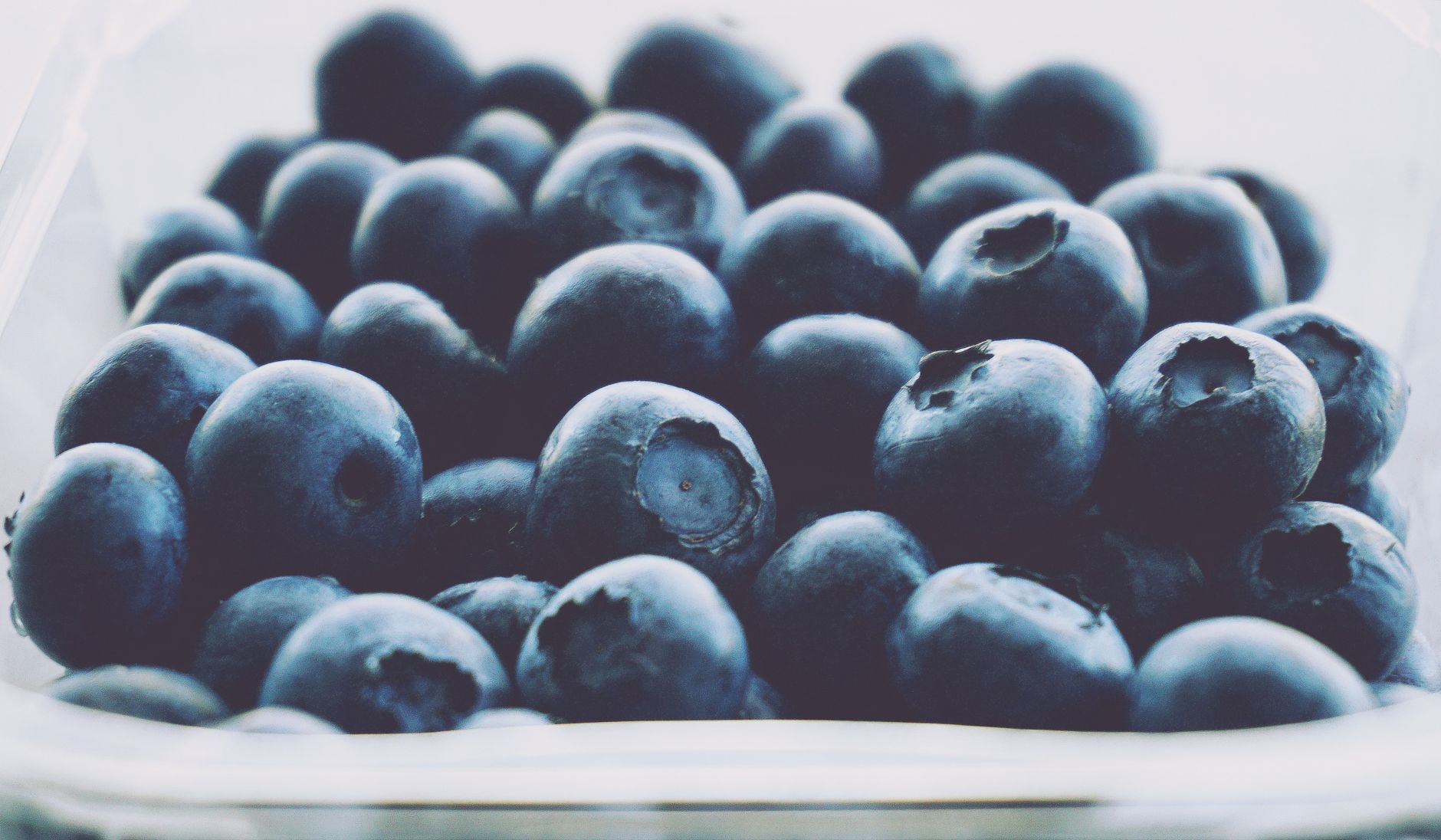
Blueberries are not just delicious; they are also packed with nutrients and antioxidants, making them a fantastic addition to your daily diet. But many people wonder: how many blueberries should I eat a day to reap the benefits? This article dives into the ideal portion sizes, nutritional advantages, and practical ways to incorporate blueberries into your meals.
Determining the right amount of blueberries can depend on various factors, such as dietary preferences, overall health, and personal goals. This article will help guide you to understand the appropriate quantity and how to enjoy these little bursts of flavor in various ways.
How Many Blueberries Should I Eat A Day?
The general recommendation for blueberry consumption is about one cup (approximately 150 grams) daily to enjoy most of their health benefits. Consuming this amount can help improve heart health, enhance cognitive function, and provide ample antioxidants.
Nutritional Profile of Blueberries
Understanding the nutritional components of blueberries can help contextualize their benefits and justify the recommended daily intake.
- Calories: About 85 calories per cup
- Carbohydrates: Approximately 21 grams
- Fiber: 4 grams
- Sugars: 15 grams
- Protein: 1 gram
- Fat: 0.5 grams
- Vitamin C: 24% of the daily value
- Vitamin K: 36% of the daily value
- Manganese: 25% of the daily value
Health Benefits of Blueberries
Blueberries have been studied for various health benefits, making them a great option to include in your daily diet. Here are a few notable benefits:
Rich in Antioxidants
Blueberries are particularly high in antioxidants, which help combat oxidative stress in the body. This can lead to lower risks of chronic diseases, including cancer and heart disease.
Support Heart Health
Regular blueberry consumption is linked to reduced blood pressure and improved cholesterol levels. A study showed eating three to five servings of blueberries per week might reduce the risk of heart disease.
Enhance Brain Function
Some studies suggest that blueberries improve memory and cognitive function, making them a powerful food for brain health, especially for older adults.
Boost Immune System
The high vitamin C content in blueberries aids in strengthening the immune system, helping fend off colds and other infections.
Incorporating Blueberries Into Your Daily Diet
Now that you know how many blueberries to eat, let’s explore various ways to incorporate them into your meals.
Breakfast Ideas
- Blueberry Smoothie: Blend a banana, a cup of blueberries, a cup of spinach, and a cup of almond milk for a refreshing smoothie.
- Oatmeal Topping: Add a handful of blueberries to your morning oatmeal, along with nuts and a drizzle of honey.
- Pancakes: Stir fresh blueberries into your pancake batter for a fruity breakfast treat.
Snack Options
- Yogurt Parfait: Layer blueberries in Greek yogurt with granola for a satisfying snack.
- Trail Mix: Combine dried blueberries with nuts and seeds for a healthy on-the-go snack.
Salads and Main Courses
Blueberries can also brighten up salads and main dishes:
- Summer Salad: Toss spinach, feta, walnuts, and blueberries for a refreshing salad.
- Sauce or Glaze: Cook blueberries down for a sauce to drizzle over grilled chicken or pork.
Are There Any Risks or Considerations?
While blueberries are generally safe to eat, consuming them in excessive amounts may lead to increased calorie intake or gastrointestinal discomfort due to their fiber content. Additionally, those on certain medications (e.g., blood thinners) should consult their physician, as blueberries can interact with these medications.
Finding the Right Balance
Determining how many blueberries you should consume may also depend on your overall diet, lifestyle, and health conditions. Generally speaking, starting with one cup daily is a good goal. However, personalization is key.
For Weight Management
If you’re trying to manage your weight, blueberries can be a great low-calorie snack. Pairing them with protein-rich foods like Greek yogurt can keep you full while satisfying your sweet cravings.
For Athletes and Active Individuals
Those who are physically active can benefit from a higher intake of blueberries due to their high antioxidant properties, aiding in recovery and reducing muscle soreness.
Maximizing Freshness and Quality
How to Choose Fresh Blueberries
Choosing the right blueberries can enhance your eating experience. Here are several tips:
- Look for berries that are plump and firm, with a deep blue color.
- Avoid any that are shriveled or have a dull appearance, as this may indicate overripeness.
- Frosted or powdery appearance is normal; this is a natural protective coating.
How to Store Blueberries
Proper storage can help maintain the quality of your blueberries:
- Store fresh blueberries in the refrigerator unwashed in their original container for up to one week.
- If you wash them, dry them thoroughly and consume them within a few days.
- For long-term storage, freeze blueberries in a single layer on a baking sheet before transferring them to an airtight container.
Can You Eat Too Many Blueberries?
While blueberries are nutritious, moderation is essential. For most people, one cup per day is sufficient. Eating too many may lead to gastrointestinal discomfort or affect blood sugar levels if combined with high-glucose foods.
Blueberry Recipes to Try
Here are three simple recipes to help you incorporate blueberries into your daily diet:
Blueberry Muffins
Soft, fluffy, and bursting with flavor, these blueberry muffins can be an excellent breakfast option.
- Ingredients:
- 1 cup all-purpose flour
- 1 tsp baking powder
- 1/2 tsp baking soda
- 1/4 cup sugar
- 1/2 cup unsalted butter, melted
- 2/3 cup buttermilk
- 1 cup fresh blueberries
- Preheat the oven to 375°F (190°C). Line a muffin tin with paper liners.
- In a bowl, mix flour, baking powder, baking soda, and sugar.
- In another bowl, whisk melted butter and buttermilk. Gradually combine with dry ingredients.
- Gently fold in blueberries. Fill the muffin cups 3/4 full.
- Bake for about 20-25 minutes or until a toothpick comes out clean.
Blueberry Chia Pudding
This healthy, no-cook dessert is simple, nutritious, and delightful.
- Ingredients:
- 1/4 cup chia seeds
- 1 cup almond milk
- 1 tbsp maple syrup (optional)
- 1 cup blueberries
- In a jar, combine chia seeds, almond milk, and maple syrup (if using).
- Stir well and let it sit for 10 minutes, then stir again to prevent clumping.
- Refrigerate for at least two hours or overnight.
- When ready to serve, layer with blueberries on top.
Blueberry Smoothie Bowl
This vibrant and nourishing breakfast option provides an energy boost for your day.
- Ingredients:
- 1 cup frozen blueberries
- 1 banana
- 1 cup almond milk
- 1 tbsp almond butter
- Toppings: sliced fruits, granola, and seeds
- Blend blueberries, banana, almond milk, and almond butter until smooth.
- Pour into a bowl and decorate with your choice of toppings.
Final Thoughts
Blueberries in moderation, ideally one cup per day, can deliver numerous health benefits while being versatile in various dishes. By incorporating them into your meals, you can enjoy their flavor and nutritional value. Explore the different recipes and ideas mentioned to make the most out of this delightful fruit.
For more information on blueberries, check out our articles on how many blueberries in a serving and how long do blueberries last. These resources can help enhance your understanding of this fantastic fruit!