
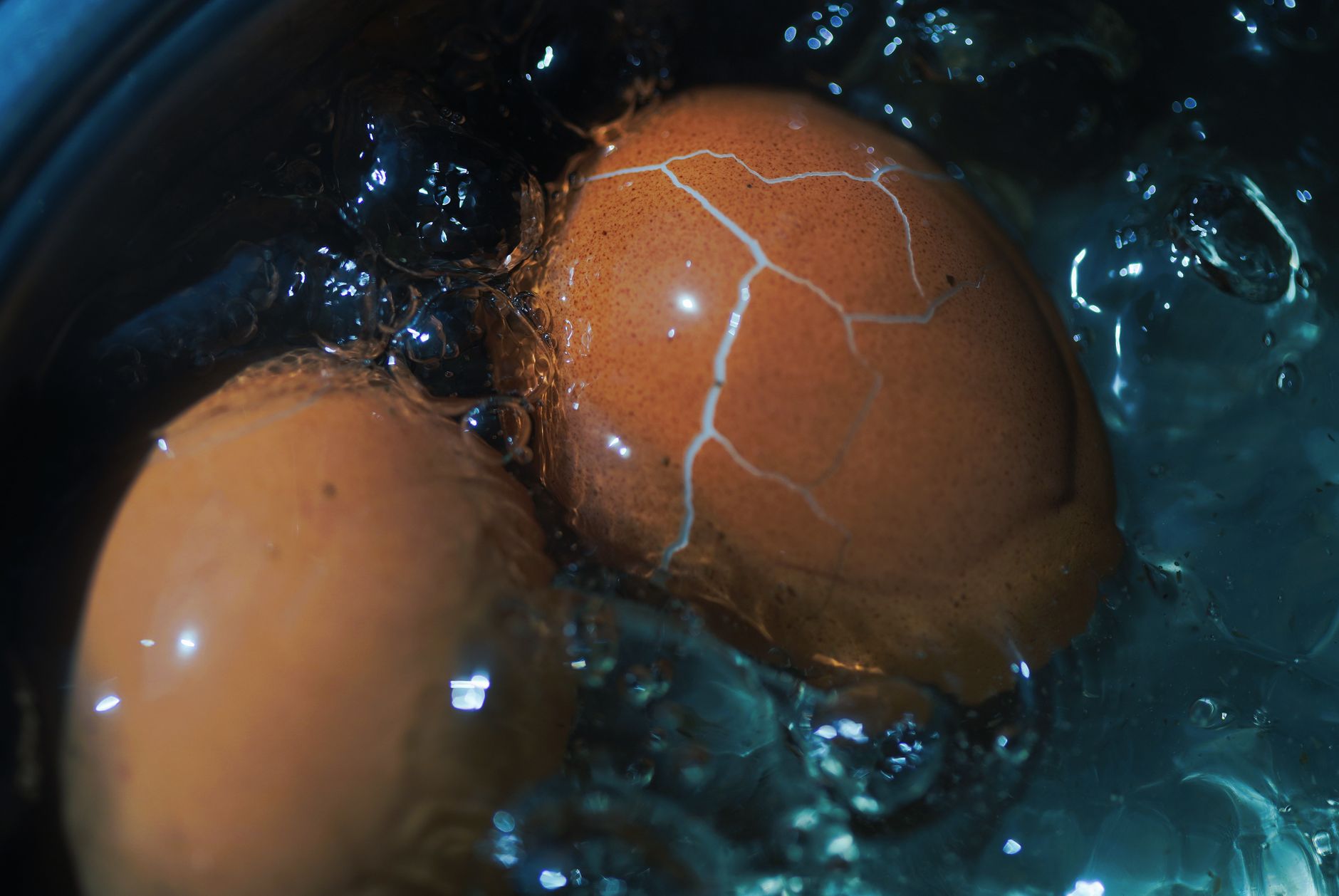
Hard boiled eggs are a versatile and convenient food that can be enjoyed on their own or incorporated into various dishes. However, knowing how long they remain safe to eat is essential to avoid foodborne illnesses and to ensure that the eggs maintain their quality. This article will provide you with comprehensive information about the shelf life of hard boiled eggs, their storage guidelines, and tips for maximizing their freshness.
Whether you’re meal prepping for the week or just made a batch for a picnic, it’s important to understand how long hard boiled eggs are good for. We’ll cover everything from proper cooking techniques to best practices for storing them, so you can enjoy your hard boiled eggs worry-free.
How Long Are Hard Boiled Eggs Good?
Hard boiled eggs are generally good for one week when stored in the refrigerator. This time frame applies whether the eggs are peeled or unpeeled, but there are differences in how long each type retains its quality. Proper storage methods play a crucial role in maintaining their freshness.
Factors Affecting Shelf Life
Several factors can influence how long hard boiled eggs stay fresh and safe to eat: temperature, storage method, and whether they are peeled or unpeeled. Understanding these factors will help you manage your hard boiled egg inventory more effectively.
Temperature
The temperature at which hard boiled eggs are stored significantly impacts their shelf life. Eggs should be kept in the refrigerator at a consistent temperature of 40°F (4°C) or lower. Fluctuating temperatures can cause condensation on the eggs, promoting bacterial growth.
Storage Method
How you store hard boiled eggs plays a key role in their longevity. Eggs can be stored in their shells or peeled. Here are some specific guidelines:
- Unpeeled: Storing hard boiled eggs in their shells is the best option, as the shell provides a natural barrier against bacteria and helps retain moisture.
- Peeled: Peeled hard boiled eggs should be stored in a sealed container with a damp paper towel to help maintain moisture and prevent them from drying out.
Peeled vs. Unpeeled
Unpeeled hard boiled eggs tend to stay fresh longer than peeled ones due to the protective shell. If you plan to eat hard boiled eggs over the course of a week, consider leaving them unpeeled until just before consumption. Once peeled, consume them within two days for the best quality.
Signs of Spoilage
It’s essential to recognize the signs that may indicate spoilage or that the eggs are no longer good to eat. Here are some key signs to look out for:
- Off odor: A sulfur or rotten smell is a strong indicator that the eggs have spoiled.
- Discoloration: If you notice any unusual discoloration, such as gray or green spots on the egg white or yolk, it’s best to discard the egg.
- Texture changes: If the white or yolk becomes slimy or excessively dry, this may indicate spoilage.
Storage Tips for Hard Boiled Eggs
To extend the shelf life of hard boiled eggs, follow these practical storage tips:
- Refrigerate Promptly: After cooking, place the eggs in the refrigerator within two hours to prevent bacterial growth.
- Keep in the Original Carton: Storing hard boiled eggs in their original carton helps protect them from absorbing strong odors in the fridge.
- Labeling: Consider labeling your hard boiled eggs with the date they were cooked to keep track of their freshness.
How to Properly Cook Hard Boiled Eggs
Achieving the perfect hard boiled egg starts with the cooking process. Follow these steps for reliable results:
Ingredients Needed
- Eggs (as many as desired)
- Water
Essential Equipment
- Large saucepan or pot
- Slotted spoon
- Ice bath (bowl filled with ice and water)
Cooking Method
- Place eggs in a single layer in the bottom of a saucepan.
- Add enough cold water to the pot to cover the eggs by at least an inch.
- Set the pot on the stove over high heat and bring the water to a boil.
- Once boiling, cover the pot with a lid and remove it from heat. Let the eggs sit covered for about 9-12 minutes, depending on the size of the eggs and your desired doneness.
- Prepare an ice bath while the eggs are cooking by filling a large bowl with ice and water.
- Once the cooking time is complete, transfer the eggs into the ice bath using a slotted spoon. This will stop the cooking process and make peeling easier.
- Let the eggs cool in the ice bath for at least 5 minutes before peeling or storing.
Peeling Hard Boiled Eggs
Peeling hard boiled eggs can be tricky, but these tips can make the process easier:
- Cool Eggs: Make sure the eggs are completely cooled before attempting to peel them.
- Crack and Roll: Gently tap the egg to crack the shell all over, then roll it between your hands to help loosen the shell.
- Under Water: Peeling the egg under cold running water can help remove small bits of shell and make the process smoother.
Best Uses for Hard Boiled Eggs
Hard boiled eggs can be enjoyed in various ways. Here are some popular options:
- Salads: Chopped hard boiled eggs add protein and texture to salads, such as Cobb salad or potato salad.
- Deviled Eggs: A classic appetizer made by mashing egg yolks with mayonnaise, mustard, and seasonings, then filling the egg whites.
- Breakfast Bowls: Add sliced hard boiled eggs to breakfast bowls for a nutritious start to your day.
- Snacks: Enjoy hard boiled eggs on their own with a pinch of salt or dip them in salsa or hot sauce for extra flavor.
Common Mistakes to Avoid
When preparing hard boiled eggs, avoid these common pitfalls:
- Overcooking: Cooking eggs for too long can lead to a rubbery texture and a green ring around the yolk due to sulfur reactions.
- Skipping the Ice Bath: Not cooling the eggs quickly can result in a cloudy appearance and difficulty peeling.
- Improper Storage: Failing to refrigerate promptly or not storing them correctly can lead to spoilage.
How Long Are Hard Boiled Eggs Good: Final Thoughts
Hard boiled eggs are a nutritious and convenient addition to your meal prep. When properly cooked and stored, they can last for about a week in the refrigerator. Always check for signs of spoilage, and consider keeping them unpeeled until you’re ready to eat. Keep these tips in mind to ensure your hard boiled eggs remain fresh and safe for consumption.
For a deeper dive into egg storage, check out articles on how long you can keep eggs in the refrigerator and how long eggs last after the sell-by date at how long can you keep eggs in the refrigerator and how long eggs last after the sell-by date.