
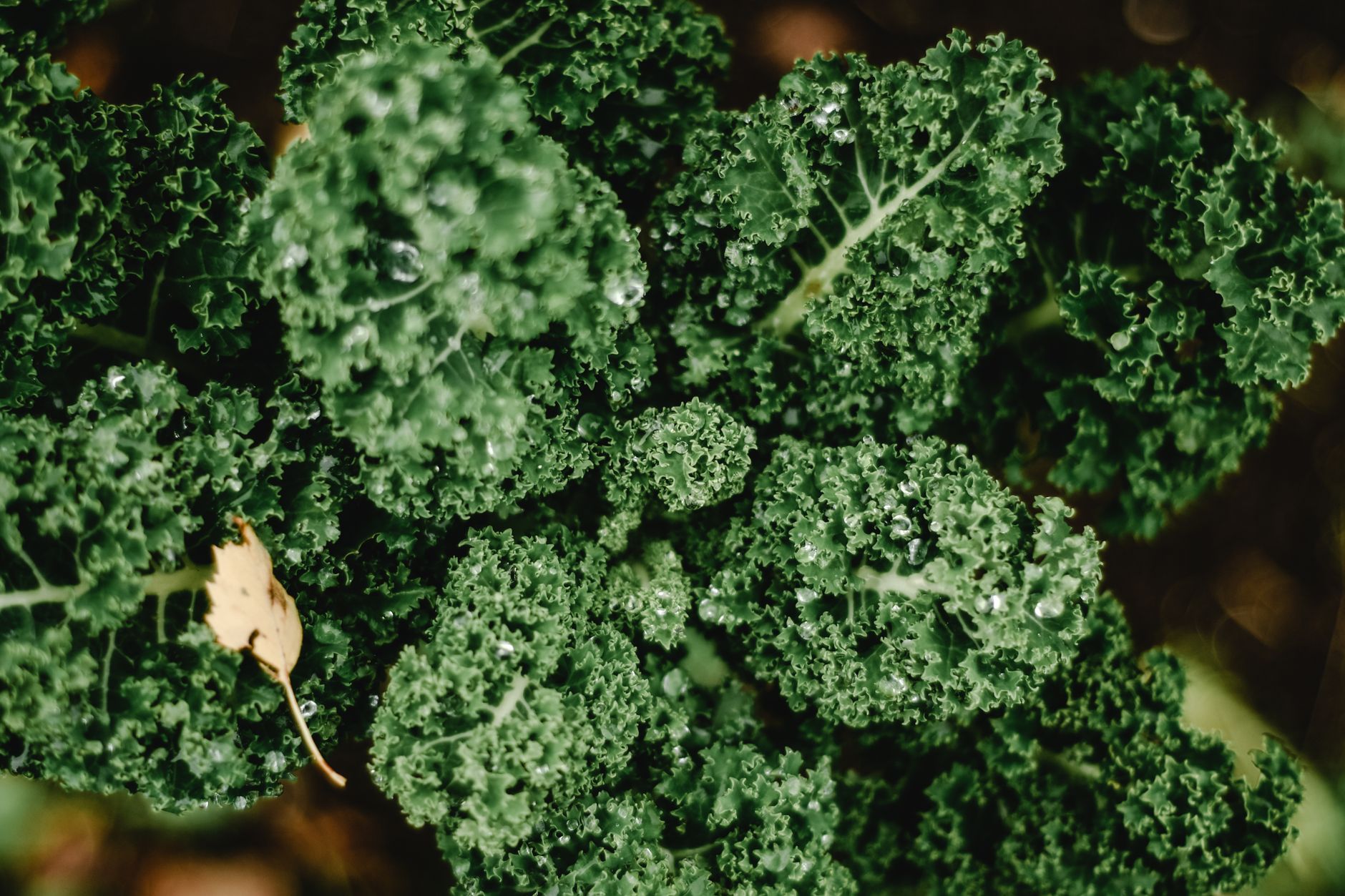
Kale has become a prominent superfood in human diets, but many dog owners also wonder if it’s a safe and beneficial addition to their furry friends’ meals. Packed with essential nutrients, kale could potentially be a healthy dog treat. However, its suitability can depend on various factors.
This article will explore kale’s benefits and risks for dogs, how to prepare it safely, and the appropriate serving sizes to ensure your pet enjoys this leafy green without any adverse effects. By the end, you will have a comprehensive understanding of whether kale is a good fit for your dog’s diet.
Is Kale Good for Dogs?
Kale, a leafy green vegetable, can be a healthy addition to your dog’s diet when prepared properly. Rich in vitamins A, C, and K, as well as calcium and antioxidants, kale can provide various health benefits. However, it’s crucial to understand the potential risks, particularly regarding its oxalate content, which can lead to kidney issues in some dogs.
Health Benefits of Kale for Dogs
Kale offers several health benefits for dogs, making it a worthwhile consideration if you want to diversify your pet’s diet. Here are some notable benefits:
- Rich in Nutrients: Kale is packed with vitamins A, C, K, and B6, as well as minerals like calcium, potassium, and magnesium, supporting overall health.
- Antioxidant Properties: The antioxidants in kale may help reduce inflammation and protect your dog’s cells from damage.
- Digestive Health: Kale is high in fiber, which can promote healthy digestion when fed in moderation.
- Low-Calorie Snack: As a low-calorie food, kale can be a great snack for dogs that need to maintain a healthy weight.
- Supports Immunity: The vitamins and antioxidants found in kale can help bolster your dog’s immune system.
Risks of Feeding Kale to Dogs
While kale has many health benefits, there are also risks to be aware of:
- Oxalate Content: Kale contains oxalates, which can interfere with calcium absorption and may contribute to kidney stone formation in susceptible dogs.
- Gastrointestinal Upset: Some dogs might experience digestive issues, such as gas or diarrhea, particularly if not used to leafy greens.
- Thyroid Issues: Kale is a cruciferous vegetable that can inhibit thyroid function in large amounts. Moderation is key.
How to Prepare Kale for Your Dog
To safely incorporate kale into your dog’s diet, consider the following preparation methods:
Selecting Fresh Kale
Choose organic kale when possible to minimize pesticide residue. Look for tender, vibrant leaves without signs of wilting or browning.
Washing and Cooking Kale
- Wash: Rinse the kale thoroughly under running water to remove dirt or insects.
- Remove Stems: Tear off the tough stems since they can be difficult for dogs to digest.
- Cook (Optional): Cooking kale can make it easier for dogs to digest. Steaming is a good option as it preserves nutrients.
- Chop: Finely chop the kale to make it easier for your dog to eat and reduce choking hazards.
How Much Kale Can You Feed Your Dog?
The amount of kale suitable for your dog depends on their size and overall health. A general guideline is:
- Small Dogs: 1-2 small leaves, finely chopped.
- Medium Dogs: 2-3 leaves, finely chopped.
- Large Dogs: 3-4 leaves, finely chopped.
- Introduce Gradually: If your dog has never had kale before, start with a small amount to monitor how they react.
Signs of Adverse Reactions
When introducing kale or any new food to your dog’s diet, keep an eye out for any adverse reactions, including:
- Vomiting
- Diarrhea
- Lethargy
- Excessive gas
If you notice any of these symptoms, it’s best to consult your veterinarian.
Ideas for Serving Kale to Your Dog
There are several creative ways to include kale in your dog’s diet:
- Kale Treats: Make homemade dog treats by incorporating finely chopped cooked kale into your dog’s favorite biscuit recipe.
- Kale Smoothie: Blend cooked kale with a small amount of plain yogurt or pumpkin for a nutrient-rich smoothie treat.
- Topper for Meals: Use chopped kale as a healthy topper for your dog’s regular food to enhance nutrition.
- Mix with Other Vegetables: Combine kale with other dog-friendly vegetables like carrots or peas for variety and nutrition.
Common Mistakes When Feeding Kale to Dogs
To ensure your dog benefits from kale without any adverse effects, avoid the following common mistakes:
- Overfeeding: Kale should be treated as an occasional treat or supplement, not a main component of your dog’s diet.
- Ignoring Symptoms: Always monitor your dog for any signs of discomfort or allergies after introducing kale.
- Feeding Raw Kale in Excess: Dogs can digest cooked greens more easily than raw ones, which may lead to digestive issues when fed in large amounts.
Consult Your Veterinarian
Before adding kale to your dog’s diet, especially if your pet has underlying health conditions, consult your veterinarian. They can provide personalized advice based on your dog’s specific health needs.
Alternatives to Kale
If your dog is sensitive to kale or you prefer to offer variety, consider these alternatives that provide similar nutritional benefits:
- Spinach: Another nutrient-dense green, spinach can be offered in moderation.
- Collard Greens: High in fiber and vitamins, collard greens can be a healthy option as well.
- Green Beans: A great low-calorie snack, green beans are safe and nutritious for dogs.
- Broccoli: Rich in vitamins, broccoli can be given in small amounts but watch for digestive issues.
Final Thoughts on Kale for Dogs
Kale can be a beneficial addition to your dog’s diet when prepared and served properly. Understanding its risks and how to incorporate it safely is essential. Always approach new foods like kale with caution, introduce them slowly, and prioritize your dog’s health by consulting your veterinarian.
Offering the right foods can enhance your dog’s health and add variety to their meals, so feel free to explore other nutritious options, too.
For more information about other dog-friendly foods, you might want to know if kale has fiber or if dogs can eat cheddar cheese safely. Discover all of this and more with our articles on fiber content in kale and cheddar cheese for dogs.