
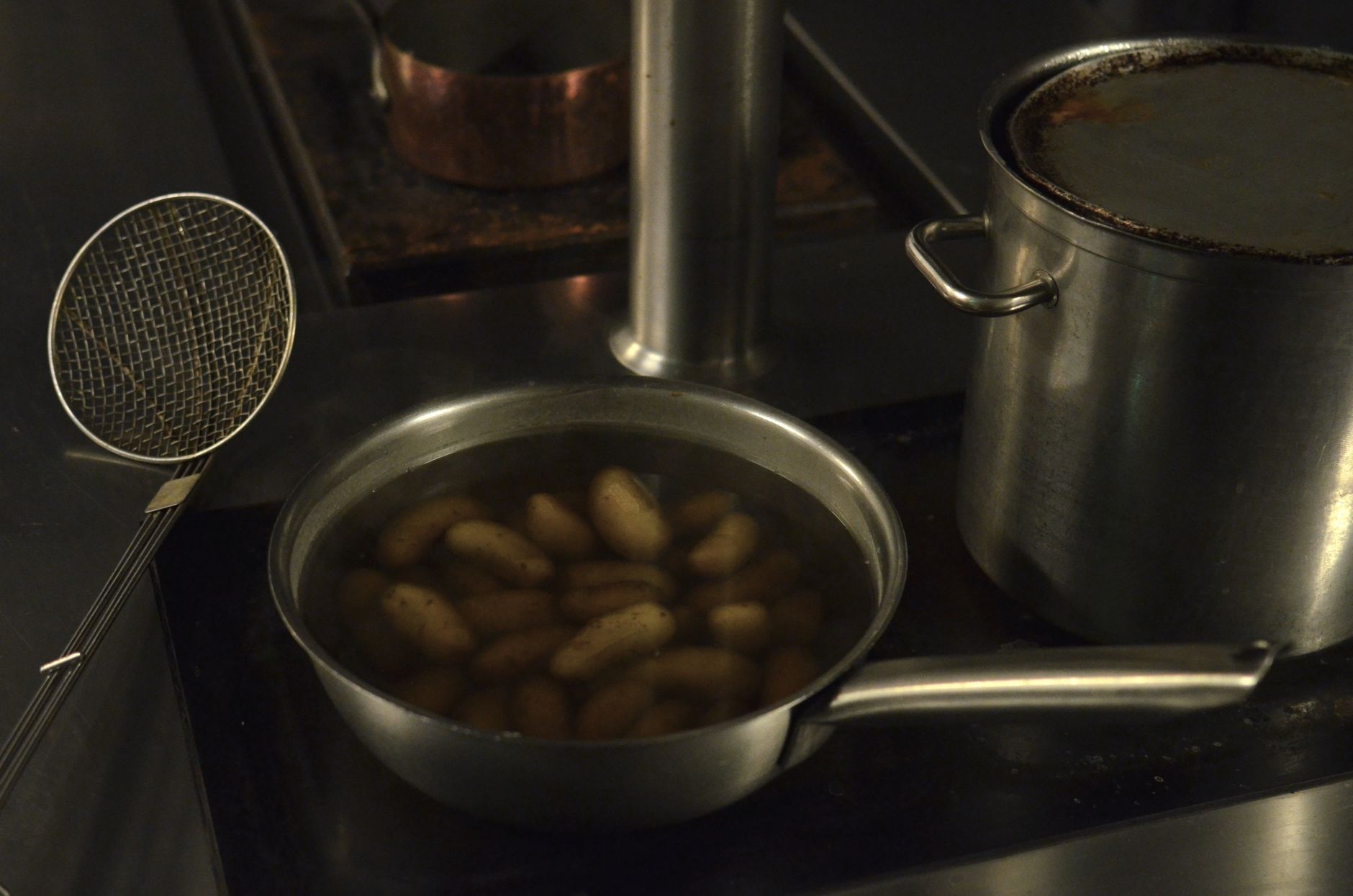
Boiling potatoes is a fundamental cooking technique that can transform this versatile vegetable into various delicious dishes. Whether you’re making mashed potatoes, potato salad, or preparing them for roasting, knowing how long to boil potatoes is essential for achieving the perfect texture and flavor.
In this article, we will explore the details of boiling potatoes, including the recommended cooking times based on potato type and size, as well as tips on how to prepare and serve them. With this knowledge, you’ll gain confidence in your kitchen and master the art of boiling potatoes.
How Long Do I Boil Potatoes?
The time required to boil potatoes depends on several factors, including the size and type of potato. Generally, cubed potatoes take about 10 to 15 minutes to boil, while whole potatoes can take between 20 to 30 minutes. It’s essential to test for doneness by pricking them with a fork or knife.
Understanding Different Potato Types
Before diving into boiling times, it’s important to understand the different types of potatoes and their culinary uses.
1. Starchy Potatoes
These potatoes are high in starch and low in moisture, making them ideal for baking and mashing. Examples include:
- Russet Potatoes
- Idaho Potatoes
Starchy potatoes become fluffy when cooked and are perfect for dishes like mashed potatoes and baked potato recipes.
2. Waxy Potatoes
Waxy potatoes hold their shape well when cooked, making them suitable for salads and soups. Examples include:
- Red Potatoes
- New Potatoes
They have a smooth, creamy texture and are excellent when boiled.
3. All-Purpose Potatoes
These potatoes fall between starchy and waxy, making them versatile for many dishes. Examples include:
- Yukon Gold Potatoes
They work well for mashing, roasting, and boiling.
Preparation Steps Before Boiling Potatoes
Proper preparation before boiling ensures even cooking and enhances the flavors of your dish.
1. Selection and Washing
Choose potatoes that are firm, without blemishes or soft spots. Rinse them under cold water to remove dirt. For larger potatoes, peel if necessary; otherwise, you can leave the skins on for added texture and nutrition.
2. Cutting Potatoes
Cutting your potatoes into uniform sizes helps them cook evenly. Generally, 1-inch cubes are recommended for quicker boiling. If boiling whole potatoes, opt for smaller sizes.
Step-by-Step Guide to Boiling Potatoes
Follow these precise steps for boiling potatoes successfully.
- Place the Potatoes in a Pot: Add the prepared potatoes to a large pot.
- Add Cold Water: Fill the pot with cold water, ensuring the potatoes are completely submerged by at least an inch.
- Add Salt: Add 1 to 2 teaspoons of salt for flavor.
- Bring to a Boil: Place the pot on the stove over high heat and bring the water to a rapid boil.
- Reduce Heat: Once boiling, reduce the heat to medium or medium-low to maintain a gentle boil.
- Cook for the Appropriate Time: Refer to the cooking times below based on the type and size of your potatoes.
- Test for Doneness: Use a fork or knife to pierce the potatoes; they should be tender but not falling apart.
- Drain and Cool: Once cooked, carefully drain the potatoes in a colander and let them steam dry briefly.
- Serve as Desired: Incorporate into your recipe or serve them simply with butter and herbs.
Boiling Times for Different Potato Types and Sizes
The boiling time varies depending on the type and size of potato. Here are general guidelines:
| Type of Potato | Preparation Style | Boiling Time (minutes) |
|---|---|---|
| Russet Potatoes | Whole | 25-30 |
| Russet Potatoes | Cubed | 15-20 |
| Waxy Potatoes | Whole | 15-20 |
| Waxy Potatoes | Cubed | 10-15 |
| Yukon Gold Potatoes | Whole | 20-25 |
| Yukon Gold Potatoes | Cubed | 15-20 |
Common Mistakes When Boiling Potatoes
Even the simplest techniques can yield mistakes if not mindful. Here are common pitfalls to avoid.
1. Starting with Hot Water
Always start with cold water to ensure even cooking. Adding potatoes to boiling water can lead to uneven cooking.
2. Overcrowding the Pot
Overcrowding can lead to uneven cooking. Use a pot that allows enough room for potatoes to be submerged without crowding.
3. Under-seasoning the Water
Salt enhances the flavor of potatoes. Don’t skip or skimp on salting the boiling water.
Serving Suggestions for Boiled Potatoes
Boiled potatoes are incredibly versatile and can be enjoyed in many forms. Here are a few serving suggestions:
- Mashed Potatoes: Mash boiled potatoes with butter, cream, and seasonings.
- Potato Salad: Mix boiled potatoes with mayonnaise, mustard, and fresh herbs for a classic potato salad.
- Herbed Boiled Potatoes: Toss boiled potatoes with butter, olive oil, and fresh herbs for a simple side dish.
- Roasted Potatoes: After boiling, toss the potatoes with oil and spices, then roast until crispy.
Make-Ahead Tips for Boiled Potatoes
Boiled potatoes can be prepped ahead of time for convenience. Here’s how:
1. Boiling Ahead
You can boil potatoes a day in advance. Allow them to cool, then store them in an airtight container in the refrigerator. When ready to use, simply reheat in hot water or microwave.
2. Freezing Boiled Potatoes
Boiled potatoes can be frozen. Cool completely, then freeze in a single layer on a baking sheet before transferring to a freezer bag. Keep in mind that freezing may change their texture, so they are best used for soups or casseroles.
Storage and Reheating Guidelines
Proper storage and reheating ensure that boiled potatoes retain their flavor and texture.
1. Refrigeration
Store boiled potatoes in an airtight container in the refrigerator for up to 3-5 days. They may lose some texture over time but should remain safe to eat.
2. Reheating
Reheat boiled potatoes in the microwave, on the stovetop, or by placing them in hot water. If reheating in the oven, add a drizzle of oil and cover with foil to keep moisture in.
Exploring Variations on Boiled Potatoes
There are many ways to elevate your boiled potatoes with various flavors and techniques.
1. Add Aromatics
While boiling, consider adding garlic cloves or bay leaves to the water for an aromatic infusion.
2. Try Different Fats
Experiment with different fats, such as olive oil or ghee, while mixing in your preferred seasonings after boiling.
3. Flavorful Broths
Boil your potatoes in vegetable or chicken broth instead of water for added depth of flavor.
FAQs About Boiling Potatoes
Here are some common questions related to boiling potatoes, along with their answers.
1. Can you boil potatoes with the skin on?
Yes, boiling potatoes with the skin on can help retain nutrients and prevent them from becoming waterlogged. Just be sure to wash them thoroughly.
2. How can I tell when my potatoes are done?
Potatoes are done when they can be pierced easily with a fork or knife. They should be tender but not mushy.
3. Do different types of potatoes require different cooking times?
Yes, different types of potatoes have varying starch contents and densities, leading to different cooking times. Refer to the guidelines provided earlier for accurate timing.
Final Thoughts on Boiling Potatoes
Mastering the technique of boiling potatoes will enhance your culinary skills and provide countless meal options. With the right knowledge of cooking times, preparation methods, and serving suggestions, you will enjoy the versatility of potatoes in many delicious dishes.
If you’re looking to expand your cooking toolbox, explore related recipes or cooking tips like how long to boil asparagus or whether you can make mashed potatoes ahead of time. These guides can provide further insights to simplify your cooking experience.