
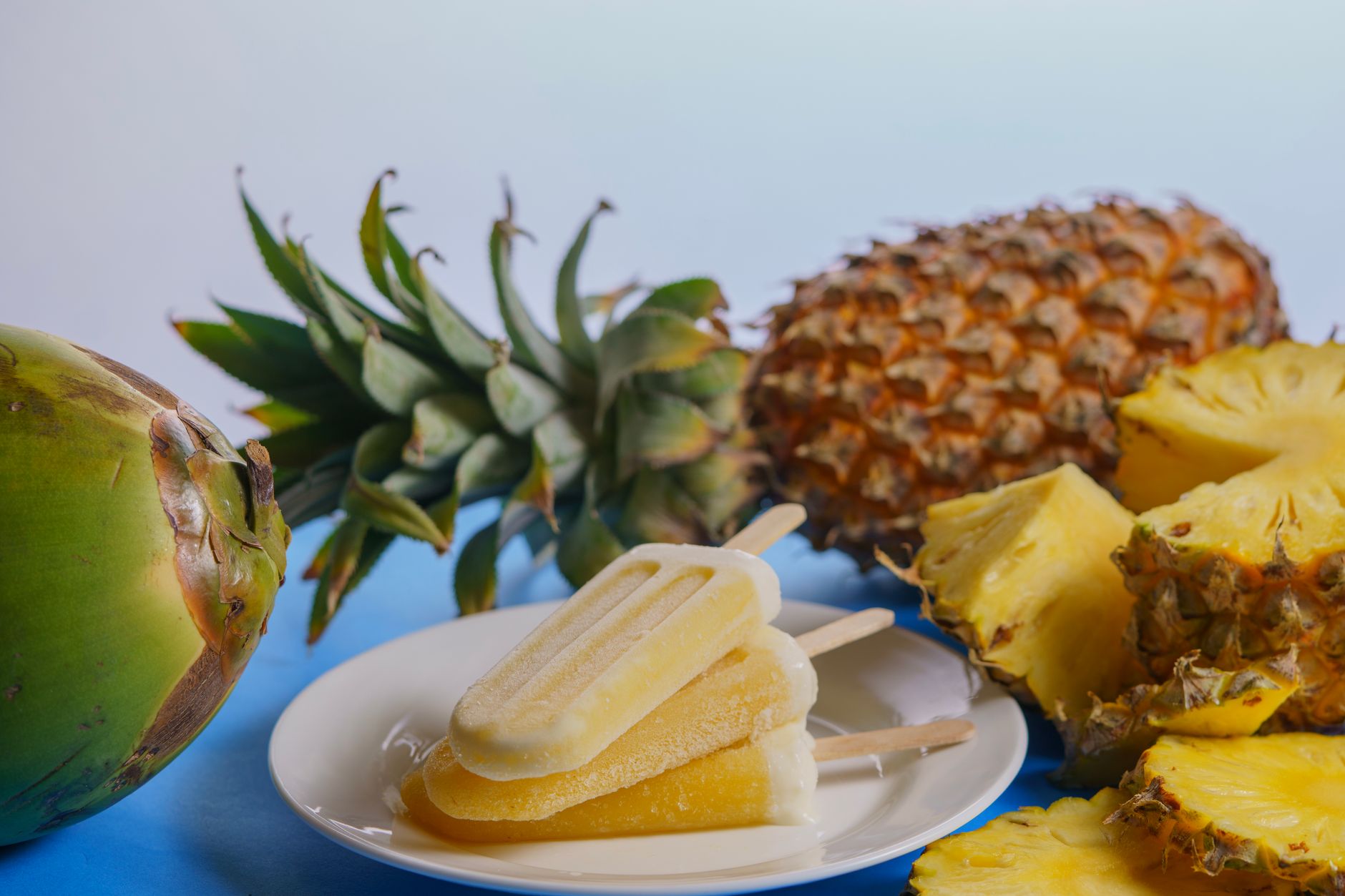
Pineapple is a tropical fruit known for its sweet, tangy flavor and juicy texture. Many dog owners often wonder if their furry friends can enjoy this vibrant fruit as well. In this article, we will explore whether dogs can have pineapple, how it can be safely served, and potential health benefits and drawbacks.
Understanding the dietary needs of dogs is essential for maintaining their health. While dogs are primarily meat-eaters, some fruits and vegetables can be a delightful treat for them. Let’s delve into the specifics of pineapple and its suitability for your dog.
Can Dogs Have Pineapple?
Yes, dogs can have pineapple in moderation. This fruit is safe for dogs to consume and can offer some nutritional benefits. However, it’s important to consider how it is prepared and served to avoid any digestive issues.
Nutritional Benefits of Pineapple for Dogs
Pineapple is not only tasty but also packed with nutrients that can be beneficial for dogs. Here are some of its nutritional benefits:
- Vitamins: Pineapple is rich in vitamin C, which is important for immune function and skin health.
- Minerals: It contains manganese, which helps with bone health and metabolism.
- Bromelain: This enzyme aids in digestion and may help reduce inflammation.
- Fiber: Pineapple provides dietary fiber, which can help with digestion and promote gut health.
How to Safely Serve Pineapple to Dogs
When feeding pineapple to your dog, proper preparation is crucial. Here’s how to safely serve pineapple:
- Choose Fresh Pineapple: Always opt for fresh pineapple rather than canned or processed versions, which may contain added sugars and preservatives.
- Remove the Skin and Core: Pineapple skin and core are tough and can be difficult for dogs to digest. Only serve the soft flesh of the fruit.
- Cut into Bite-Sized Pieces: Chop the pineapple into small, manageable pieces to prevent choking.
- Start Small: If your dog has never had pineapple, start with a small piece to monitor for any adverse reactions.
Portion Control: How Much Pineapple is Safe?
While pineapple is safe for dogs, moderation is key. A general guideline is that fruits should make up no more than 10% of your dog’s daily caloric intake. Here’s how to determine the appropriate amount:
- Small dogs (under 20 lbs): 1-2 small pieces per day.
- Medium dogs (20-50 lbs): 2-3 small pieces per day.
- Large dogs (over 50 lbs): 3-5 small pieces per day.
Always observe how your dog reacts to pineapple and adjust portions accordingly. If you notice any digestive upset, discontinue feeding pineapple and consult your veterinarian.
Potential Risks of Feeding Pineapple to Dogs
While pineapple is generally safe for dogs, there are potential risks to consider:
- Digestive Upset: Some dogs may experience diarrhea or upset stomach if they consume too much pineapple, particularly if they are not used to fibrous fruits.
- High Sugar Content: Pineapple contains natural sugars, which can lead to weight gain or other health issues if given in excessive amounts.
- Allergic Reactions: Although rare, some dogs may develop allergic reactions to pineapple. Monitor for signs like itching or swelling.
- Choking Hazard: Ensure to cut pineapple into appropriately sized pieces to prevent choking.
Creative Ways to Include Pineapple in Your Dog’s Diet
Incorporating pineapple into your dog’s diet can be both fun and nutritious. Here are some ideas:
Pineapple Dog Treats
Create homemade dog treats using pineapple. Here’s a simple recipe:
Ingredients
- 1/2 cup fresh pineapple, chopped
- 1 cup whole wheat flour
- 1/4 cup peanut butter (ensure it’s xylitol-free)
- 1 egg
- 1/4 cup water (as needed)
Instructions
- Preheat the oven to 350°F (175°C).
- In a bowl, mix the chopped pineapple, whole wheat flour, peanut butter, and egg until well combined.
- If the mixture is dry, add water a tablespoon at a time until it reaches a dough-like consistency.
- Roll out the dough on a floured surface and cut it into shapes using cookie cutters.
- Place the treats on a baking sheet lined with parchment paper and bake for 20-25 minutes, or until golden brown.
- Allow to cool completely before serving to your dog.
Pineapple in Dog Smoothies
Pineapple can also be blended into smoothies for a refreshing treat. Combine pineapple with yogurt, spinach, and a banana for a nutritious smoothie. Ensure all ingredients are dog-friendly!
Storing Pineapple for Dogs
Proper storage of fresh pineapple is essential to maintain its freshness:
- Whole Pineapple: Store in a cool, dry place until cut.
- Cut Pineapple: Keep in an airtight container in the refrigerator. Consume within 3-5 days for best freshness.
- Frozen Pineapple: Pineapple can be frozen in chunks for a longer shelf life. This can also make a refreshing treat for dogs on hot days.
Signs of Allergic Reaction or Intolerance
If you decide to introduce pineapple to your dog’s diet, be aware of signs of an allergic reaction or intolerance, which may include:
- Itching or skin irritations
- Swelling, particularly around the face or mouth
- Gastrointestinal issues such as vomiting or diarrhea
If you notice any of these signs after feeding your dog pineapple, contact your veterinarian for guidance.
Conclusion
Pineapple can be a delightful and healthy addition to your dog’s diet when served in moderation and properly prepared. With its array of vitamins and enzymes, pineapple offers nutritional benefits that can support your dog’s overall well-being. If you decide to treat your dog to this tropical fruit, be sure to monitor their reaction and adjust servings as necessary. Happy treating!
For more information about dog-friendly foods, check out Can Dogs Eat Cheddar Cheese? and Can Dogs Eat Yams? for practical tips and guidance.