
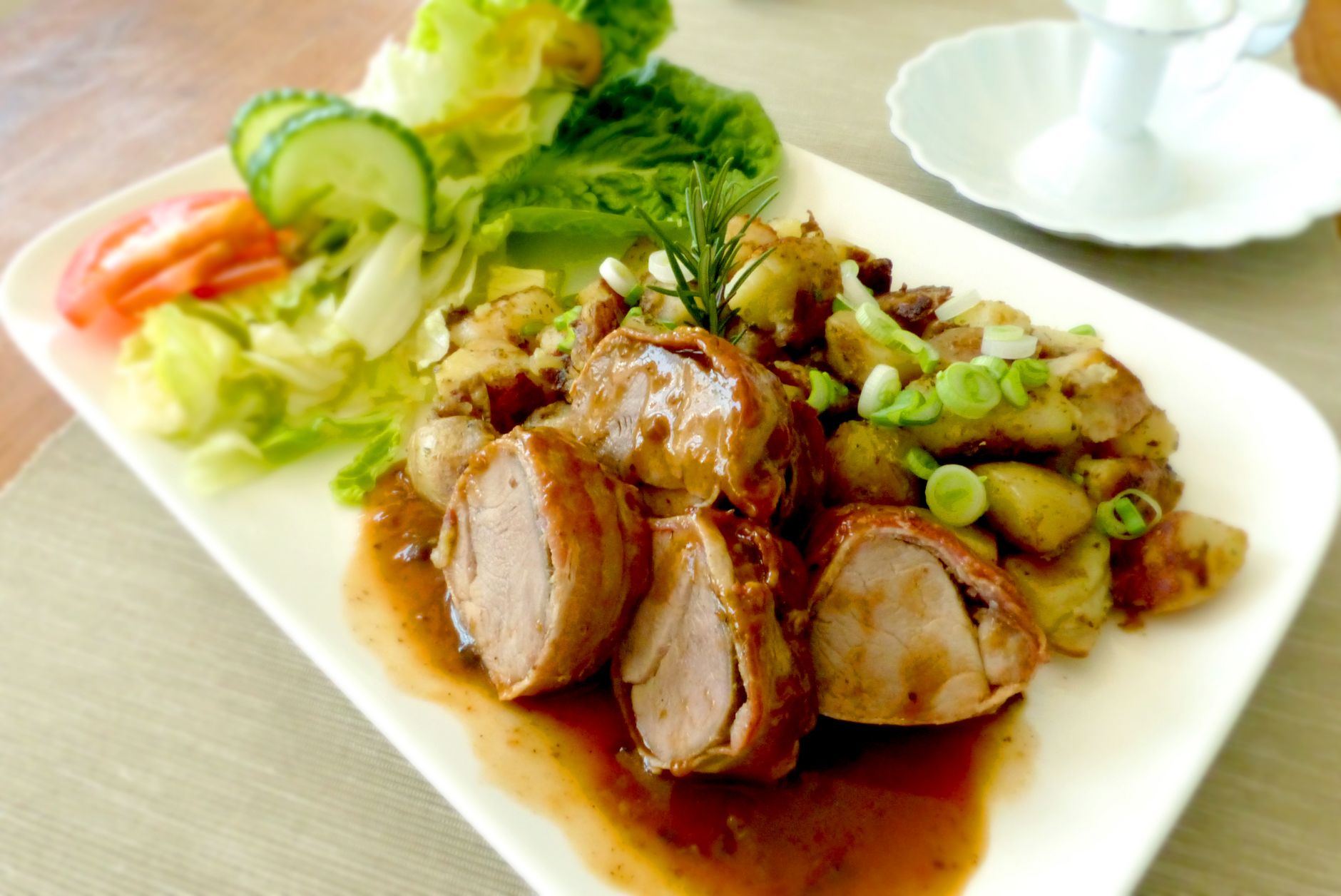
Cooking pork in the oven can be a delightful experience, leading to flavorful and tender dishes. However, knowing the appropriate temperature for cooking pork is crucial to ensure that it’s both safe to eat and delicious. This guide will help you understand the best practices for cooking pork, ensuring a perfect result every time.
Cooking pork at the right temperature not only enhances its flavor but also guarantees that it reaches a safe internal temperature for consumption. Below, we will explore the ideal temperatures for different cuts of pork, cooking methods, tips for tenderness, and much more. Let’s delve into the specifics of cooking pork in the oven.
What Temperature To Cook Pork In Oven?
The ideal temperature to cook pork in the oven is between 145°F (63°C) and 160°F (71°C), depending on the cut and the desired finish. Cooking pork to an internal temperature of 145°F ensures a juicy cut that is safe to eat, while ground pork and dishes that include braising are best cooked to 160°F.
Understanding Different Cuts of Pork
Pork comes in various cuts, each with a specific ideal cooking temperature and method. Understanding these cuts will help you choose the right cooking temperature.
Popular Cuts of Pork and Their Ideal Cooking Temperatures
- Pork Tenderloin: Cook to an internal temperature of 145°F (63°C) for a juicy and tender result.
- Pork Chops: Optimal cooking temperature is 145°F (63°C), particularly for bone-in chops.
- Pork Loin: This should also be cooked to 145°F (63°C) for optimal tenderness and flavor.
- Pork Shoulder: A slower cooking temperature of 190-200°F (88-93°C) allows for the connective tissues to break down, producing fork-tender meat.
- Pork Ribs: Ideal temperatures are around 225-250°F (107-121°C) for low and slow cooking, reaching an internal temperature of 190°F (88°C) to become tender.
- Ground Pork: Must be cooked thoroughly to an internal temperature of 160°F (71°C).
Best Cooking Methods for Pork in the Oven
There are several methods to cook pork in the oven effectively. Each method can be chosen based on the cut of meat, desired result, and preparation time.
Roasting
Roasting is one of the most popular methods for cooking pork. It involves cooking the meat uncovered, allowing the exterior to brown and create a flavorful crust.
Steps for Roasting Pork
- Preheat the oven to 375°F (190°C).
- Season the pork with salt, pepper, and any desired herbs or spices.
- Place the pork in a roasting pan and insert a meat thermometer into the thickest part of the meat.
- Roast in the preheated oven until it reaches the appropriate internal temperature (refer to the cut chart above).
- Let the meat rest for at least 5-10 minutes before slicing to retain juices.
Baking
Baking pork is similar to roasting but generally involves lower temperatures and may include liquid to enhance flavor and moisture.
Steps for Baking Pork
- Preheat the oven to 350°F (175°C).
- Place the seasoned pork in a baking dish with a small amount of broth or sauce.
- Bake until the internal temperature is achieved, typically around 30-45 minutes, depending on the size and cut.
- Check for doneness using a thermometer.
Broiling
Broiling uses direct, high heat from above, making it a quick way to cook certain pork cuts like chops and tenderloins.
Steps for Broiling Pork
- Preheat the broiler on high.
- Position the oven rack close to the heating element.
- Season the pork and place it on a broiler pan.
- Broil for 4-6 minutes per side, checking frequently until it reaches a minimum internal temperature of 145°F (63°C).
Tips for Ensuring Perfectly Cooked Pork
To achieve the best results when cooking pork, consider these tips:
- Use a Meat Thermometer: Always use a meat thermometer to accurately check the internal temperature of pork.
- Resting Time: Allow pork to rest after cooking; this helps juices redistribute for a tender bite.
- Brine or Marinade: For added flavor and moisture, consider brining or marinating pork before cooking.
- Avoid Overcooking: Cooking pork to higher temperatures can lead to dryness. Stick to recommended internal temperatures.
- Experiment with Herbs and Spices: Pork is versatile and pairs well with various flavor profiles; don’t hesitate to experiment.
Common Mistakes When Cooking Pork
Even experienced cooks can make errors when preparing pork. Here are some common mistakes and how to avoid them:
- Not Checking the Internal Temperature: Don’t rely on appearance; always check with a thermometer to ensure food safety.
- Cooking Cold Pork: Allow the meat to come to room temperature for even cooking before placing it in the oven.
- Skipping the Resting Period: Cutting into pork immediately after cooking can cause juices to flow out.
- Overcrowding the Pan: Allow space around the meat to ensure even cooking and proper browning.
Common Variations and Substitutions
When preparing pork, different ingredients can enhance or complement the flavor profile. Here are some variations and possible substitutions:
- Flavoring with Citrus: Use lemon or orange zest to brighten up your pork dish. It pairs especially well with marinades.
- Sweet Element: Brown sugar or honey can caramelize beautifully on the exterior of pork cuts.
- Herbs: Fresh rosemary, sage, or thyme provide a classic flavor with pork. Feel free to substitute dried herbs, adjusting as necessary.
- Spices: Paprika, garlic powder, or chili powder can give a depth of flavor. These can be swapped depending on your tastes.
Storage and Reheating Guidelines
If you have leftover pork after your meal, proper storage and reheating are important to maintain quality and safety.
Storing Leftover Pork
Allow the pork to cool to room temperature before storing. Place it in an airtight container:
- Refrigerate for up to 3-4 days.
- Freeze for up to 3 months for best quality.
Reheating Leftover Pork
To ensure your reheated pork remains moist, consider these methods:
- In the Oven: Preheat the oven to 325°F (163°C). Cover the pork with foil and heat until warmed through.
- On the Stovetop: Add a little broth or water in a skillet and reheat over low heat, covered.
Cooking Pork Safely: Food Safety Tips
Food safety is paramount when handling and cooking pork. Keep these guidelines in mind:
- Always wash hands, utensils, and surfaces with soap and hot water after handling raw pork.
- Use separate cutting boards for raw meat and other ingredients to prevent cross-contamination.
- Keep raw pork in the refrigerator until ready to cook; do not leave it at room temperature.
- Dispose of leftover pork if it is left out for over two hours at room temperature.
Summary
Cooking pork in the oven can result in juicy and flavorful meals when temperatures are correctly managed. Whether you’re roasting, baking, or broiling, always ensure your pork reaches the proper internal temperature based on the cut. By following best practices and guidelines, you can craft tender and safe pork dishes your family will enjoy.
Ready to try your hand at cooking pork? For more cooking insights, check out our guides on how to bake boneless pork chops and explore our delicious baked pork chop recipes.