
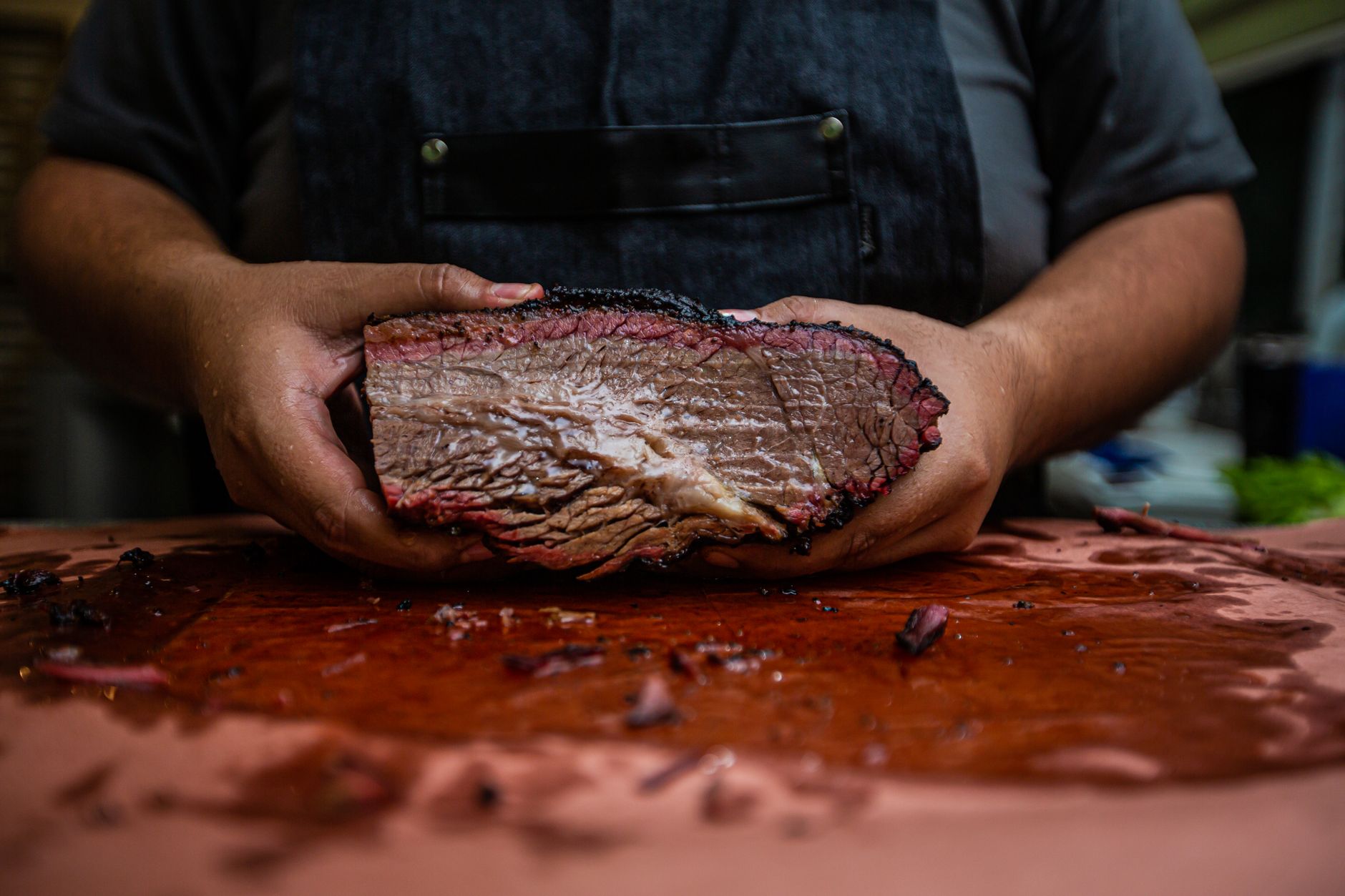
Brisket is a popular cut of meat that often takes center stage in barbecues, family dinners, and festive occasions. Known for its rich flavor and tenderness when cooked properly, brisket can also raise questions about its health benefits and drawbacks. This article will explore whether brisket is healthy, shedding light on its nutritional profile, potential health considerations, and how to incorporate it into a balanced diet.
From understanding the essentials of this cut of meat to cooking techniques and health implications, you’ll learn everything there is to know about brisket. By the end, you’ll be in a better position to decide how brisket can fit into your meals.
Is Brisket Healthy?
Brisket can be part of a healthy diet when consumed in moderation. It is rich in protein, vitamins, and minerals, but it also contains saturated fats, which can raise cholesterol levels if consumed excessively. Balancing brisket with healthier sides and understanding portion sizes will help you enjoy it while maintaining your overall well-being.
Understanding Brisket: What Is It?
Brisket is a cut of meat from the chest of a beef animal. This primal cut is notable for its working muscles, making it tougher than other cuts, but it also develops a rich flavor when cooked correctly. Brisket can be prepared using various cooking techniques such as smoking, braising, or roasting.
Nutritional Profile of Brisket
The nutritional content of brisket can vary based on the cut (point or flat), cooking method, and trimming. Here’s a general breakdown of what you can expect in a 3.5-ounce (100-gram) serving of cooked brisket:
- Calories: Approximately 250
- Protein: About 22 grams
- Total Fat: Roughly 18 grams
- Saturated Fat: Around 7 grams
- Cholesterol: About 85 milligrams
- Iron: Approximately 2.7 milligrams
- Zinc: About 6.7 milligrams
- B Vitamins: Including B6 and B12, which are important for energy metabolism and red blood cell production
Health Benefits of Brisket
Despite its reputation for being a high-fat cut, brisket offers various health benefits:
- High Protein Content: Brisket is an excellent source of high-quality protein essential for muscle growth, tissue repair, and overall health.
- Rich in Essential Vitamins: It is laden with B vitamins, which play crucial roles in energy production and brain health.
- Iron Source: The iron present in brisket supports oxygen transport in the blood, maintaining energy levels and overall vitality.
- Zinc for Immune Support: Zinc is vital for immune function, wound healing, and DNA synthesis, making brisket a valuable addition to the diet.
Health Considerations: Are There Downsides?
While brisket has its benefits, it’s important to consider some health concerns:
- Saturated Fat Content: Brisket can be high in saturated fat, which, when consumed in excess, may contribute to increased cholesterol levels and improved heart disease risk.
- Portion Control: Due to its calorie density, it’s easy to overindulge. Monitoring portion sizes can help keep your overall caloric intake in check.
- Cooking Methods Matter: How you cook brisket can affect its healthfulness. Methods that involve heavy sauces or additional fats may add unnecessary calories and fats.
How to Cook Brisket: Techniques and Tips
There are various methods to prepare brisket, each affecting the flavor and texture. Here, we outline the most popular cooking techniques and key tips for success:
1. Smoking
Smoking is a favored method for brisket lovers, as it enhances flavor through low and slow cooking.
- Preparation: Rub your brisket with a mixture of spices (such as salt, pepper, paprika, and garlic powder) and let it marinate for several hours or overnight.
- Temperature: Smoke the brisket at 225–250°F (107–121°C) for 10–14 hours, depending on the size, until it reaches an internal temperature of 195–205°F (90–96°C).
- Resting: Allow the brisket to rest for a minimum of 30 minutes before slicing. This helps retain juices.
2. Braising
Braising tenderizes the meat while infusing flavor.
- Preparation: Sear the brisket on all sides in a hot pan, then remove it.
- Cooking: Add onions, garlic, and broth or red wine to the pot, then return the brisket. Cover and cook at 300°F (149°C) for about 3-4 hours, or until tender.
- Serving: Serve with the braising liquid as gravy.
3. Oven Roasting
This method imparts a different texture while still achieving great flavor.
- Preparation: Season the brisket and place it in a roasting pan with vegetables and broth.
- Temperature: Roast in the oven at 325°F (163°C) for 3-4 hours, or until the meat is tender.
- Slicing: Cut against the grain to ensure tender slices.
Healthy Ways to Serve Brisket
To maintain a balanced diet, consider healthy additions when serving brisket:
- Add Vegetables: Serve brisket alongside roasted or steamed vegetables for added nutrients and fiber.
- Whole Grains: Pair with whole grain sides like quinoa or brown rice instead of refined grains to elevate the fiber content.
- Mindful Sauces: Opt for lighter sauces, such as chimichurri or salsa, instead of heavy cream-based sauces.
Common Mistakes When Cooking Brisket
A few common mistakes can affect the quality of your brisket:
- Not Trimming the Fat: Excess fat can lead to a greasy dish. Trim the fat cap to your preference before cooking.
- Neglecting to Rest: Skipping the resting phase results in dry meat. Always allow brisket to rest before slicing.
- Cutting with the Grain: Cutting with the grain results in tough slices. Always slice against the grain for more tender pieces.
Storage and Reheating Tips
If you find yourself with leftover brisket, proper storage and reheating methods can enhance its longevity while preserving flavor:
- Storage: Allow brisket to cool completely, then store in an airtight container in the refrigerator for up to 3-4 days or freeze for up to 3 months.
- Reheating: Reheat brisket slowly in the oven wrapped in foil to retain moisture or in a microwave at low power, ensuring it doesn’t dry out.
Brisket and Dietary Preferences
For those with specific dietary preferences, brisket can still fit into various eating plans:
- Paleo: Being a natural source of protein, brisket aligns well with the paleo diet, especially when prepared without overly processed ingredients.
- Keto: The high-fat, low-carb nature of brisket can complement a ketogenic meal plan, provided other high-carb sides are limited.
- Gluten-Free: Brisket is gluten-free, making it suitable for those avoiding gluten, just ensure sauces are gluten-free as well.
Final Thoughts on Brisket
Brisket can be a flavorful and nutritious part of a balanced diet when enjoyed in moderation and prepared mindfully. Prioritize quality cuts, appropriate portion sizes, and healthy side dishes to make the most out of this beloved meat.
Now that you know about brisket and its role in your diet, consider trying out a smoked brisket for your next gathering. The method often results in a delightfully tender texture that showcases the meat’s rich, beefy flavor.
For further reading, explore the health perspectives on cured meats in our article about salami, and understand the potential relationship between red meat and cancer risks in this guide. Happy cooking!