
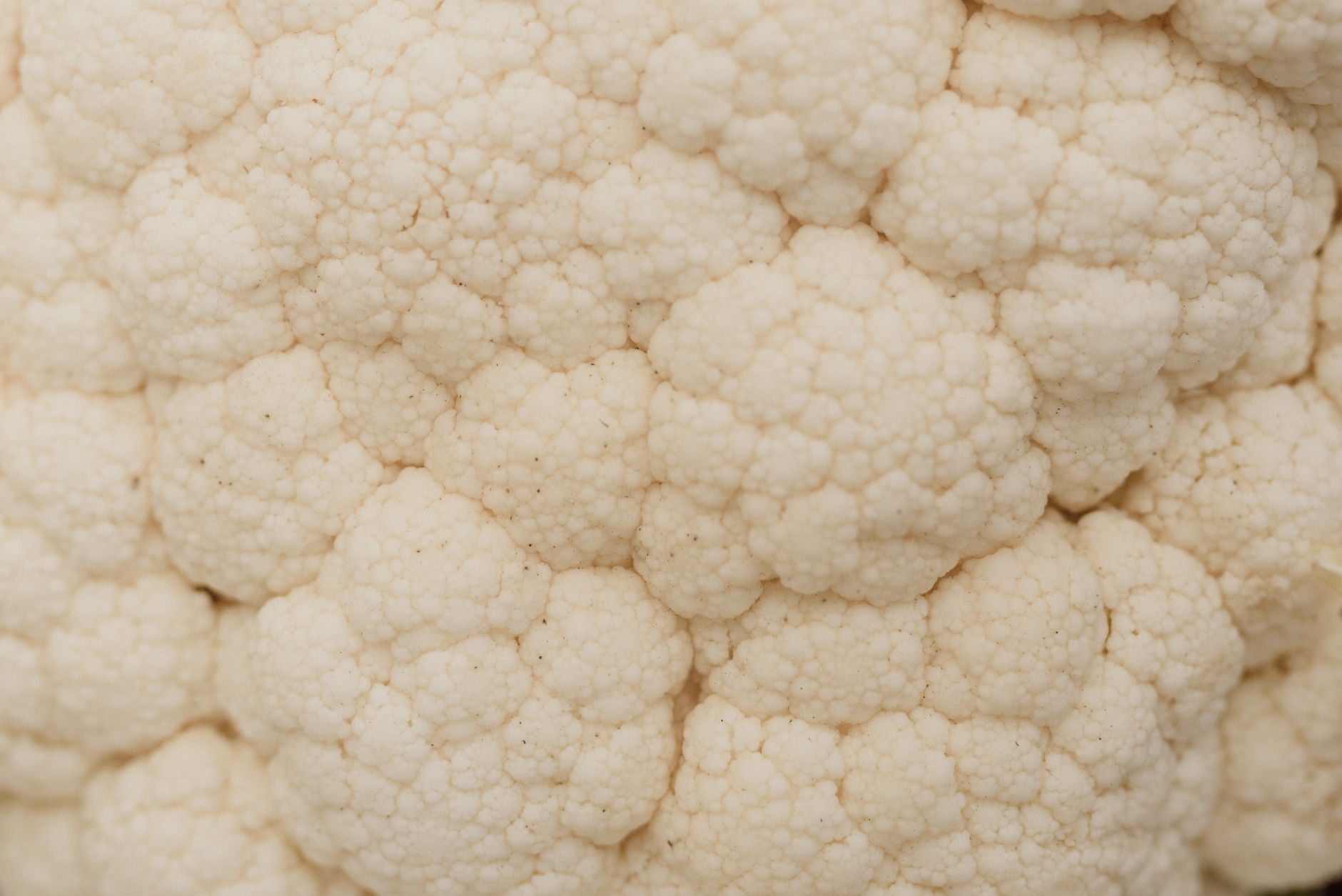
Cauliflower is a versatile vegetable that has gained popularity in recent years, often celebrated for its low calorie content and health benefits. Many people are curious about its nutritional profile, particularly regarding its protein content, especially as plant-based diets continue to trend. This article explores whether cauliflower contains protein, its benefits, and how to incorporate it into meals.
Understanding the protein content in cauliflower can help you make informed choices about its role in your diet. While it may not be a primary source of protein compared to animal products or legumes, it offers a decent amount, especially when consumed in larger quantities or combined with other protein-rich foods.
Does Cauliflower Have Protein?
Yes, cauliflower does contain protein, but in relatively low amounts compared to other sources like meat, dairy, or legumes. A one-cup serving (about 100 grams) of raw cauliflower provides approximately 2 grams of protein. This amount may not seem significant, but every little bit helps in a balanced diet, especially for those on vegetarian or vegan diets.
In addition to protein, cauliflower is an excellent source of vitamins, minerals, and dietary fiber. It is low in calories and carbohydrates, making it a popular choice for those looking to maintain a healthy weight or reduce carb intake. Its nutritional profile makes it a great addition to various meals, from stir-fries to salads.
Nutritional Breakdown of Cauliflower
To fully understand the value of cauliflower in your diet, it’s essential to look at its complete nutritional profile. Below is the breakdown for one cup of raw cauliflower (approximately 100 grams):
| Nutrient | Amount |
|---|---|
| Calories | 25 |
| Protein | 2 grams |
| Fat | 0.3 grams |
| Carbohydrates | 5 grams |
| Fiber | 2 grams |
| Vitamin C | 75% of the Daily Value (DV) |
| Vitamin K | 20% of the DV |
| Folate | 14% of the DV |
| Potassium | 9% of the DV |
| Magnesium | 4% of the DV |
As highlighted in the table, cauliflower’s low calorie content and rich supply of vitamins and minerals make it a fantastic choice for a nutrient-dense diet. Moreover, the modest amount of protein it contains can contribute to your daily intake, especially if eaten in conjunction with other protein sources.
Benefits of Eating Cauliflower
Including cauliflower in your diet offers several benefits beyond its protein content:
- Rich in Antioxidants: Cauliflower contains antioxidants that help reduce inflammation and protect cells from damage.
- Supports Digestive Health: The fiber in cauliflower aids digestion and promotes gut health.
- Low in Calories: Cauliflower is a low-calorie vegetable, making it an ideal choice for weight management.
- Versatile Cooking Options: It can be eaten raw, steamed, roasted, or even mashed, making it an adaptable ingredient for various dishes.
- May Improve Heart Health: Some studies suggest that compounds in cauliflower can have heart-protective benefits.
How Can I Include Cauliflower in My Diet?
Incorporating cauliflower into your meals can be both enjoyable and nutritious. Here are some practical tips and ideas for including cauliflower in your diet:
1. Cauliflower Rice
One popular way to use cauliflower is by making cauliflower rice. This low-carb substitute can be used in place of regular rice in many dishes.
- To prepare cauliflower rice, cut a head of cauliflower into florets.
- Use a food processor to pulse the florets until they resemble grain-sized pieces.
- Sauté the cauliflower rice in a pan with a small amount of oil for about 5–7 minutes.
- Season as desired and serve as a base for stir-fries or curries.
2. Cauliflower Mash
Cauliflower mash is a creamy, satisfying alternative to traditional mashed potatoes. Here’s a quick method:
- Steam cauliflower florets for about 10-15 minutes until tender.
- Add them to a blender or food processor with a bit of butter or olive oil, salt, and pepper.
- Blend until smooth and creamy. Serve as a side dish.
3. Roasted Cauliflower
Roasting cauliflower enhances its natural flavors. Follow these simple steps:
- Preheat your oven to 425°F (220°C).
- Cut cauliflower into florets and toss with olive oil, salt, pepper, and any desired spices.
- Spread on a baking sheet and roast for 25–30 minutes, flipping halfway, until golden and crispy. Enjoy as a side dish or snack.
4. Cauliflower Steak
For a hearty main dish, try cauliflower steak. Here’s how to make it:
- Slice a head of cauliflower into thick “steaks.”
- Brush both sides with olive oil and season with salt and spices.
- Grill or roast the steaks at 400°F (200°C) for 15–20 minutes until tender and charred. Consider topping with chimichurri for added flavor.
5. Soups and Stews
Add cauliflower to soups, stews, or curries for a nutritious boost. When cooked, its texture becomes softer and easily absorbs surrounding flavors.
These various methods showcase how versatile cauliflower can be, allowing it to fit into multiple diets and meal preferences while still contributing valuable nutrients, including protein.
Can I Substitute Cauliflower for Other Ingredients?
Cauliflower can be an excellent substitute in several recipes, particularly for those looking to reduce carbohydrates or introduce more vegetables into their meals. Here are some popular substitutions:
- Cauliflower for Rice: Substitute cauliflower rice for regular rice in dishes such as stir-fries or sushi rolls for a lower-carb option.
- Cauliflower for Potatoes: Use cauliflower mash instead of traditional mashed potatoes for a lighter, creamy alternative.
- Cauliflower for Pizza Crust: Create a cauliflower crust using grated cauliflower mixed with cheese and eggs, replacing regular pizza dough.
- Cauliflower in Smoothies: Cauliflower can be added to smoothies for added thickness and nutrition, blending well with fruit flavors.
These substitutions not only make recipes healthier but can also introduce interesting flavors and textures to familiar dishes.
Common Mistakes When Cooking Cauliflower
While cooking with cauliflower can be straightforward, there are some common mistakes to avoid to maximize flavor and texture:
- Overcooking: Cauliflower can turn mushy if overcooked. Aim for a tender-crisp texture by avoiding excessive cooking times.
- Not Seasoning: Cauliflower has a mild flavor that can benefit from seasoning. Be generous with herbs, spices, and salt during cooking.
- Using Too Much Water: When steaming or boiling, use the least amount of water necessary. Excess water can dilute the flavor.
Storage and Shelf Life of Cauliflower
Proper storage can help prolong the freshness of cauliflower:
- Store whole heads of cauliflower in a perforated plastic bag in the refrigerator’s crisper drawer to maintain humidity while allowing airflow.
- Cut cauliflower should be stored in an airtight container in the fridge; use it within 3-5 days for best quality.
- Cooked cauliflower can be refrigerated for 3–5 days and reheated thoroughly before serving.
Conclusion
Cauliflower is a nutritious vegetable that offers a modest amount of protein among a variety of vitamins and minerals. While it may not replace primary protein sources in your diet, it can easily fit into a healthy eating plan and provide numerous culinary options. Experiment with different cooking methods and substitutes to fully appreciate this versatile vegetable and enhance your meals!
Explore more helpful information by checking out our guides on protein content in foods like bone broth and spinach. Discover more delicious recipes and cooking tips to enhance your culinary journey.