
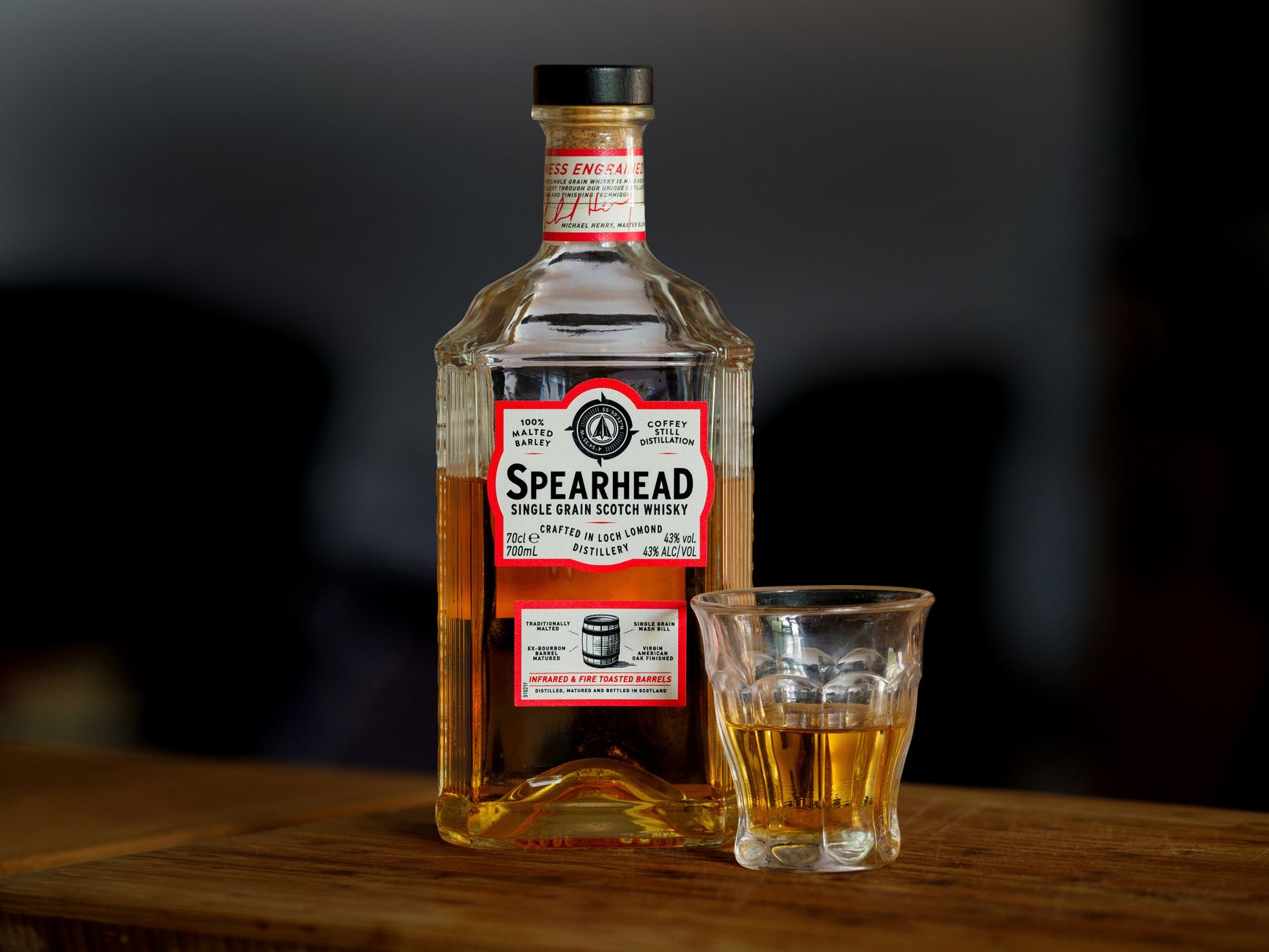
Scotch whisky, often simply referred to as Scotch, is a distinguished spirit from Scotland with a rich history and tradition. Understanding what Scotch is made from involves delving into its core ingredients, production process, and regional influences that contribute to its unique flavor profiles.
This comprehensive guide will take you through the essential elements of Scotch whisky production, exploring what goes into this classic drink, its types, and what makes each expression special. By the end, you’ll have a well-rounded understanding of Scotch and its craftsmanship.
What Is Scotch Made From?
Scotch is primarily made from three main ingredients: malted barley, water, and yeast. These components are essential in the whisky-making process and contribute to the flavor and character of the final product.
The Main Ingredients of Scotch Whisky
Malted Barley
Malted barley is the backbone of Scotch whisky, especially in single malt varieties. The malting process involves soaking barley in water, allowing it to germinate, and then drying it with hot air. This process converts the starch in the barley into fermentable sugars.
- Selection of barley: Different varieties can influence flavor profiles. Scottish barley is often preferred for its quality.
- Malting process: The amount of time barley is allowed to germinate can affect the whisky’s sweetness and complexity.
Water
Water is another critical ingredient in Scotch whisky. It is used during various stages, from mashing to dilution before bottling. The source and quality of the water can significantly affect the flavor of the whisky.
- Water sources: Many distilleries use pure spring water, renowned for its soft quality, which helps maintain the purity of the whisky.
- Role in production: Water plays a vital role in extracting flavors during mashing and contributes to the overall mouthfeel.
Yeast
Yeast is responsible for fermentation, converting sugars into alcohol and producing additional flavors and aromas through its metabolic processes. Different strains of yeast can yield unique characteristics in the whisky.
- Types of yeast: Common strains include Saccharomyces cerevisiae, which is widely used in distilleries.
- Fermentation process: The fermentation duration can lead to varying levels of alcohol and distinct flavor notes.
The Production Process of Scotch Whisky
The production of Scotch whisky is a time-honored process defined by strict regulations and traditional methods. Below is an overview of each step from grain to glass.
Step 1: Malting
- Barley is soaked in water for a specific time period.
- Germination occurs as the barley is spread out in a dark, moist environment.
- The germinated barley is then dried using hot air or peat smoke, leading to varying flavor profiles.
Step 2: Mashing
- The dried malted barley is milled into a coarse powder called grist.
- The grist is mixed with hot water in the mash tun, allowing the starches to dissolve into sugars.
- This mixture is called wort, which is then drained and collected.
Step 3: Fermentation
- Wort is transferred to fermentation vessels where yeast is added.
- Yeast consumes the sugars in the wort, producing alcohol and carbon dioxide.
- The fermentation process typically lasts between 48 to 72 hours, resulting in a liquid known as “wash” with an alcohol content of about 6-8%.
Step 4: Distillation
- The wash is distilled twice in copper pot stills, a traditional method used in Scotch production.
- During the first distillation, known as the “wash distillation,” the alcohol content increases significantly.
- The second distillation, called “spirit distillation,” refines the spirit further and separates the “heart” from “heads” and “tails,” ensuring only the finest spirit goes to maturation.
Step 5: Maturation
- New make spirit is transferred into oak casks for aging, where it must rest for a minimum of three years.
- The choice of cask—whether American oak, European oak, or even sherry casks—impacts the final flavor.
- Diverse conditions, such as temperature and humidity in the warehouse, affect the maturation process, leading to unique profiles.
Step 6: Bottling
- After maturation, the whisky is typically diluted with water to achieve desired alcoholic strength, usually between 40-46% ABV.
- Some brands choose to bottle their whisky without chilling or filtering for a more authentic flavor experience.
- Finally, the whisky is labeled and packaged for sale, reaching consumers worldwide.
Different Types of Scotch Whisky
Scotch whisky can be categorized into several types, each offering a unique taste experience based on the production process and ingredients used. The two main categories are single malt and blended Scotch.
Single Malt Scotch
Single malt Scotch is produced at one distillery using only malted barley and water. It reflects the individual character of the distillery and often exhibits complex flavors.
Blended Scotch
Blended Scotch combines malt whisky and grain whisky from various distilleries. This blending process aims for consistency in flavor and quality across batches.
Other Types
- Grain Scotch: Made primarily from grains other than malted barley, often lighter in flavor.
- Single Grain Scotch: Produced at one distillery using grains, typically lighter and less complex than single malts.
- Blended Malt Scotch: A blend of single malts from multiple distilleries without grain whisky.
- Blended Grain Scotch: A combination of single grain whiskies from different distilleries.
Flavor Profiles and Characteristics
The flavor of Scotch whisky can vary widely based on its ingredients, production methods, and maturation conditions. Here are some common flavor notes found in Scotch:
- Peaty: Smoky flavors resulting from the use of peat during the malting process.
- Fruity: Notes of apple, pear, and citrus can be found, particularly in younger whiskies.
- Spicy: Spices like cinnamon, nutmeg, and clove may emerge from the wood during aging.
- Caramel: Sweet notes from the caramelization of sugars during the maturation process.
- Nutty: Almond and walnut notes can develop, influenced by the types of casks used.
Common Mistakes to Avoid When Choosing Scotch
Choosing the right Scotch whisky can seem intimidating. Avoid these common mistakes to enhance your whisky experience.
- Not considering the type: Understand the difference between single malt, blended, and grain whiskies to make informed choices.
- Ignoring bottle age: While age can indicate quality, it’s essential to consider the profile that appeals to you rather than just the number.
- Forgetting to taste neat: Always try Scotch neat to appreciate its true flavor before adding water or ice.
How to Enjoy Scotch Whisky
Scotch can be enjoyed in various ways, appealing to different preferences. Here are some popular methods:
- Neat: Enjoy Scotch at room temperature in a whisky glass to fully appreciate its aromas and flavors.
- With water: A small amount of water can open up flavors and aromas, making it smoother.
- On the rocks: Adding ice mellows the whisky; however, be mindful that it might dilute the flavor.
- Cocktails: While many prefer whisky neat, Scotch can also elevate cocktails, such as the Rob Roy or Whisky Sour.
Storing and Serving Scotch Whisky
Proper storage and serving techniques can enhance the longevity and quality of your Scotch. Here are important guidelines:
- Store upright: Keep bottles upright to prevent cork deterioration and oxidation.
- Ideal temperature: Scotch is best stored in a cool, dark place, away from direct sunlight.
- Correct glassware: Use a Glencairn glass or tumblers with a wide bowl to enhance the aroma and flavor experience.
The Appeal of Regional Influences
Scotland has several whisky-producing regions, each contributing distinct characteristics to their whiskies:
- Islay: Known for its peaty and smoky whiskies with rich maritime influences.
- Speyside: Offers fruity and sweet whiskies that are approachable and popular among new whisky drinkers.
- Highlands: A diverse region producing a wide range of flavor profiles, from floral to robust.
- Lowlands: Known for lighter whiskies with grassy and citrus notes.
Conclusion
Understanding what Scotch is made from and the processes that create this iconic spirit enriches your appreciation for whisky as a whole. From malted barley to the intricate distillation and aging process, each aspect plays a crucial role in developing the flavors Scotch enthusiasts cherish.
Ready to explore more about the world of Scotch whisky? Discover what is molasses made from or learn about the unique profile of Southern Comfort.