
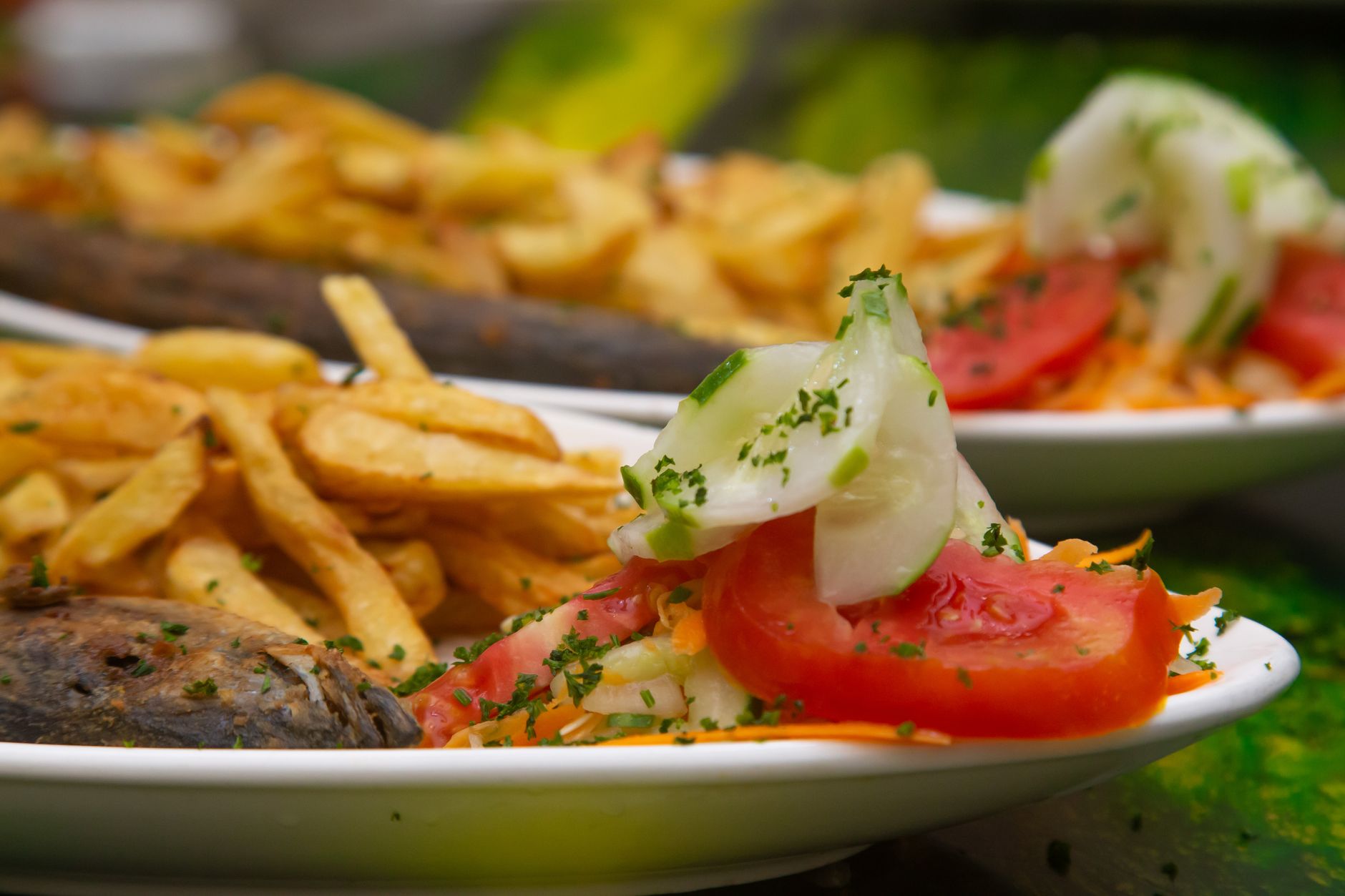
When exploring dietary choices, the question, “Do vegans eat fish?” often arises. It highlights a common misconception about veganism and the guidelines that accompany it. Understanding the principles of veganism is crucial for demystifying this topic.
Vegans avoid all animal products, including fish, shellfish, and any products derived from animals, such as dairy and eggs. This article will provide a comprehensive overview of veganism, the reasons behind dietary restrictions, and explore suitable alternatives to fish.
What is Veganism?
Veganism is a lifestyle choice that excludes the consumption of animal products. Vegans seek to avoid harming animals, whether in food, clothing, or other consumer choices. This philosophy embraces ethical considerations, environmental impact, and health benefits.
- Ethical concerns: Many vegans choose this lifestyle to protest against animal cruelty and factory farming practices.
- Environmental factors: Animal farming has significant ecological consequences, leading many to adopt vegan diets as a way to mitigate pollution and resource depletion.
- Health reasons: Some individuals pursue a vegan lifestyle for its potential health benefits, which can include lower cholesterol levels and reduced risk of chronic diseases.
Understanding the Vegan Diet
The vegan diet is rich in plant-based foods such as fruits, vegetables, grains, legumes, nuts, and seeds. It excludes all forms of animal products. This extends to fish and seafood, as well as meat, poultry, dairy, and eggs.
- Fruits and vegetables: A cornerstone of a vegan diet, providing essential vitamins, minerals, and fiber.
- Legumes: Sources of protein and fiber, including lentils, chickpeas, and beans.
- Grains: Whole grains like quinoa, brown rice, and oats are vital for energy and nutrient intake.
- Nuts and seeds: Excellent sources of healthy fats, protein, and micronutrients.
Common Misconceptions About Veganism
Due to various diet trends, misconceptions about veganism often arise. Here are two common misconceptions clarified:
- Vegans can eat fish. This is false; vegans avoid all animal products, which includes fish.
- Veganism lacks protein. This is also untrue. Protein can be adequately obtained through plant-based sources such as legumes, tofu, tempeh, and quinoa.
What Happens if a Vegan Eats Fish?
How a vegan would feel about consuming fish varies among individuals. For strict vegans, consuming fish contradicts their dietary principles, creating feelings of guilt or ethical conflict. Additionally, it can break a commitment to a lifestyle choice tied to both dietary habits and ethical beliefs.
Alternatives to Fish for Vegans
Vegans can enjoy many flavors and textures similar to fish with various plant-based alternatives. Here are some excellent replacements for fish in recipes:
- Tofu: Often used for its versatility, it can take on various flavors and is great when marinated or grilled.
- Tempeh: This fermented soy product has a firm texture and is rich in protein. It can be smoked or marinated to mimic fish flavors.
- Jackfruit: With its unique texture, young jackfruit can be cooked to imitate a flaky seafood consistency.
- Seaweed: Varieties such as nori and dulse can impart a briny, ocean-like flavor to dishes.
- Mushrooms: Varieties like shiitake or oyster mushrooms can achieve a meaty texture and pair well with seafood flavors.
- Plant-based fish products: Several brands create vegan fish alternatives for those seeking a taste close to seafood.
Flavors and Cooking Techniques for Vegan Seafood Dishes
To successfully replicate fish dishes, it’s essential to use appropriate seasonings and cooking methods. Here are some flavors and techniques that work well:
- Smoked flavors: Liquid smoke or smoked paprika can mimic the flavor of smoked fish.
- Briny ingredients: Seaweed, capers, or brine can replicate the ocean essence in dishes.
- Citrus: Lemon or lime juice brightens dishes and complements the flavors of seafood.
- Grilling or roasting: Cooking methods that allow for caramelization can enhance the flavor and texture of plant-based seafood alternatives.
Vegan Fish Recipe: Tofu “Fish” Tacos
This recipe for tofu “fish” tacos provides a satisfying and flavorful alternative to traditional fish tacos.
- Yield: 4 servings
- Preparation time: 15 minutes
- Cooking time: 10 minutes
- Total time: 25 minutes
Ingredients
- 1 block of firm tofu, drained and pressed
- 2 tablespoons olive oil
- 1 teaspoon smoked paprika
- 1 teaspoon garlic powder
- 1 teaspoon onion powder
- 1 teaspoon sea salt
- 1/2 teaspoon black pepper
- 8 small corn tortillas
- 1 cup shredded cabbage or slaw mix
- 1 avocado, sliced
- Lime wedges for serving
Essential Equipment
- Non-stick skillet
- Cutting board
- Knife
- Spatula
Method
- Begin by cutting the pressed tofu into thin strips resembling fish filets.
- In a bowl, mix the olive oil, smoked paprika, garlic powder, onion powder, sea salt, and black pepper to create a marinade.
- Coat the tofu strips in the marinade and let them sit for about 10 minutes.
- Heat a non-stick skillet over medium heat and add the marinated tofu strips.
- Cook the tofu for about 3-4 minutes on each side until golden brown and slightly crispy.
- Warm the tortillas in another pan or microwave.
- Assemble the tacos by placing the tofu strips in the warm tortillas, topping with shredded cabbage and avocado slices.
- Squeeze lime juice over the assembled tacos before serving.
Common Mistakes When Preparing Vegan Seafood Alternatives
While trying to create vegan seafood dishes, beginners may make a few common mistakes. Here are some tips for avoiding them:
- Skipping seasoning: Consider marinating your plant-based ingredients for better flavor.
- Incorrect cooking temperature: Ensure the pan is hot enough for proper searing, or the texture might become soggy.
- Overcooking: Watch the cooking time closely to avoid losing the desired texture.
Where to Find Vegan Seafood Alternatives
Today, numerous grocery stores and health food retailers carry vegan seafood alternatives. Here’s a look at some places to explore:
- Grocery Stores: Look for refrigerated or frozen sections that feature vegan products from companies like Gardein, Good Catch, or Sophie’s Kitchen.
- Health Food Stores: Local health food stores often stock specialty vegan ingredients and products.
- Online Retailers: Various online platforms offer vegan seafood products delivered to your door.
Vegan Meal Planning for a Balanced Diet
To establish a well-rounded vegan meal plan, consider incorporating a variety of protein sources, carbohydrates, and fats:
- Protein: Ensure protein sources are present in each meal—these can include beans, lentils, tofu, and quinoa.
- Vegetables: Incorporate colorful vegetables for essential vitamins and minerals.
- Healthy fats: Include sources like avocados, nuts, and seeds for satisfying meals.
Healthy Vegan Meal Planning Tips
- Batch cooking: Prepare grains, beans, or soups in bulk to make meal assembly quick.
- Item rotation: Rotate different vegetables and protein sources to prevent meal fatigue.
- Snacking: Keep healthy snacks like hummus, fruits, and nut mixes on hand for quick energy boosts.
Frequently Asked Questions
Can I Be a Vegan and Still Eat Fish?
Generally, individuals who consider themselves vegan do not eat fish. Including fish goes against the principles of veganism, which focuses on avoiding all forms of animal products.
What Are the Health Benefits of a Vegan Diet?
A vegan diet can lead to various health benefits, including better heart health, improved digestion, and a lower risk of chronic diseases. Many vegan foods are rich in dietary fiber, vitamins, and minerals while being lower in saturated fats.
What Are Some Plant-Based Sources of Omega-3 Fatty Acids?
Plant-based sources of omega-3 fatty acids include chia seeds, flaxseeds, hemp seeds, and algae-based supplements. Including these foods in your vegan diet can help ensure adequate omega-3 intake.
Conclusion
Vegans do not eat fish as it contradicts the core principles of veganism, which aims to eliminate all animal products from the diet. With numerous plant-based alternatives and recipes available, those following a vegan lifestyle can enjoy satisfying meals without the need for fish or seafood. By embracing the variety of flavors and textures that plant-based ingredients provide, vegan dining can be both fulfilling and delicious.
To learn more, consider exploring additional resources like how to cook tilapia or find out if you can refreeze fish.