
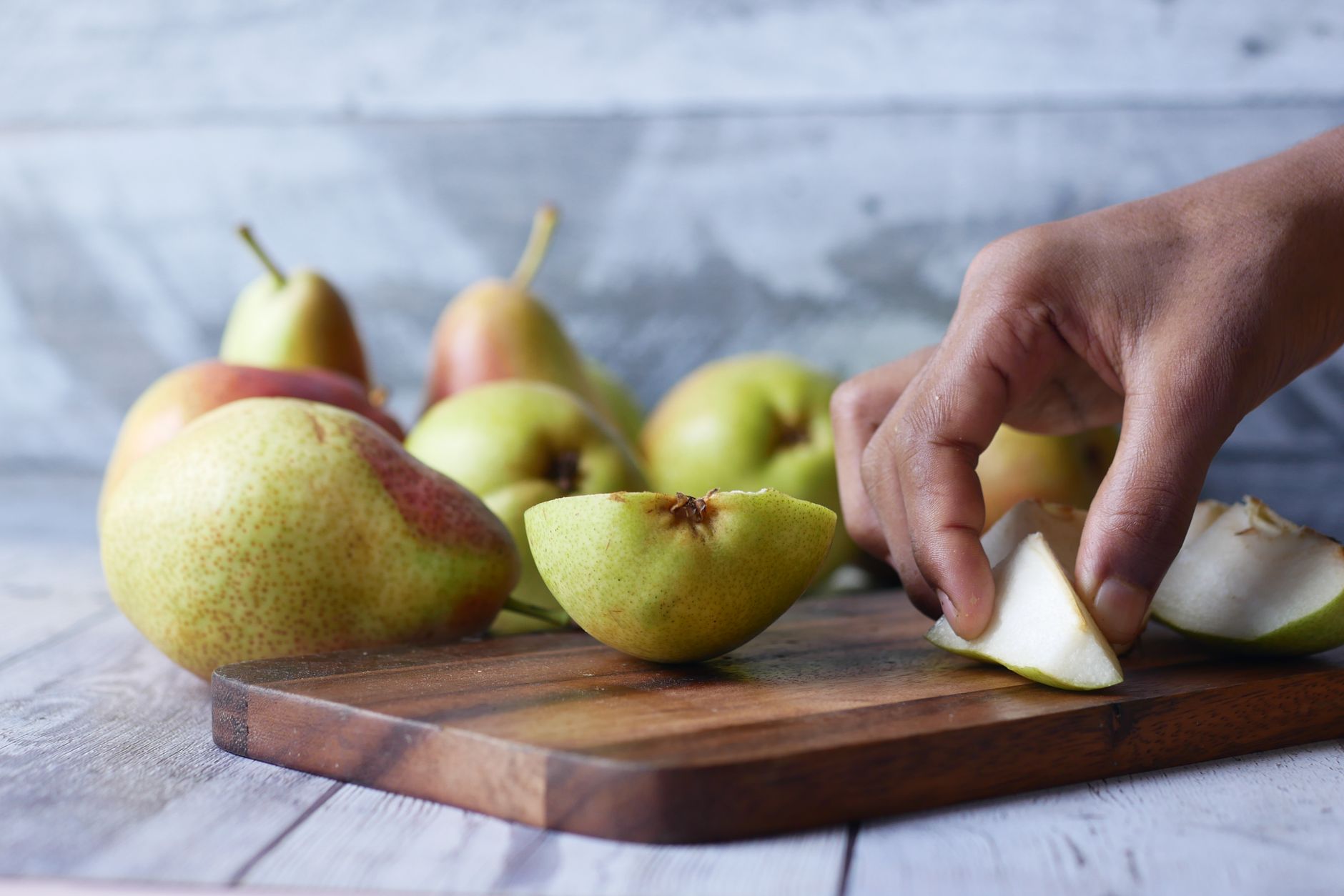
Pears are delicious fruits that not only tantalize the taste buds but also offer a wide range of culinary uses and health benefits. Their unique flavor profile, which ranges from sweet to slightly tart, makes them versatile for various dishes, from savory meals to sweet desserts.
In this article, we will explore what pears are good for by examining their nutritional benefits, ways to incorporate them into your cooking, popular recipes, and methods for selecting and storing them. Get ready to discover the multifaceted world of pears!
What Are Pears Good For?
Pears are good for a variety of uses, including fresh eating, cooking, baking, and preserving. They are rich in vitamins, fiber, and antioxidants, making them beneficial for digestion and overall health.
Additionally, pears can enhance both sweet and savory dishes, providing flavor and texture that elevate meals. Now let’s dive deeper into their uses and benefits.
Nutritional Benefits of Pears
Pears are not just tasty; they also pack a nutritional punch. Here are some key benefits of including pears in your diet:
- High in Fiber: Pears are an excellent source of dietary fiber, which aids digestion and helps maintain gut health. One medium pear contains about 5.5 grams of fiber.
- Rich in Vitamins: Pears provide essential vitamins such as vitamin C, which supports immune function, and vitamin K, which plays a role in blood clotting and bone health.
- Low in Calories: With only around 100 calories per medium-sized fruit, pears make for a great low-calorie snack.
- Antioxidants: Pears contain antioxidants that help combat oxidative stress in the body, which can lower the risk of chronic diseases.
Culinary Uses for Pears
Pears’ versatile nature allows them to be used in various culinary applications. Here’s how you can incorporate them into your cooking:
Fresh Eating
One of the simplest ways to enjoy pears is to eat them fresh. Whether sliced into salads or eaten whole as a snack, their juicy sweetness is hard to resist. Pair them with cheese such as blue cheese for a delightful textural contrast and flavor balance.
Cooking
Pears can be cooked in numerous ways, adding unique flavor to savory dishes. Consider roasting them with root vegetables or adding them to grain salads. Their natural sweetness complements savory ingredients beautifully.
For cooking, choose firm pears like Anjou or Bosc as they hold up better to heat without losing their shape.
Baking
Pears are also excellent for baking, bringing moisture and sweetness to baked goods. Popular baked items include:
- Pear muffins
- Pear tarts
- Pear bread
Their high water content can enhance the texture of various desserts.
Preserving and Canning
Canning pears or making pear preserves is a great way to enjoy their flavor year-round. Canned pears can be used in desserts, salads, or enjoyed straight out of the jar. A classic recipe is pear jam, which balances sweetness with a hint of spice.
Popular Pear Recipes
Now that you know the various uses for pears, let’s look at some specific recipes you can try:
Pear Bread Recipe
This moist and flavorful pear bread is perfect for breakfast or as a snack.
Yield: 1 loaf
Preparation Time: 20 minutes
Cooking Time: 1 hour
Total Time: 1 hour 20 minutes
Ingredients:
- 2 medium ripe pears, peeled and diced
- 1 cup granulated sugar
- 1/2 cup unsalted butter, melted
- 2 large eggs
- 1 teaspoon vanilla extract
- 1 1/2 cups all-purpose flour
- 1 teaspoon baking powder
- 1 teaspoon baking soda
- 1 teaspoon ground cinnamon
- 1/2 teaspoon salt
Essential Equipment:
- Mixing bowls
- Loaf pan (9×5 inches)
- Measuring cups and spoons
- Whisk or electric mixer
Method:
- Preheat your oven to 350°F (175°C). Grease the loaf pan or line it with parchment paper.
- In a mixing bowl, combine the melted butter with sugar, and mix until well blended. Add eggs one at a time, mixing well after each addition. Then stir in the vanilla extract.
- In a separate bowl, whisk together the flour, baking powder, baking soda, cinnamon, and salt.
- Gradually add the dry ingredients to the wet ingredients, mixing until just combined. Gently fold in the diced pears.
- Pour the batter into the prepared loaf pan and smooth the top. Bake in the preheated oven for about 60 minutes or until a toothpick inserted in the center comes out clean.
- Allow the bread to cool in the pan for about 10 minutes, then transfer to a wire rack to cool completely.
Pear Jam Recipe
This homemade pear jam is a delicious way to preserve pears and enjoy their flavor on toast or in pastries.
Yield: About 4 cups
Preparation Time: 30 minutes
Cooking Time: 45 minutes
Total Time: 1 hour 15 minutes
Ingredients:
- 4 cups diced ripe pears
- 2 cups granulated sugar
- 1/4 cup lemon juice
- 1 teaspoon ground cinnamon
- 1/2 teaspoon ground ginger
- 1 pouch fruit pectin (such as Sure-Jell)
Essential Equipment:
- Large pot
- Wooden spoon
- Canning jars with lids
- Jar lifter (for safely handling hot jars)
Method:
- In a large pot, combine the diced pears, sugar, lemon juice, cinnamon, and ginger. Stir well and let sit for about 30 minutes to macerate.
- Add the pectin to the mixture and bring it to a boil over medium heat. Stir continuously, ensuring that all the sugar dissolves.
- Once boiling, let cook for about 5-10 minutes until the mixture thickens. Check for the desired consistency by placing a spoonful on a plate to cool and see if it holds its shape.
- Pour the hot jam into sterilized jars, leaving about 1/4 inch of headspace. Wipe the rims of the jars with a clean cloth before sealing with lids.
- Process the jars in a boiling water bath for 10 minutes to ensure they are properly sealed and preserved.
Selecting and Storing Pears
Proper selection and storage of pears can significantly affect their flavor and texture. Here’s how to select and store them:
Selecting Pears
Choose pears that are free from bruises or blemishes. Depending on the variety:
- Bartlett: Soft skin and fragrant when ripe.
- Anjou: Green color that remains when ripe; slightly soft at the stem end.
- Bosc: Brown skin that turns slightly tender when ripe.
Storing Pears
Pears ripen after being picked, so store unripe pears at room temperature until they yield slightly to pressure at the stem end. Ripe pears should be refrigerated to prolong freshness, usually for about 3 to 5 days.
Common Mistakes with Pears
While cooking with pears, there are some common mistakes to avoid:
- Using Overripe Pears: Overripe pears can be too mushy for recipes. Always check for firmness, especially in baking.
- Not Prepping Properly: When slicing pears, remove the core and seeds, as they are not pleasant to eat.
- Ignoring Flavor Pairings: Pears can be paired with herbs and spices like rosemary, thyme, and nutmeg. Ignoring these pairings may yield less interesting flavors.
Practical Tips for Cooking with Pears
Here are some practical tips to enhance your cooking with pears:
- To prevent browning, coat cut pears with lemon juice or vinegar.
- For added flavor, add spices like cinnamon or nutmeg when cooking or baking pears.
- Experiment with cheese pairings; pears go particularly well with sharp or creamy cheeses.
Pears are versatile fruits that can elevate your dishes while providing great health benefits. Whether you’re baking a loaf of pear bread, making a jar of pear jam, or simply enjoying one fresh, pears undeniably bring joy to culinary creations.
To continue your exploration, try these recipes: Pear Bread Recipe and Pear Jam Recipe. Each showcases the delicious and adaptable nature of pears, allowing you to enjoy this delightful fruit in new and exciting ways.