
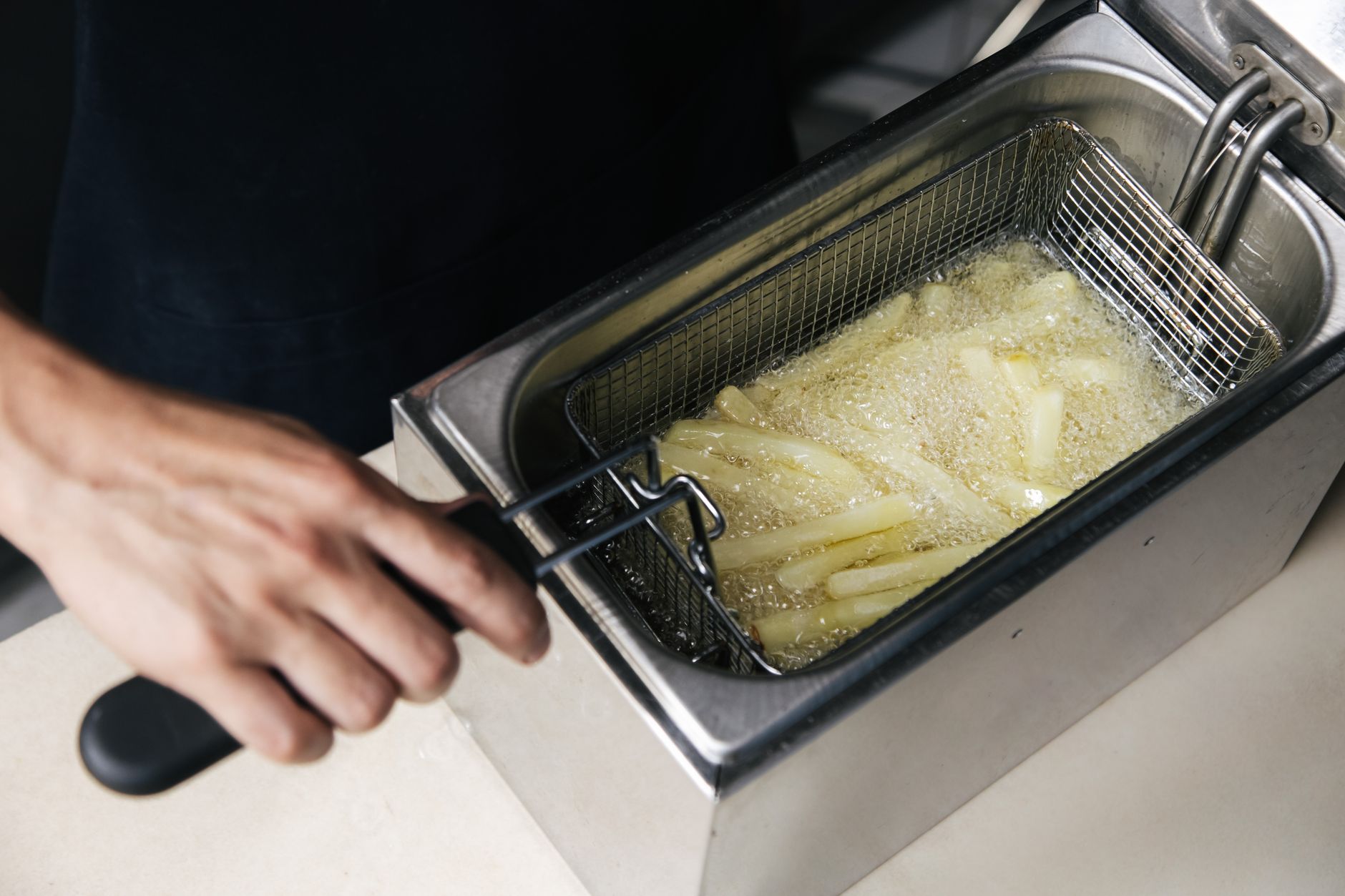
Deep frying a turkey is a popular cooking method that is often associated with special occasions like Thanksgiving or festive gatherings. It results in a succulent bird with crispy skin that is hard to resist. However, one common question arises among those unfamiliar with the technique: how long does it take to deep fry a turkey?
The cooking time varies depending on a few key factors, including the turkey’s weight, temperature, and method of preparation. In this article, we will provide a comprehensive guide to help you understand how long to deep fry a turkey, along with tips for safety, seasoning, and achieving the best flavor and texture.
How Long Does It Take to Deep Fry a Turkey?
On average, you should plan to deep fry a turkey for about 3 to 4 minutes per pound. For example, a 12-pound turkey might take roughly 36 to 48 minutes to cook. It’s essential to monitor the cooking process closely and use a meat thermometer to ensure the turkey reaches a safe internal temperature.
Essential Equipment for Deep Frying a Turkey
Before you deep fry a turkey, gather the necessary equipment for a safe and successful frying experience. Here’s what you’ll need:
- Turkey fryer: A specialized deep fryer designed for frying large birds is essential.
- Propane tank: Most turkey fryers require propane as a source of heat.
- Cooking oil: Peanut oil is often preferred due to its high smoke point.
- Meat thermometer: A digital or instant-read thermometer to check the turkey’s internal temperature.
- Safety gear: Heat-resistant gloves and protective eyewear are recommended.
- Long-handled utensil: A turkey fryer basket or frying hook helps remove the turkey safely.
- Fire extinguisher: Important for safety in case of flare-ups.
Choosing the Right Turkey
Selecting the right turkey is crucial for a successful deep frying experience. Here are some key considerations:
- Size: Aim for a turkey that is no more than 14 pounds. Larger turkeys may not cook evenly.
- Frozen vs. Fresh: If using a frozen turkey, ensure it is completely thawed before frying, as water can cause dangerous splatter.
- Freshness: Purchase high-quality, fresh birds if possible for better flavor and texture.
Preparing the Turkey for Deep Frying
Proper preparation is essential to achieve optimal results. Follow these steps to get your turkey ready:
- Thaw the turkey: If frozen, allow the turkey to thaw in the refrigerator for approximately 24 hours for every 4 to 5 pounds.
- Remove the giblets: Check the cavity for any packaging materials, including the neck and giblets.
- Pat dry: Use paper towels to dry the turkey thoroughly, both inside and out, to reduce splattering during frying.
- Inject flavor (optional): Consider using a turkey injector to add marinades or seasonings to the meat, enhancing flavor and moisture.
- Season: Season the exterior of the turkey with your choice of spices, herbs, or a dry rub.
Calculating the Cooking Time
As mentioned earlier, the cooking time is generally 3 to 4 minutes per pound. Use the following formula to determine how long to deep fry your turkey:
Cooking Time = Weight of Turkey (in pounds) × 3 to 4 minutes
For example, a 10-pound turkey:
10 pounds × 3 to 4 minutes = 30 to 40 minutes
Weight Chart for Cooking Times
| Turkey Weight (pounds) | Cooking Time (minutes) |
|---|---|
| 8 | 24 – 32 |
| 10 | 30 – 40 |
| 12 | 36 – 48 |
| 14 | 42 – 56 |
Proper Deep Frying Technique
Understanding the technique is essential for deep frying a turkey safely and effectively. Follow these steps for best results:
- Set Up the Fryer: Place your fryer outdoors on a flat, stable surface away from any structures.
- Fill with Oil: Fill your fryer with oil according to the manufacturer’s guidelines. Typically, you’ll need enough oil to fully submerge the bird but not exceed the fryer’s capacity.
- Preheat the Oil: Heat the oil to a temperature of about 350°F (175°C). A thermometer can help you monitor this closely.
- Lower the Turkey: Using the frying basket or hook, carefully and slowly lower the turkey into the hot oil. This process can be dangerous, and you should take precautions to prevent splashing.
- Monitor the Temperature: Keep the oil temperature steady between 325°F and 350°F. Adjust the heat as necessary.
- Cook until Done: Use the weight of the turkey to determine how long it should stay in the oil. Check internal temperature (165°F or 74°C) before removing.
- Remove and Drain: Carefully lift the turkey out of the oil and allow it to drain, using a designated area or pan.
- Rest: Let the turkey rest for at least 20 minutes before carving. This allows juices to redistribute.
Safety Considerations When Deep Frying a Turkey
Safety is paramount when deep frying a turkey. Here are some important safety tips to keep in mind:
- Always fry outdoors: Cooking with hot oil indoors can cause fires or toxic fumes.
- Keep a safe distance: Maintain a safe distance from people and pets during the cooking process.
- Use a thermometer: Ensure the oil is at the correct temperature before and during the frying process.
- Monitor the oil level: Avoid overflowing or excessive splatter by checking the oil level before frying.
- Be cautious of flare-ups: Never try to extinguish a grease fire with water. Use a fire extinguisher rated for grease fires.
Serving Suggestions and Pairings
Deep-fried turkey pairs wonderfully with several delicious sides and accompaniments. Consider serving it with:
- Cranberry sauce for a tart complement.
- Stuffing, which can soak up the bird’s juices.
- Mashed potatoes topped with gravy.
- Green beans or sautéed vegetables for freshness.
- Biscuits or cornbread to round out the meal.
Common Mistakes to Avoid
To ensure your deep-fried turkey turns out perfectly, avoid these frequent pitfalls:
- Not drying the turkey: Failing to pat the turkey dry can lead to dangerous splatter and less crispy skin.
- Overcrowding the fryer: Frying multiple turkeys or other foods at once can drop the oil temperature and result in undercooked meat.
- Skipping the thermometer: Always check that the turkey has reached a safe internal temperature.
- Cooking indoors: Never attempt deep frying indoors to prevent potential fires and hazards.
- Not allowing for resting time: Carving the turkey too soon will result in a loss of moisture and flavor.
Frequently Asked Questions
Can I use any oil for deep frying a turkey?
While you can use various oils, it is advisable to select oils with a high smoke point. Peanut oil is a popular choice due to its stability and flavor. Other suitable oils include canola or corn oil.
What if my turkey floats?
It is common for some parts of a turkey to float while frying. However, ensure that it remains submerged in the oil to cook evenly. If your turkey is not fully submerged, gently adjust its position using a long utensil or the frying basket.
Can I deep fry a pre-brined turkey?
It is not recommended to deep fry a pre-brined turkey as the additional moisture can result in excess splattering. Ensure the turkey is thawed, dried, and seasoned according to your preference.
Storage and Reheating Tips
Any leftover deep-fried turkey should be stored properly to maintain its quality. Here’s what to do:
- Allow the turkey to cool to room temperature before refrigerating.
- Wrap the turkey in plastic wrap or aluminum foil and store it in an airtight container.
- Consume refrigerated turkey within 3-4 days for best taste.
To reheat, place the turkey in a preheated oven at 350°F (175°C) for about 20-30 minutes or until heated through. Note that reheating can affect the texture and crispiness of the skin.
Deep frying a turkey can be an exciting and rewarding culinary endeavor when done correctly. By following the guidelines laid out in this article, you’ll be well-prepared to create a flavorful dish that impresses your guests. Remember to keep an eye on the cooking time, maintain safety protocols, and don’t hesitate to explore flavor variations.
If you’re interested in learning more about cooking turkey, check out our guide on how long to cook turkey per pound or try a delicious turkey injection recipe to enhance your next meal. Enjoy your cooking journey!