
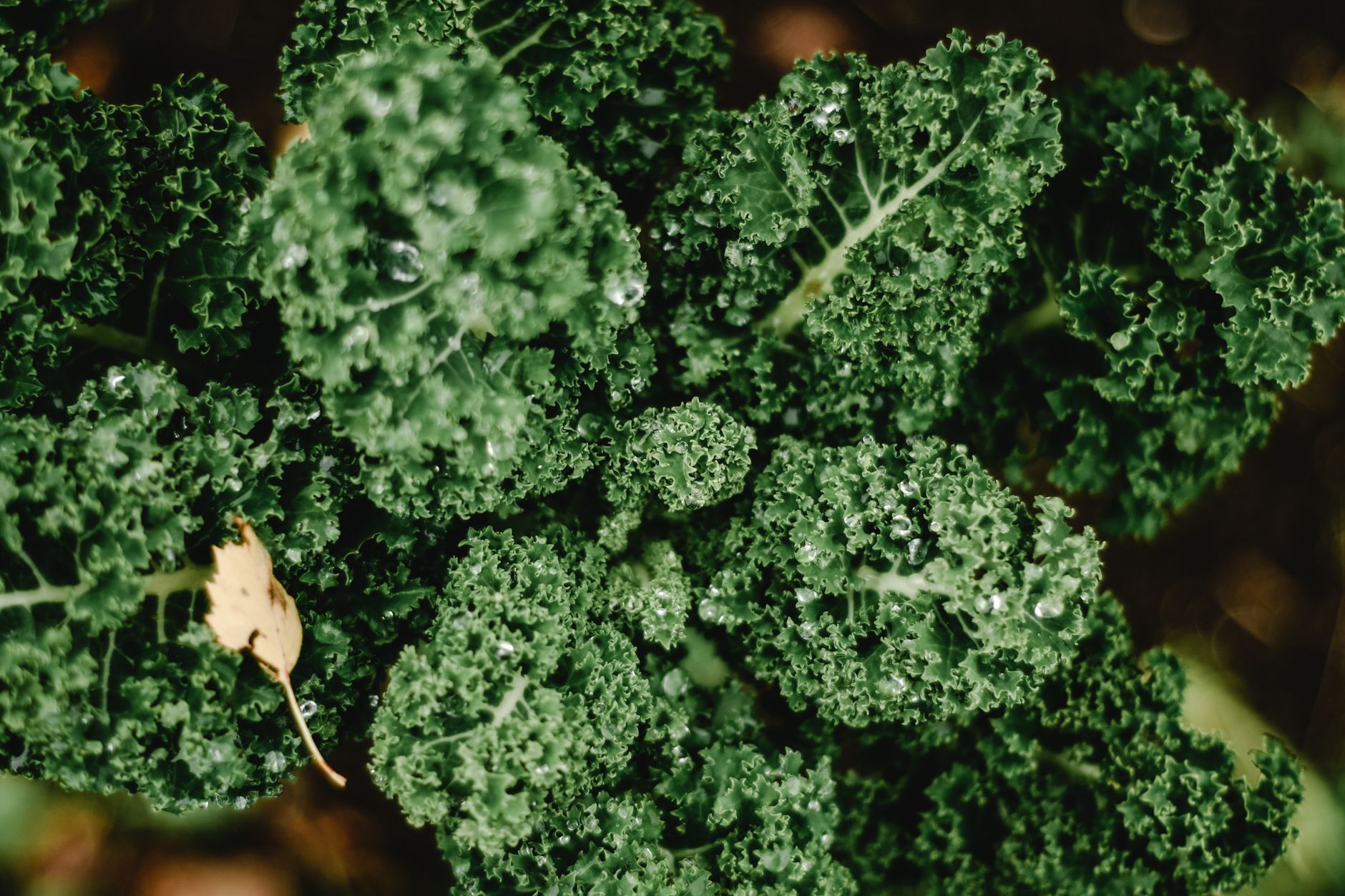
Kale has become a popular staple in many kitchens due to its nutritional benefits and versatility. A common question among health-conscious consumers is whether kale has fiber. This leafy green is known not just for its vibrant color and health claims, but also its dietary fiber content, which plays an essential role in digestive health and overall well-being.
In this article, we will explore kale’s fiber content, discuss its health benefits, and provide practical ways to incorporate this nutritious vegetable into your diet. Whether you’re a kale enthusiast or just starting, you will find valuable information to help you appreciate this superfood.
Does Kale Have Fiber?
Yes, kale is an excellent source of dietary fiber. A single serving of cooked kale (about one cup, or 130 grams) contains approximately 2.5 grams of fiber. This represents a significant portion of the recommended daily fiber intake, which is 25 grams for women and 38 grams for men. Fiber is crucial for digestive health, helping to regulate bowel movements and maintain intestinal health.
The Importance of Fiber in Our Diet
Dietary fiber is essential for various bodily functions and health benefits. It can be categorized into two types: soluble and insoluble fiber. Both types play a role in digestion and overall health.
Benefits of Soluble Fiber
Soluble fiber dissolves in water and forms a gel-like substance in the stomach. It can help:
- Lower cholesterol levels
- Regulate blood sugar levels
- Promote feelings of fullness
Benefits of Insoluble Fiber
Insoluble fiber, on the other hand, remains intact as it moves through the digestive system. It helps:
- Prevent constipation
- Support a healthy gut by promoting regular bowel movements
- Boost satiety and control appetite
Understanding Kale: Varieties and Their Fiber Content
Kale belongs to the Brassica family, which includes other leafy greens like cabbage and broccoli. There are several popular varieties of kale, each with its unique flavor and texture, although their fiber content is generally similar.
Common Varieties of Kale
- Curly Kale: The most recognizable type with frilly leaves, often used for salads and garnishes.
- Lacinato Kale: Also known as dinosaur or Tuscan kale, it has dark, flat leaves and a slightly sweeter flavor.
- Red Russian Kale: This variety has soft, tender leaves that are purple and green, with a milder taste.
All varieties of kale are rich in fiber and can fit into a high-fiber diet.
How to Prepare Kale for Maximum Fiber Retention
Preparing kale properly can enhance its taste and texture while retaining its fiber content. Here are some tips for cooking and eating kale to maximize its fiber benefits:
Raw Kale in Salads
Using raw kale in salads can be a great way to enjoy its crunchy texture and high fiber content. When using curly kale, consider massaging it with a bit of olive oil and lemon juice to soften the leaves and enhance flavors.
Cooking Methods that Retain Fiber
When cooking kale, try these methods to maintain its fiber:
- Steaming: Quickly steam kale for 3-5 minutes to soften it without losing too many nutrients.
- Stir-frying: Use a small amount of oil to sauté kale quickly, retaining most of its fiber and nutrients.
- Boiling: Avoid boiling kale for extended periods, as this can lead to nutrient loss. If boiling is preferred, use the water for soups or sauces to capture some lost nutrients.
Overcooking kale can lead to a mushy texture and loss of fiber, so always aim for a short cooking time.
Incorporating Kale into Your Diet
Here are a few practical and delicious ways to include kale in your meals, ensuring you reap its fiber benefits:
Kale Smoothies
Add a handful of fresh kale to your morning smoothie. It pairs well with fruits like bananas, berries, and mangoes, allowing you to enjoy a nutrient-packed breakfast.
Soups and Stews
Chop kale and add it to soups or stews in the last few minutes of cooking. This method preserves its vibrant color and adds a nutritional boost to the dish.
Oven-Baked Kale Chips
Prepare your own kale chips by tossing kale leaves with olive oil and seasoning, then baking them at a low temperature until crispy. This offers a satisfying and healthy snack rich in fiber.
Side Dishes
Sauté kale with garlic and olive oil for a quick side dish. Pair it with whole grains or proteins to complement a balanced meal.
Kale in Salads
Use kale as a base for salads instead of traditional greens. Mix it with grains like quinoa or bulgur, and add ingredients like nuts, seeds, and cheese for a hearty, fiber-rich meal.
Practical Substitutions for Boosting Fiber
If you’re looking to increase the fiber content of your meals but don’t have kale on hand, consider these alternatives:
- Spinach: Similar nutrient profile and can be used in salads, smoothies, or cooked dishes. However, spinach has a slightly lower fiber content.
- Swiss Chard: Another leafy green packed with nutrients, it can be sautéed or added to soups.
- Collard Greens: These have a similar texture and can provide even more fiber; they work well when cooked.
- Broccoli: High in fiber and can be steamed or roasted, serving as a great side dish or salad addition.
Common Mistakes and Troubleshooting
Incorporating kale into your diet can be straightforward, but some common pitfalls can affect your dishes:
Overcooking Kale
As previously mentioned, overcooking kale can lead to a mushy texture and loss of fiber. Aim for quick cooking times or enjoy it raw to maximize its benefits.
Ignoring Preparation Techniques
Failing to wash kale thoroughly can leave grit on the leaves. Always rinse kale under cold water and dry well before using it to ensure a pleasant eating experience.
Skimping on Seasoning
Kale can have a strong, bitter flavor when raw. When cooking, always season well with salt, acid (like lemon juice), or spices to enhance its natural taste.
Storage and Reheating Guidelines
To retain the freshness and nutritional content of kale, proper storage is essential.
Storage Tips
- Keep kale in an airtight container or plastic bag in the refrigerator. Aim to consume it within 5-7 days for the best quality.
- Store unwashed kale to help keep moisture away and prolong its shelf life.
Reheating Instructions
If you’ve cooked kale in a dish and want to reheat it, do so gently. Avoid using high heat, as this can make the kale tough.
Kale and Diet Considerations
While adding kale to your diet can offer many benefits, it is important to consider your overall dietary needs and individual health conditions. Kale is suitable for most diets, including vegetarian, vegan, and gluten-free options.
For Individuals with Thyroid Concerns
Kale, being a cruciferous vegetable, contains goitrogens that may interfere with thyroid function when consumed in excessive amounts. Cooking kale can reduce these compounds, making it safer for individuals with thyroid issues.
Kale Recipes to Try
If you’re looking to experiment with kale in your kitchen, here are two recipes that showcase this nutritious green:
Dandelion Greens and Kale Salad Recipe
This simple salad balances the bitterness of dandelion greens with the mildness of kale, topped with a light vinaigrette.
- Combine 2 cups of chopped kale, 1 cup of dandelion greens, and 1/2 cup of cherry tomatoes in a bowl.
- Make a dressing by whisking together 3 tablespoons of olive oil, 1 tablespoon of apple cider vinegar, salt, and pepper to taste.
- Pour the dressing over the greens and toss to combine.
- Let it marinate for about 10 minutes before serving for the best flavor.
Spring Salad Recipe
This vibrant salad features a mix of fresh veggies, grains, and kale for a hearty dish.
- In a large bowl, combine 2 cups of chopped kale, 1 cup of cooked quinoa, 1/2 cup of diced cucumber, 1/4 cup of thinly sliced radishes, and 1/4 cup of chopped parsley.
- Make a dressing with 1/4 cup of lemon juice, 2 tablespoons of olive oil, and salt and pepper to taste.
- Drizzle the dressing over the salad and toss gently to combine.
- Serve immediately or store in the fridge for a refreshing meal option throughout the week.
Conclusion
Kale is a nutrient-rich leafy green that offers an impressive amount of dietary fiber. Including it in your meals is a delicious way to boost your fiber intake, which can support digestive health and overall well-being. By employing various cooking methods and creative recipes, you can enjoy this versatile vegetable in many ways and reap its many benefits.
Explore more healthy recipes, cooking tips, or food guides, including this Dandelion Greens and Kale Salad Recipe or this Spring Salad Recipe to keep your diet exciting and nutritious.