
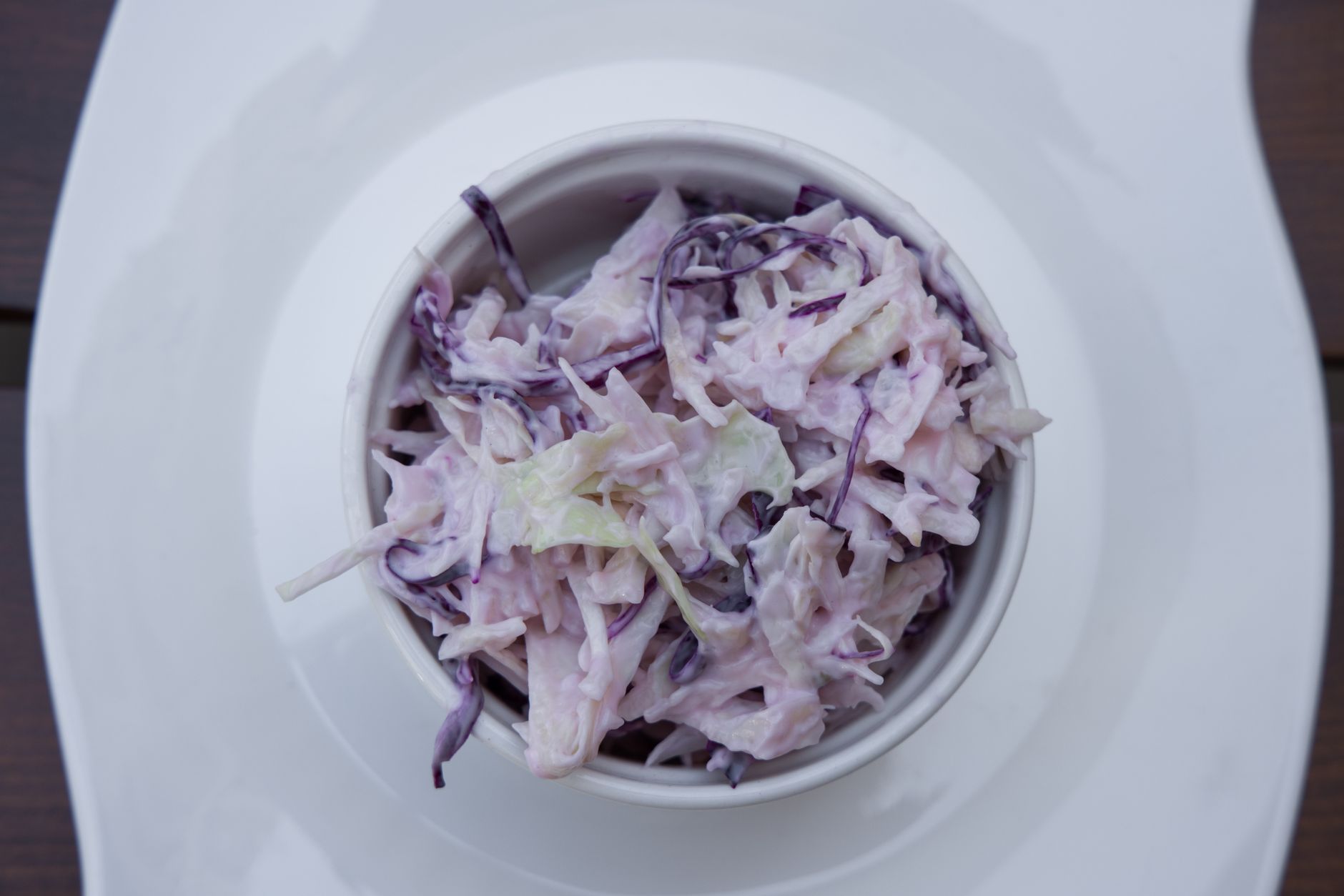
Cabbage is a cruciferous vegetable that’s often found in salads, stir-fries, and various dishes around the world. Given its fiber content and nutritional benefits, some people wonder, “Does cabbage make you poop?” This article will delve into the relationship between cabbage, fiber, and digestion, as well as explore ways to enjoy cabbage in your cooking.
This vegetable comes in several varieties, including green, red, Savoy, and Napa cabbage, each with its unique flavor and textural properties. Understanding its impact on digestion can help you incorporate it healthily and deliciously into your meals. Let’s explore how cabbage affects your digestive system and learn some cooking tips for this versatile vegetable.
Does Cabbage Make You Poop?
Yes, cabbage can help regulate your bowel movements and may indeed make you poop. Cabbage is rich in dietary fiber, which is essential for maintaining digestive health. Fiber adds bulk to the stool, making it easier to pass and can help alleviate constipation. However, it’s important to note that while cabbage promotes healthy digestion, it can also cause gas or bloating in some individuals.
Understanding Dietary Fiber and Its Benefits
Fiber is a type of carbohydrate that the body cannot digest. It passes through the digestive system relatively intact, adding bulk to the stool. There are two types of dietary fiber, both of which are found in cabbage:
- Soluble Fiber: This type dissolves in water and can help lower blood cholesterol and glucose levels. It tends to create a gel-like substance in the gut, which can help regulate digestion.
- Insoluble Fiber: This type does not dissolve in water and adds bulk to the stool, helping food pass more quickly through the stomach and intestines. Insoluble fiber helps prevent constipation and promotes regular bowel movements.
The Fiber Content in Cabbage
One cup of raw cabbage contains about 2 grams of dietary fiber, which may not seem like a lot but can contribute to the daily recommended intake of fiber, which is about 25 grams for women and 38 grams for men. Increasing fiber gradually is crucial to allow your digestive system to adjust.
How Cabbage Affects Digestion
When cabbage is consumed, the fiber it contains helps stimulate the digestive tract, promoting regular bowel movements. Here are some specific ways cabbage aids digestion:
- Promotes Regularity: The insoluble fiber in cabbage adds bulk to the stool, helping to push waste through the intestines more effectively.
- Improves Gut Health: Fiber serves as food for beneficial gut bacteria, which can enhance overall gut health and digestion.
- Detoxification: Cabbage contains glucosinolates, compounds that may aid in liver detoxification and promote a healthy digestive system.
Potential Side Effects of Cabbage
While cabbage is beneficial for digestion, it can also have some side effects:
- Gas and Bloating: Cabbage contains raffinose, a complex carbohydrate that can be difficult to digest. This may lead to gas in some individuals.
- Allergies: Although rare, some individuals may have allergies to cabbage or other cruciferous vegetables.
Cooking Methods for Cabbage
Cooking cabbage can alter its effects on digestion. Generally, cooked cabbage is easier to digest than raw cabbage. Here are some cooking methods that can help mitigate gas production while still enjoying all the benefits of this nutritious vegetable:
Boiling
Boiling cabbages can soften the fibers, making them easier to digest. Here’s a simple method for boiling:
- Fill a pot with water and bring it to a boil.
- Add chopped cabbage to the boiling water.
- Cook for 5-10 minutes, depending on your desired tenderness.
- Drain and season as desired before serving.
Sautéing
Sautéing is another great way to prepare cabbage while enhancing its flavor:
- Heat a tablespoon of oil in a large pan over medium heat.
- Add sliced cabbage and cook, stirring frequently.
- Continue for about 5-7 minutes until the cabbage is tender but still crunchy.
- Season with salt, pepper, and a splash of vinegar or soy sauce for added flavor.
Fermenting
Fermented cabbage, such as sauerkraut or kimchi, is not only delicious but also excellent for gut health due to the probiotics produced during fermentation:
- Finely slice cabbage and mix with salt in a large bowl, allowing it to wilt slightly.
- Pack the cabbage tightly into a sterilized jar, leaving some headspace.
- Add water as needed to cover the cabbage, then seal the jar.
- Let it ferment at room temperature for 1-4 weeks, checking for flavor and texture.
Recipes Featuring Cabbage
If you’re looking to add cabbage to your diet, here are a couple of recipes you can try:
Simple Sautéed Cabbage
This simple sautéed cabbage recipe is quick, easy, and allows you to enjoy the benefits of cabbage while minimizing gas production.
- Ingredients:
- 1 medium head of green cabbage, shredded
- 2 tablespoons olive oil
- 1 teaspoon salt
- 1 teaspoon pepper
- 1 tablespoon apple cider vinegar (optional)
Instructions:
- Heat the olive oil in a large skillet over medium heat.
- Add shredded cabbage and season with salt and pepper.
- Sauté for about 8-10 minutes until wilted and tender.
- Drizzle with apple cider vinegar if desired and serve hot.
Hearty Cabbage Soup
This comforting soup is packed with vegetables and is an excellent way to get your fiber fix.
- Ingredients:
- 1 medium head of cabbage, chopped
- 1 onion, chopped
- 2 carrots, sliced
- 2 garlic cloves, minced
- 6 cups vegetable or chicken broth
- Salt and pepper to taste
- Your choice of herbs, such as thyme or parsley
Instructions:
- In a large pot, sauté onions and garlic until fragrant.
- Add carrots and cabbage, cooking for an additional 5 minutes.
- Pour in the broth, bring to a boil, then simmer for 30 minutes.
- Season with salt, pepper, and herbs before serving.
Tips for Enjoying Cabbage
To maximize the benefits of cabbage while minimizing discomfort, consider these tips:
- Start with small portions if you are not used to consuming high-fiber vegetables.
- Combine cabbage with other cooked vegetables for a well-rounded meal.
- Stay hydrated when increasing fiber intake to help with digestion.
- Explore various cooking methods to find what works best for you.
Common Mistakes to Avoid
When cooking cabbage, certain pitfalls can lead to unappealing dishes or digestive discomfort:
- Overcooking: Avoid cooking cabbage for too long, as it can become mushy and lose its vibrant flavor and nutrients.
- Skipping Preparation: Not washing or chopping cabbage properly can affect the taste and texture of your dishes.
- Ignoring Allergies: If you’re prone to gas or bloating, consider experimenting with smaller amounts or different cabbage varieties.
Storage and Reheating Tips
To keep cabbage fresh and delicious, follow these storage tips:
- Store cabbage in the refrigerator, wrapped in plastic, or in a perforated plastic bag for up to one week.
- Cooked cabbage can be stored in an airtight container in the fridge for 3-5 days and reheated gently in a skillet or microwave.
While cabbage is a fantastic addition to your diet, moderation is vital for avoiding digestive issues. By understanding how to cook and incorporate cabbage into your meals effectively, you can enjoy its many health benefits.
In summary, cabbage not only promotes healthy digestion but can also add tasty variety to your meals. Consider trying sautéed cabbage or hearty cabbage soup for nutritious dishes. Explore more recipes, such as our sautéed cabbage or cabbage boil recipe, to experience the versatility of this leafy green vegetable.