
Picture yourself stirring a creamy pot of rice on a quiet weeknight, the aroma of fresh lemon filling your kitchen as butter melts into something golden and luxurious. Lemon risotto is that rare dish that feels restaurant-quality but comes together in under 30 minutes on your stovetop.
This isn’t just rice and broth thrown together. The magic happens when you treat risotto with respect, adding stock gradually and stirring with intention, coaxing the rice into releasing its starches and creating a sauce that clings to every grain. Lemon brings brightness and sophistication without any heaviness, making this dish perfect for weeknight dinners or when you want to impress without the fuss.
Whether you’re cooking for yourself or a table full of guests, this recipe proves that simple ingredients and proper technique create something unforgettable. Let’s walk through how to make it.
Why You’ll Love This Recipe
This risotto checks every box for home cooks who want something special but realistic on a busy schedule.
- Ready in 30 minutes with minimal hands-on time once you get going
- Naturally vegetarian and pairs beautifully with seafood or chicken if you want to build on it
- The bright lemon flavor elevates simple ingredients into something restaurant-worthy
- Creamy texture from the rice itself, not from heavy cream or unnecessary shortcuts
- One pot means easy cleanup and less stress in the kitchen
My Experience Making This Recipe
I first made risotto properly during a cooking class, and honestly, I was nervous. The constant stirring seemed tedious, and I thought the whole thing might be fussy and unpredictable. Then something clicked when I understood that the stirring and gradual stock additions weren’t busy work but the actual foundation of great risotto.
When I brought this lemon version home and cooked it for my partner, the reaction was immediate. They asked if I’d ordered from somewhere fancy, which pretty much made my night. The creamy, lemony bites tasted elegant but felt casual, the kind of dinner you can make on a Tuesday and feel good about.
Now I make it regularly, sometimes with a scatter of fresh herbs or shrimp on top. Each time, I appreciate how straightforward it is once you understand the rhythm of it. This recipe genuinely converts risotto skeptics into believers.
Recipe Overview
- Recipe Name: Lemon Risotto
- Servings: 4 servings
- Prep Time: 10 minutes
- Cook Time: 25 minutes
- Total Time: 35 minutes
- Course: Main Course
- Cuisine: Italian
- Calories per Serving: 385
Equipment You Will Need
- Large heavy-bottomed saucepan or risotto pan
- Wooden spoon or silicone spoon for stirring
- Separate saucepan for keeping broth warm
- Cutting board and sharp knife
- Zester or microplane grater
- Measuring cups and spoons
- Citrus juicer or reamer
Ingredients for Lemon Risotto
- Arborio rice, 1 1/2 cups
- Vegetable broth, 4 1/2 cups
- Fresh lemon juice, 1/3 cup (about 2 lemons)
- Lemon zest, 2 tablespoons
- White wine, 1/2 cup (dry, optional but recommended)
- Yellow onion, 1 medium, finely diced
- Butter, 4 tablespoons (divided)
- Parmesan cheese, 3/4 cup, freshly grated
- Extra virgin olive oil, 2 tablespoons
- Sea salt, to taste
- Black pepper, to taste
- Fresh parsley, 2 tablespoons, chopped (optional garnish)
Ingredient Notes and Substitutions
- Arborio Rice: This short-grain rice releases starch as it cooks, creating the signature creamy texture risotto needs. Carnaroli rice works as a solid substitute and holds its shape slightly better if you prefer a bit more texture.
- Vegetable Broth: Chicken broth adds richer flavor if you prefer it, though vegetable keeps the dish lighter and lets the lemon shine. Avoid beef broth, which overpowers the delicate lemon notes.
- Fresh Lemon Juice: Bottled lemon juice works in a pinch but tastes noticeably less vibrant. Fresh juice is worth the minute it takes to squeeze.
- White Wine: This adds acidity and depth, but you can replace it with more broth if you prefer to skip alcohol. The flavor will be slightly less complex but still delicious.
- Butter and Parmesan: Both are traditional and irreplaceable for proper risotto texture and taste. Vegan butter and nutritional yeast can substitute for dietary needs, though the result differs noticeably.
How to Make Lemon Risotto
Step 1: Warm Your Broth
Pour your vegetable broth into a separate saucepan and bring it to a gentle simmer over medium heat. Keeping the broth warm ensures the rice cooks evenly and doesn’t shock the grains with cold liquid, which disrupts the gradual starch release that creates creaminess.
Step 2: Saute the Onion
Heat 2 tablespoons of butter and the olive oil in your large saucepan over medium heat. Add your finely diced onion and cook for 2 to 3 minutes, stirring occasionally, until it softens and becomes translucent but doesn’t brown.
Step 3: Toast the Rice
Add the Arborio rice to the softened onion and stir constantly for about 1 minute. This toasting step seals the rice grains and helps them maintain their structure while they cook, preventing mushiness.
Step 4: Add the Wine
Pour in the white wine and stir until the rice absorbs it completely, about 1 to 2 minutes. The wine adds acidity and flavor depth that you’ll taste in every bite, so don’t skip this if possible.
Step 5: Begin Adding Broth
Add the warm broth one ladle at a time (roughly 3/4 cup per ladle), stirring frequently. Wait until each addition is mostly absorbed before adding the next, which usually takes 1 to 2 minutes per ladle.
Step 6: Continue the Stirring Process
Keep adding broth gradually and stirring for about 18 to 20 minutes total until the rice is creamy and tender but still has a slight bite (what Italians call al dente). You should use most of your broth by the end, though you might not need every last drop.
Step 7: Add Lemon and Final Butter
Once the rice is cooked through, remove the pan from heat and stir in the lemon juice and remaining 2 tablespoons of cold butter. The cold butter creates a silkier texture and the lemon brings everything to life with brightness.
Step 8: Finish with Cheese and Season
Stir in your freshly grated Parmesan cheese and lemon zest, then taste and adjust salt and pepper as needed. The cheese adds richness and the zest brings a final pop of lemon flavor that makes this dish sing.
Pro Tip: Never skip the cold butter at the end. This technique, called mantecatura in Italian cooking, transforms good risotto into silky, luxurious risotto by creating an emulsion between the butter and the creamy rice.
Tips for the Best Lemon Risotto
- Use freshly grated Parmesan instead of pre-grated cheese, which contains anti-caking agents that prevent proper melting and creaminess. The difference in texture and flavor is noticeable and worth the 2 minutes of grating time.
- Keep your broth temperature consistent by maintaining a gentle simmer in its separate pan throughout cooking. Cold broth slows the cooking process and disrupts the starch release that creates risotto’s signature creaminess.
- Don’t wander away from the stove during cooking, but don’t obsess over stirring constantly either. Stir frequently enough that the rice doesn’t stick to the bottom, roughly every 30 seconds, but not so constantly that you prevent the bottom from forming a light crust.
- Taste the rice starting around the 18-minute mark to judge doneness. Each stove cooks differently, and you want that perfect tender-but-slightly-firm texture, not mushy or hard rice.
- Have all your final ingredients (butter, cheese, lemon juice, zest) prepped and measured before you start cooking. Once risotto finishes, you need to work quickly and can’t stop to chop or measure.
- Use good quality lemon if possible. Meyer lemons add sweetness and complexity, while regular Eureka lemons bring bright acidity. Taste your lemon juice before using it to judge how much you need.
Common Mistakes to Avoid
- Adding broth too quickly or in large amounts causes the rice to cook unevenly and prevents proper starch release. The gradual, ladle-by-ladle method isn’t a suggestion but the actual technique that makes risotto work.
- Using cold broth directly from the fridge slows the cooking process and makes the rice texture inconsistent. Always keep your broth at a gentle simmer in a separate pot.
- Overcooking the rice past al dente turns it to mush and erases the texture that makes risotto special. Start checking at 18 minutes and pull it when rice still has a tiny bit of resistance when you bite it.
- Skipping the final butter and cheese step or adding them too early reduces creaminess. The cold butter at the very end creates an emulsion that makes risotto luxurious, not just creamy.
- Using pre-grated Parmesan instead of freshly grated prevents the cheese from melting smoothly into the rice. The anti-caking agents in pre-grated cheese also leave a grainy texture rather than a silky one.
Serving Suggestions
This risotto shines on its own but welcomes accompaniments that don’t overshadow its delicate lemon flavor. Pair it with something light and fresh that complements rather than competes.
- Top with seared scallops or shrimp for an elegant protein that echoes the lemon brightness
- Serve alongside a crisp white wine like Pinot Grigio or Sauvignon Blanc
- Add a simple arugula salad dressed with just olive oil and lemon juice for freshness
- Garnish with fresh parsley and a drizzle of good quality olive oil for herbal notes
- Pair with roasted asparagus or grilled zucchini for a light vegetable side
Variations to Try
- Lemon Risotto with Seafood: Stir in cooked shrimp or scallops during the last minute of cooking, or top finished risotto with seared seafood. The brininess complements the lemon and adds protein without changing the base recipe.
- Lemon Risotto with Fresh Herbs: Mix in chopped fresh basil, dill, or tarragon along with the parsley at the end. Herbs brighten the dish further and add sophisticated flavor layers.
- Creamy Lemon Risotto with Peas: Stir in frozen peas during the last 5 minutes of cooking for color, sweetness, and texture variation. Peas add a classic Italian touch that feels both comforting and elegant.
- Lemon Risotto with White Wine and Garlic: Add 2 minced garlic cloves to the onion when sauteing for deeper savory notes. Garlic pairs beautifully with lemon and adds complexity without overpowering the dish.
- Lemon Risotto with Truffle Oil: Drizzle a small amount of truffle oil over finished risotto just before serving for luxury and earthiness. This small addition transforms the dish into something special occasion worthy.
Dietary Adaptations
- Gluten-Free: Arborio rice is naturally gluten-free, so this recipe works as written for gluten-free diets. Just verify that your broth and wine contain no gluten additives.
- Dairy-Free: Replace butter with olive oil and Parmesan with nutritional yeast for a vegan-friendly version. The result will be less creamy and rich, but still flavorful and satisfying.
- Vegan: Use vegetable broth, replace all butter with olive oil, and skip the Parmesan entirely or use vegan Parmesan substitute. The dish loses some richness but maintains its lemon brightness and appeal.
- Low-Carb or Keto: Replace Arborio rice with cauliflower rice and reduce broth significantly since cauliflower rice releases less liquid. The texture and cooking time change dramatically, making this more of a reimagined dish than a true adaptation.
Storage and Reheating
Refrigerator
Store leftover risotto in an airtight container for up to 3 days. The rice will absorb more liquid as it sits, so expect a thicker consistency than when freshly made.
- Let risotto cool to room temperature before refrigerating to prevent condensation
- Label your container with the date to track freshness easily
Freezer
Risotto freezes well for up to 2 months, though the texture becomes slightly grainier after thawing. Freeze in individual portions for easier reheating.
- Cool completely before freezing to prevent ice crystals
- Use freezer bags or airtight containers with the date clearly marked
Reheating
Reheat gently over low heat with a splash of broth or water to restore creaminess. Stirring frequently helps distribute heat evenly and prevent sticking.
- Add 1 to 2 tablespoons of broth per portion and stir over medium-low heat for 3 to 5 minutes
- Top with fresh lemon zest and a small knob of butter to restore brightness and silkiness
Nutrition Information
| Nutrient | Amount |
|---|---|
| Calories | 385 |
| Total Fat | 16g |
| Saturated Fat | 8g |
| Carbohydrates | 48g |
| Fiber | 1g |
| Sugar | 1g |
| Protein | 10g |
| Sodium | 620mg |
| Cholesterol | 32mg |
These values are approximate and calculated based on standard ingredient portions. Actual nutrition may vary depending on specific brands and preparation methods used.
Frequently Asked Questions
Can I make lemon risotto ahead of time?
You can prepare the components ahead by having your broth warm and ready, but risotto itself tastes best served immediately after cooking. If you must make it ahead, store it in the refrigerator and reheat gently with additional broth to restore creaminess.
What type of rice can I use instead of Arborio?
Carnaroli rice works beautifully and maintains a slightly firmer texture, while vialone nano rice is more delicate. Avoid long-grain rice like basmati or jasmine, which won’t release starch and create the creamy texture risotto requires.
How do I know when the risotto is done?
The rice should be tender but still have a slight resistance when you bite it (al dente), and the overall dish should flow slightly on the plate rather than sit in a stiff mound. Taste frequently starting at 18 minutes to judge doneness, as each stove cooks differently.
Can I use bottled lemon juice instead of fresh?
Fresh lemon juice tastes noticeably brighter and more complex, making it worth using if possible. Bottled juice works but tastes flatter and less vibrant in the finished dish.
What if my risotto turns out too thick?
Add a few tablespoons of warm broth or hot water and stir gently until you reach the desired consistency. The risotto will continue to absorb liquid as it sits, so serve it slightly thinner than you want it to taste.
Is white wine necessary in this recipe?
The wine adds acidity and flavor depth that makes risotto taste more complex and restaurant-quality. You can replace it with more broth, but the final dish will taste less sophisticated.
Final Thoughts
This lemon risotto proves that restaurant-quality cooking doesn’t require complicated techniques or impossible-to-find ingredients. You need good Arborio rice, fresh lemon, butter, and the willingness to stir for 20 minutes. That’s honestly it.
Make this recipe once and you’ll understand why risotto isn’t fussy but actually straightforward and deeply rewarding. Serve it to someone you care about and watch their face light up when they realize you made something this elegant at home.
Explore More Recipes
If you loved making this lemon risotto, explore more Italian rice dishes and citrus-forward desserts to expand your cooking confidence.
Learn about cooking with Arborio rice in different preparations to master this ingredient beyond risotto. You might also enjoy trying lemon tiramisu as a citrus dessert that pairs beautifully after this elegant main course.
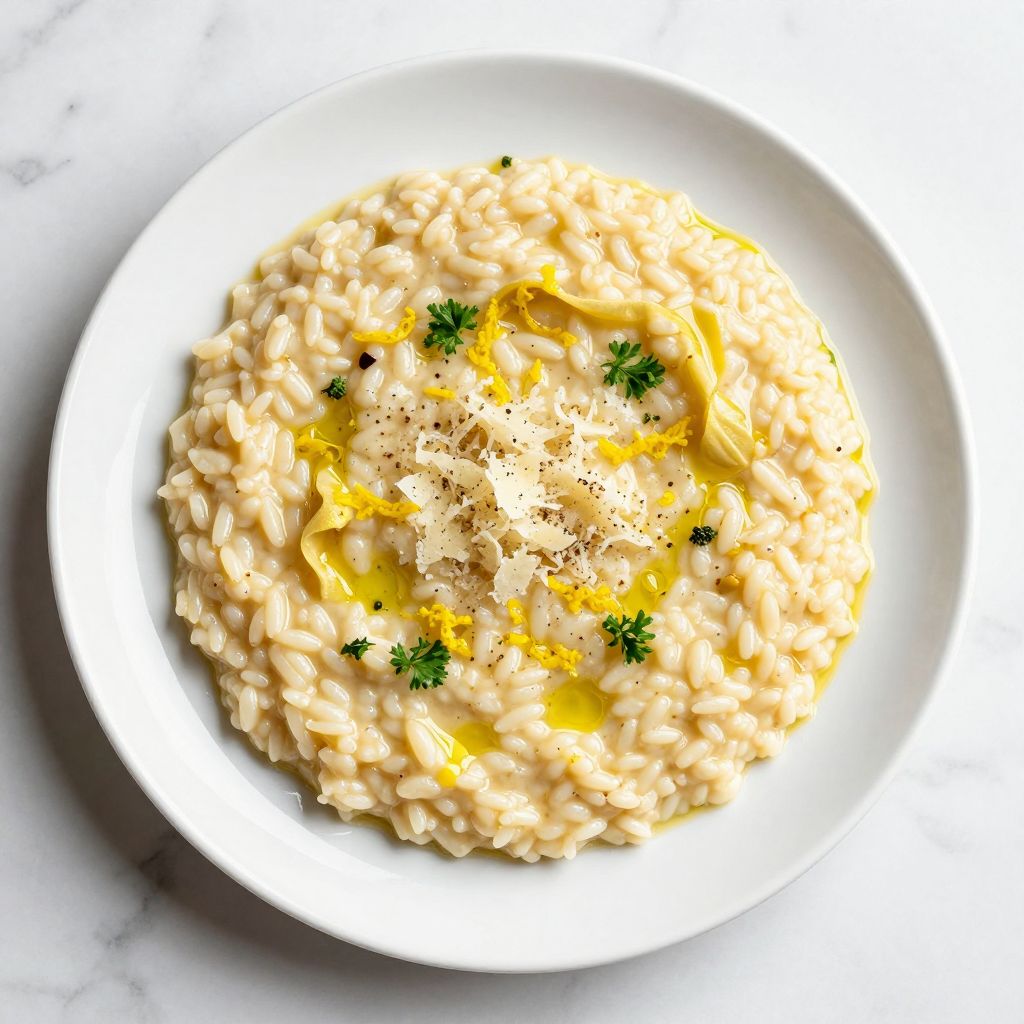
Lemon Risotto
Ingredients
Equipment
Method
- Pour the vegetable broth into a separate saucepan and bring to a gentle simmer over medium heat.
- Heat 2 tablespoons of butter and the olive oil in a large saucepan over medium heat, then add the diced onion and cook for 2 to 3 minutes until softened and translucent.
- Add the Arborio rice to the pan and stir constantly for about 1 minute to toast the grains.
- Pour in the white wine and stir until the rice absorbs it completely, about 1 to 2 minutes.
- Add warm broth one ladle (about 3/4 cup) at a time, stirring frequently and waiting until most liquid is absorbed before adding more.
- Continue adding broth and stirring for about 18 to 20 minutes, until the rice is creamy and al dente.
- Remove the pan from heat and stir in the lemon juice and the remaining 2 tablespoons of cold butter.
- Stir in the Parmesan cheese and lemon zest, then season with salt and pepper to taste.