
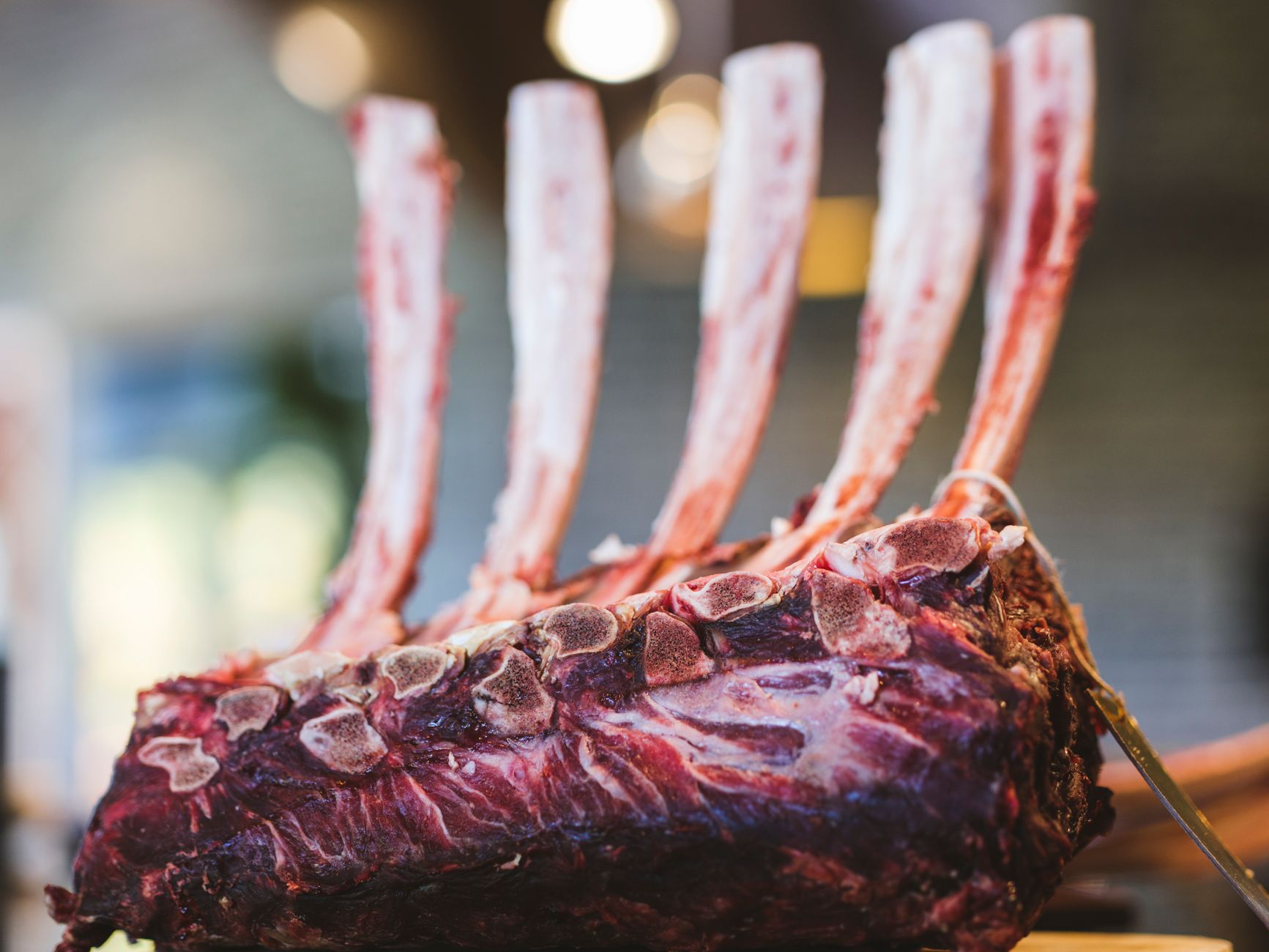
Au jus is a rich, flavorful sauce made from the natural juices of meat. Its name, derived from French, means “with juice,” and it is particularly beloved as an accompaniment for prime rib. This sauce elevates the dish, enhancing both the flavor and moisture of the tender beef with its savory notes. Making au jus is a straightforward process, and with the right ingredients, you can craft a delicious sauce that perfectly complements your prime rib.
In this guide, we will explore the process of making au jus, including a detailed recipe, tips for preparation, and guidance on serving. Whether you are preparing a special meal for guests or a holiday feast, this sauce will take your prime rib to the next level.
How Do You Make Au Jus for Prime Rib?
To make au jus for prime rib, you’ll need the drippings from the cooked meat, some beef broth, seasoning, and optional enhancements like red wine. The method involves deglazing the roasting pan with broth to capture those flavorful bits left behind. This results in a delicious sauce that complements the juicy prime rib beautifully.
Ingredients for Au Jus
- 2 cups beef broth or stock
- 1 cup drippings from the prime rib
- 1/2 cup red wine (optional)
- 1 tablespoon Worcestershire sauce
- 1 clove garlic, minced (optional)
- 1 teaspoon fresh thyme (or 1/2 teaspoon dried thyme)
- Salt and pepper to taste
Essential Equipment
- Roasting pan
- Stirring spoon
- Measuring cups and spoons
- Strainer or fine mesh sieve
- Small saucepan (if using red wine)
Step-by-Step Method to Make Au Jus
- Prepare for the Roast: Before cooking the prime rib, thoroughly season it with salt and pepper. You may also want to apply a rub to enhance its flavor. As the prime rib cooks, the drippings will accumulate in the roasting pan, which is essential for making au jus.
- Collect the Drippings: Once the prime rib is cooked to your desired doneness, remove it from the oven and place it on a serving platter to rest. Cover it loosely with aluminum foil to keep it warm. Pour the drippings from the roasting pan into a measuring cup, allowing the fat to rise to the top.
- Deglaze the Pan: To make the au jus, return the empty roasting pan to the stovetop over medium heat. If using, add red wine to the pan, scraping the bottom with a wooden spoon to release the flavorful bits stuck to the pan. If you prefer not to use wine, you can skip this step and go directly to adding the broth.
- Add Beef Broth: Pour in two cups of beef broth into the pan, along with the reserved drippings (subtract the fat for a leaner sauce). Stir to combine.
- Season the Sauce: Add Worcestershire sauce, minced garlic (if using), thyme, salt, and pepper to taste. Allow the mixture to simmer for about 5-10 minutes to let the flavors meld.
- Strain the Au Jus: For a smooth texture, strain the sauce through a fine mesh sieve into a small saucepan. This will remove any solid bits, resulting in a refined au jus. If you prefer a thicker sauce, you can simmer it for a few additional minutes to allow for evaporation and concentration of flavors.
- Taste and Adjust: Before serving, taste your au jus and adjust the seasoning if necessary. You can add more salt, pepper, or Worcestershire sauce depending on your preferences.
- Serve Warm: Pour the au jus into a gravy boat or serving dish, and serve warm alongside your prime rib.
Tips for Preparing Au Jus
- Use Quality Ingredients: The flavor of your au jus largely depends on the quality of the beef broth and the freshness of your herbs and spices.
- Don’t Skip the Deglazing: Deglazing the pan after roasting the prime rib captures the delicious caramelized bits that enhance the overall flavor of the sauce.
- Allow the Prime Rib to Rest: Always let the prime rib rest before slicing. This not only makes for a juicier meat but also gives you time to prepare the au jus.
- Don’t Rush the Cooking: Let the au jus simmer long enough to develop rich flavors. Patience is key to a good sauce!
- Adjust for Thickness: If you prefer a thicker sauce, consider adding a cornstarch slurry (1 tablespoon cornstarch mixed with 1 tablespoon cold water) to thicken the au jus as it simmers.
Common Mistakes to Avoid
- Not Utilizing Enough Drippings: The drippings are essential for flavor. Make sure to collect all the juices from the roasting pan.
- Over-seasoning: Taste the sauce as you prepare it, as the flavors will concentrate with simmering. It’s easier to add salt than to fix an overly salty sauce.
- Skipping the Resting Time: Rest the meat before carving; rushing this step can lead to dry meat and less flavorful juices.
Serving Suggestions
Au jus is ideally suited for serving with prime rib, but there are several other ways to enjoy it. Consider these ideas:
- As a dipping sauce for French dips or roast beef sandwiches.
- Drizzled over mashed potatoes or roasted vegetables for extra moisture and flavor.
- As a sauce for other cuts of beef, including filet mignon or ribeye, to enhance the dish.
- Use it in braising or slow-cooking recipes to impart a rich flavor to other meats.
Make-Ahead Guidance
You can prepare au jus in advance. Follow the recipe up to the straining step, then store the strained sauce in an airtight container in the refrigerator for up to 3 days. To reheat, gently warm on the stovetop, stirring occasionally to maintain the consistency.
If you want to freeze au jus, consider leaving out any fresh herbs or garlic, as their flavor may not hold well once thawed. Store au jus in a freezer-safe container, allowing for some expansion, and it should keep for about 3 months. Thaw overnight in the refrigerator before reheating.
Storage and Reheating
Au jus should be stored in the refrigerator if not used immediately. Use an airtight container for safer storage to prevent contamination and drying out.
When reheating, do not bring it to a full boil; instead, gently heat it over medium-low heat. Stir frequently to prevent scorching and maintain the sauce’s quality.
Flavor Variations
While traditional au jus is delicious as it is, you can make variations to suit your personal taste or the occasion. Here are some options:
- Herb-Infused: Add herbs like rosemary, sage, or bay leaf during the simmering process for a fresh, herbal flavor.
- Spicy Kick: Incorporate a dash of hot sauce or cayenne pepper for a spicy au jus that complements the rich beef flavor.
- Mushroom Au Jus: Sauté mushrooms before adding the broth for a deeper umami flavor. Use a mix of shiitake, cremini, or portobello mushrooms.
Conclusion
Making au jus for prime rib is a rewarding endeavor that significantly enhances the dining experience. With simple ingredients like drippings and broth, you can prepare a sauce that is both flavorful and complementary to the rich meat. Remember, preparation and storage can influence the quality of your final product, so take care with each step.
Next time you’re preparing a prime rib, consider making this delicious au jus to accompany your dish and elevate it further. If you’re interested in additional recipes, check out our prime rib rub recipe or delicious ham gravy recipe for more flavorful inspiration!