
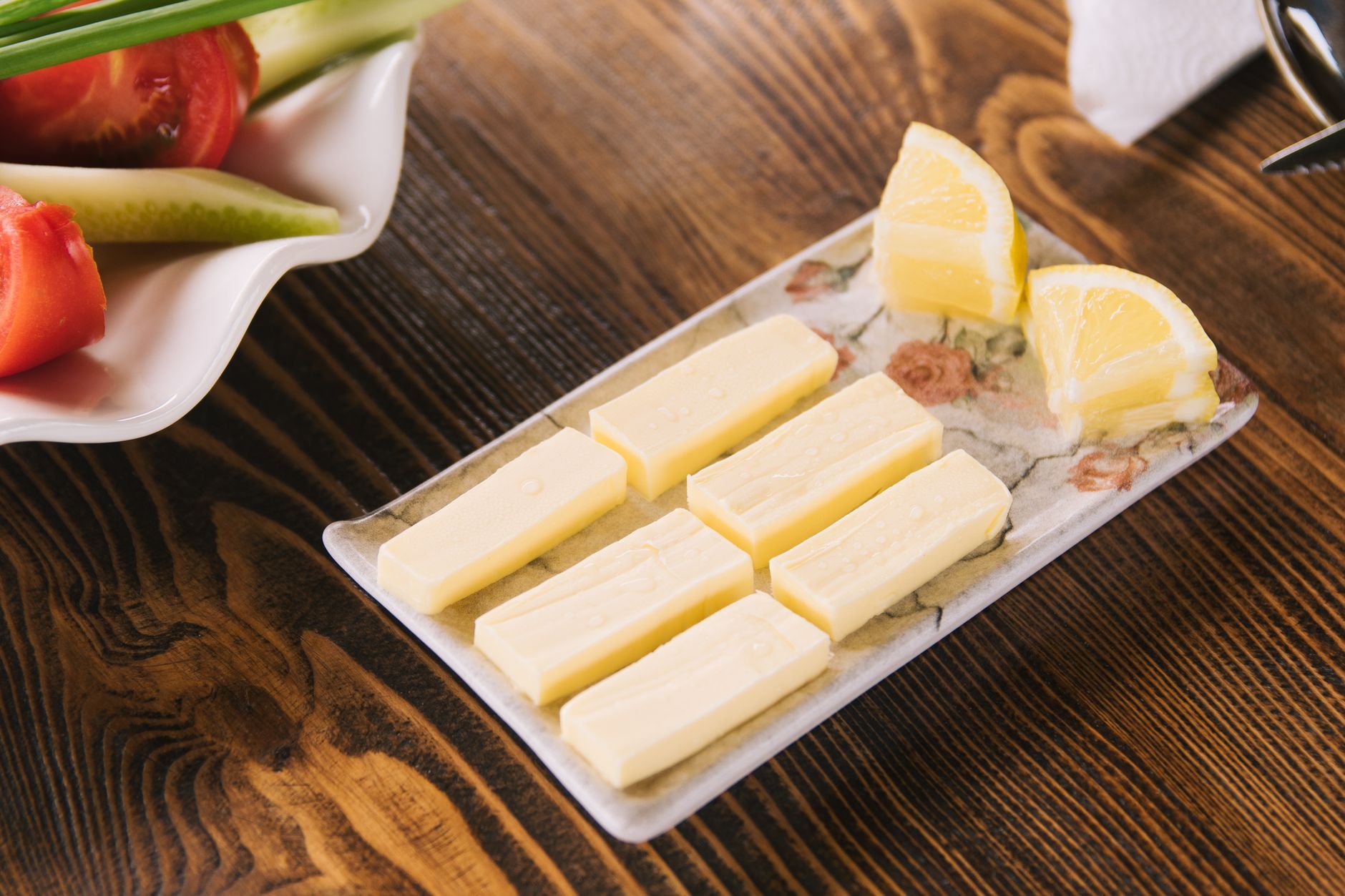
When cooking and baking, accurate measurements are key to achieving delicious results. One common question that comes up in the kitchen is how many cups are in 8 ounces of butter. Understanding these measurements will make following recipes much easier and more successful.
This article will delve into the conversion of butter from ounces to cups and explore its utility in various recipes, cooking techniques, and baking applications. We will also cover practical tips on measuring butter accurately.
8 Oz of Butter Is How Many Cups?
Eight ounces of butter is equivalent to one cup. This standardized measurement is essential for many recipes, especially in baking, where precision in ingredients can significantly affect the final product.
Understanding Butter Measurements
Butter is often sold in sticks, and in the United States, each stick typically weighs 4 ounces. Therefore, if a recipe calls for 8 ounces of butter, it usually means you will need two sticks of butter. Here’s a more detailed breakdown:
- 1 stick of butter = 4 ounces = ½ cup
- 2 sticks of butter = 8 ounces = 1 cup
- 3 sticks of butter = 12 ounces = 1.5 cups
- 4 sticks of butter = 16 ounces = 2 cups
The Importance of Accurate Butter Measurement
Butter is fundamental in cooking and baking for several reasons:
- Flavor: Butter adds richness and depth to dishes. The type of fat can alter the taste of your final product.
- Texture: It provides a desired texture in baked goods, such as flakiness in pastries and creaminess in sauces.
- Moisture: Proper butter measurements contribute to the moisture content, which affects the overall outcome.
How to Properly Measure Butter
Measuring butter can sometimes be tricky, especially when it comes to getting the right amount, especially if you are dealing with a block of butter rather than sticks. Here are some methods to measure butter accurately:
1. Using a Scale
The most accurate way to measure butter is to use a kitchen scale. Simply place your bowl on the scale, tare it (zero out the weight), and then cut the desired weight of butter. For 8 ounces, aim for exactly 227 grams of butter.
2. Stick Measurement
If you’re using sticks of butter, follow the markings on the wrapper. Each stick indicates ½ cup increments, making it easy to measure out 8 ounces (two sticks).
3. Liquid Measurement Cup
While less common for butter, you can also cut your butter and place it in a liquid measuring cup. It’s important to ensure it’s packed correctly in the cup, and this method is best when the butter is soft or melted.
Butter in Cooking and Baking
Butter is not only important for measuring but plays various roles in different types of cooking and baking. Let’s explore how butter is used in these culinary applications:
1. Baking
Baking is where the measurement of butter becomes critical. Here are common uses and effects:
- Cakes: Butter adds moisture and structure. Different butter types (salted, unsalted) can impact flavor.
- Cookies: The creaming method, which combines butter and sugar, produces light and fluffy textures.
- Pastries: In laminated doughs, such as croissants, the cold butter creates flaky layers.
2. Cooking
When sautéing or preparing sauces, butter provides flavor and texture. Here are essential uses:
- Sauteing: Butter can enhance the flavor of vegetables or proteins.
- Emulsifying: It helps to thicken and enrich sauces like Alfredo or hollandaise.
3. Butter Substitutions
Sometimes you may need to replace butter in recipes. Below are some common substitutes along with their characteristics:
- Margarine: A one-to-one substitute, though it may alter the flavor slightly.
- Coconut oil: A solid or melted form can be used; coconut flavor may come through in the final dish.
- Vegetable oil: Use ¾ cup of oil for 1 cup of butter; it works well in cake recipes but not in baking where solidity matters.
- Applesauce: For a healthier option, you can use unsweetened applesauce at a 1:1 ratio in baking, although it will change the texture.
Common Mistakes in Measuring Butter
Accurately measuring butter is crucial for the success of baked goods and cooking. Here are some common mistakes to avoid:
- Using Melted Butter: Unless specified, using melted butter instead of solid can alter the texture of baked goods.
- Ignoring Stick Measurements: Not utilizing the markings on the wrapper can lead to either too much or too little butter.
- Estimating Improperly: Always use a scale for large and critical measurements to ensure precision.
Storage of Butter
Storing butter properly extends its shelf life. Here are some best practices:
- Refrigeration: Keep butter in the fridge in its original wrapper for up to 3 months. You can wrap it in foil for better freshness.
- Freezing: Wrap butter tightly in plastic wrap and then foil before freezing to extend its life to 6-9 months.
- Room Temperature: You can store a small amount at room temperature (in a covered dish) for a week for easy spreading.
Conclusion
Understanding that 8 ounces of butter equals one cup is integral to cooking and baking precision. As you incorporate butter into your dishes, consider its various roles, from adding flavor and moisture to creating the perfect texture in baked goods. Accurate measurement, proper storage, and knowledge of substitutions can increase your success in the kitchen.
Looking to refine your baking skills? Explore different recipes and techniques, such as a cinnamon roll recipe with heavy cream or butter swim biscuits, to create delicious dishes with ease.