
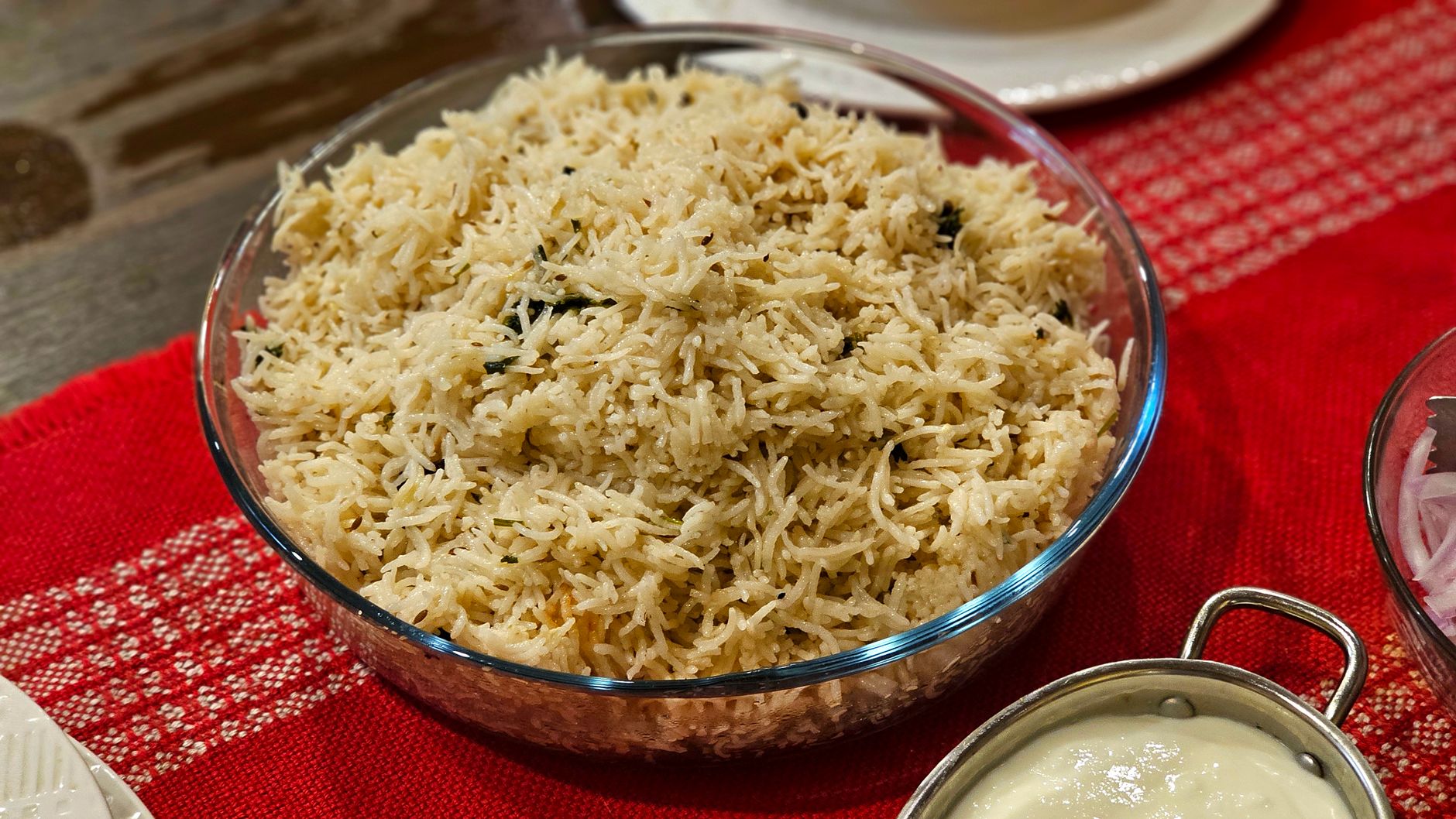
Cooking rice is a fundamental kitchen skill that can elevate your meals. Understanding how much water to use for 1 cup of rice is essential for achieving perfectly fluffy grains. This article will guide you through the key measurements, cooking techniques, and tips to master rice preparation, ensuring both beginners and experienced cooks can achieve delightful results every time.
Rice is a staple in many cuisines around the world. Using the correct water-to-rice ratio not only affects texture but also the flavor of the dish. With the right method, you can make rice a wholesome side or the star of the meal.
1 Cup Rice How Much Water?
For most types of white rice, you’ll need 1.5 to 2 cups of water for every 1 cup of rice. For brown rice, the standard ratio is typically 2 to 2.5 cups of water per cup of rice. These ratios can change slightly depending on the rice type, cooking method, and even the desired texture.
Types of Rice and Their Water Ratios
Not all rice is created equal. Different types of rice require distinct water ratios for optimal results. Here’s a breakdown of the most common varieties:
White Rice
- Long-grain white rice: 1 cup rice to 1.75 cups water
- Medium-grain white rice: 1 cup rice to 1.5 cups water
- Short-grain white rice: 1 cup rice to 1.25 cups water
Brown Rice
- Long-grain brown rice: 1 cup rice to 2.5 cups water
- Medium-grain brown rice: 1 cup rice to 2 cups water
- Short-grain brown rice: 1 cup rice to 2.5 cups water
Specialty Rice Varieties
- Basmati rice: 1 cup rice to 1.5 cups water
- Jasmine rice: 1 cup rice to 1.5 cups water
- Wild rice: 1 cup rice to 3 cups water
Essential Equipment for Cooking Rice
Cooking rice effectively requires only a few basic tools:
- Measuring cups: Accurate measurements are essential for perfect rice.
- Pot with a lid: A heavy-bottomed pot is best for even cooking.
- Fork: To fluff the rice once it’s cooked.
- Fine mesh strainer: Helpful for rinsing rice before cooking.
How to Measure Rice and Water Accurately
Proper measurements of both rice and water are vital. Here’s how you can ensure accuracy:
- Use a dry measuring cup for the rice. Scoop the rice and level it off for an accurate measurement.
- Use a fluid measuring cup for water. Measure the water according to the rice type and the desired ratios discussed earlier.
- If you’re unsure about the measurement, it’s better to slightly under-water than over-water, as excess water can lead to mushy rice.
The Cooking Process: Step-by-Step Guide
Once you’ve got your measurements right, the next step is to cook the rice properly. Follow these steps:
- Rinse the rice: Place the rice in a fine mesh strainer and rinse it under cold water until the water runs clear. This step removes excess starch, which can make rice gummy.
- Add rice and water to the pot: Pour the rinsed rice into the pot and add the appropriate amount of water.
- Add flavor (optional): You can enhance the flavor by adding a pinch of salt, a splash of oil or butter, or vegetable broth instead of water.
- Bring to a boil: Turn the heat to high and bring the water to a boil.
- Reduce heat and cover: Once boiling, lower the heat to a simmer, cover with the lid, and let it cook undisturbed.
- Cook time: Cooking times will vary depending on rice type. White rice typically takes 15-20 minutes, while brown rice may take 40-50 minutes. Check for doneness around these benchmarks.
- Let it rest: Once done cooking, remove the pot from heat and let it sit for about 10 minutes before uncovering. This helps the rice firm up and absorb any remaining moisture.
- Fluff and serve: Finally, use a fork to fluff the rice gently and serve it with your favorite dish!
Troubleshooting Common Rice-Cooking Issues
If you encounter issues while cooking rice, here are some common problems and how to fix them:
Rice is Too Mushy
If your rice ends up mushy, it’s likely too much water was used. Next time, try reducing the water by a few tablespoons. Additionally, avoid stirring the rice while it cooks, as this can release more starch.
Rice is Too Dry
If the rice turns out dry or undercooked, add a couple of tablespoons of water, cover the pot, and cook on low heat until the rice absorbs the liquid.
Rice is Overcooked
Overcooking can lead to rice that is too soft. To prevent this from happening in the future, use a timer and don’t rely solely on visual cues.
Storing Cooked Rice
Storing leftover rice properly is vital for food safety and quality:
- Allow the rice to cool to room temperature before storing it.
- Transfer it to an airtight container and refrigerate for up to 4 days.
- For longer storage, freeze the rice for up to 6 months. Make sure to use freezer-safe containers or bags.
Reheating Cooked Rice
Reheating rice so it remains tasty and fluffy is straightforward:
- Microwave: Add a little water to the rice and cover it. Heat in 30-second increments, stirring between heats until warm.
- Stovetop: Place the rice in a saucepan with a few tablespoons of water. Cover the pot and heat on low until warmed through, stirring occasionally.
Serving Suggestions for Rice
Rice can serve as a versatile base for many dishes. Here are some popular pairings:
- With stir-fries: Plain or seasoned rice pairs wonderfully with stir-fried meats and vegetables.
- As a side: Serve with grilled chicken, fish, or any protein dish to complement flavors.
- In salads: Cold rice can be mixed into salads for added texture and heartiness.
- In sushi: Specialized sushi rice is essential for making homemade sushi rolls.
Variations on Rice Cooking Techniques
Though the stovetop method is the most common, there are alternative methods to prepare rice:
Rice Cooker
A rice cooker is a valuable kitchen tool. Simply add the rice and water based on the type, press the button, and let the machine do the work. It saves time and often results in perfectly cooked rice.
Instant Pot
Using an Instant Pot speeds up cooking time significantly. The typical ratio stays the same, but the cooking time is much shorter—usually around 10 minutes for white rice and 22-25 minutes for brown rice.
Oven Baking
For large batches, baking in the oven can be effective. Combine rice and water in a deep baking dish, cover with foil, and bake at 375°F (190°C) for around 25-30 minutes for white rice.
Flavoring and Enhancing Rice
Rice is a blank canvas that can take on numerous flavors:
- Broth: Substitute water with chicken or vegetable broth for deeper flavor.
- Herbs: Add herbs like bay leaves, thyme, or parsley during cooking for extra aroma.
- Spices: Incorporate spices like saffron or turmeric for a vibrant color and taste.
- Alliums: Sauté onions or garlic in the pot before adding water and rice for a flavorful base.
Conclusion
Mastering the water-to-rice ratio is essential in achieving perfectly cooked rice consistently. Whether you’re using it as a side dish, base, or main component, understanding these techniques will enhance your rice-cooking skills. Remember to take proper measurements and experiment with flavors as you become more confident in your ability to prepare rice.
For more cooking tips, check out our guides on measuring water for rice and discover a delightful Puerto Rican rice recipe to expand your culinary repertoire!