
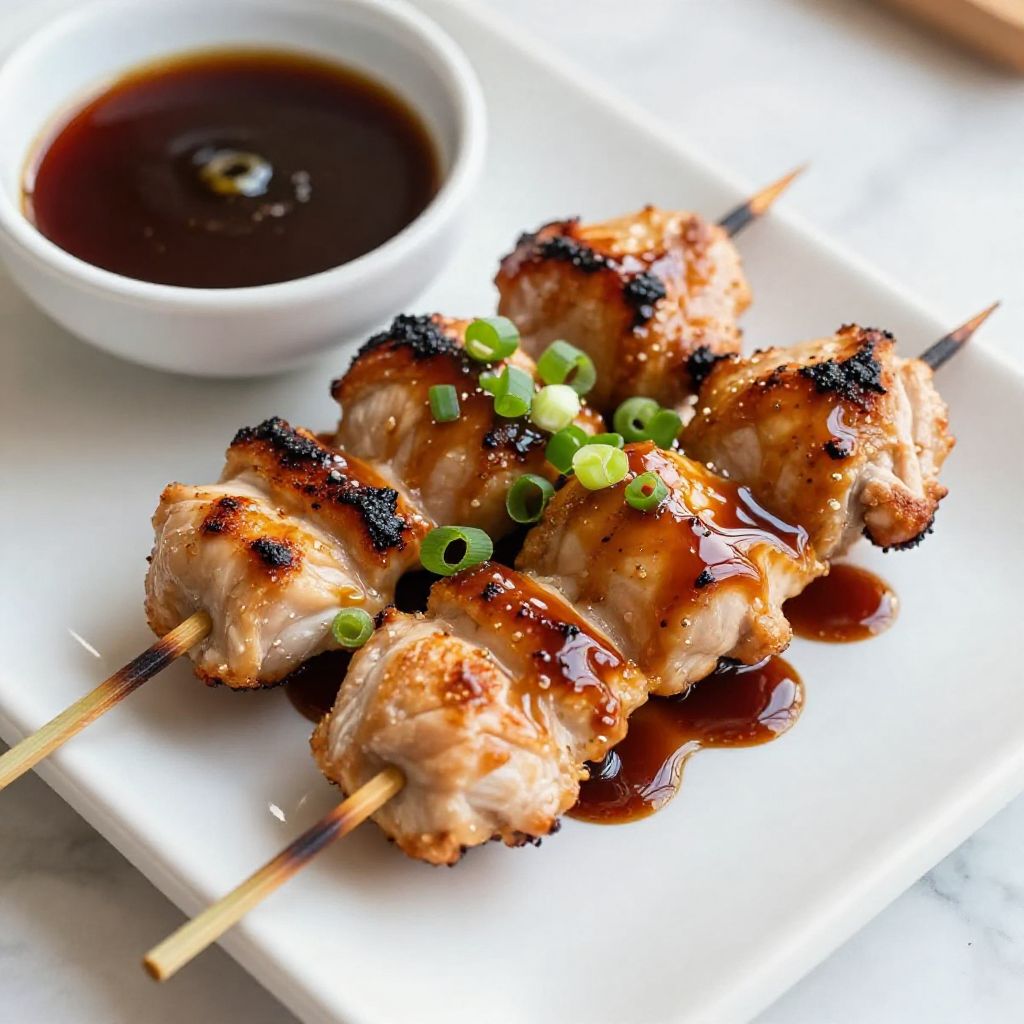
Picture this: the tantalizing aroma of grilled chicken wafting through the air, perfectly complemented by a rich and savory sauce. That’s the magic of Yakitori Sauce, a staple in Japanese cuisine that elevates your grilled dishes to new heights. This sauce is not just about flavor; it brings a delightful balance of sweet and salty that enhances the natural taste of the ingredients. Plus, it’s incredibly easy to make at home, giving you control over the ingredients and flavors. Let’s dive into how to whip up this delicious sauce!
Why You’ll Love This Recipe
This Yakitori Sauce will quickly become your go-to for grilling. It’s versatile, flavorful, and super simple to prepare.
- Rich, umami flavor that enhances dishes.
- Perfect for marinades or dipping sauces.
- Quick to make with just a few ingredients.
- Great for meal prep; it stores well.
- Can be customized to suit your taste.
My Experience Making This Recipe
The first time I made this sauce, I was amazed at how a few simple ingredients could create such depth of flavor. The moment it started simmering, my kitchen filled with a sweet, savory scent that made my mouth water.
When I served it with grilled chicken skewers, my family couldn’t stop raving about how delicious it was. It’s become a regular part of our grilling nights, and I love experimenting with it on different proteins and veggies!
Recipe Overview
- Recipe Name: Yakitori Sauce
- Servings: 8
- Prep Time: 5 minutes
- Cook Time: 10 minutes
- Total Time: 15 minutes
- Course: Sauce
- Cuisine: Japanese
- Calories per Serving: 50
Equipment You Will Need
- Small saucepan
- Measuring cups and spoons
- Whisk or spoon for stirring
- Container for storage
Ingredients for Yakitori Sauce
- 1/2 cup soy sauce
- 1/2 cup mirin (sweet rice wine)
- 1/4 cup sake (Japanese rice wine)
- 1/4 cup brown sugar
- 1 clove garlic, minced
- 1 tsp ginger, grated
Ingredient Notes and Substitutions
- Soy sauce: Provides the salty and umami base; you can use tamari for a gluten-free option.
- Mirin: Adds sweetness and depth; substitute with a mix of rice vinegar and sugar if unavailable.
- Sake: Contributes unique flavor; you can replace it with dry white wine or omit it entirely.
- Brown sugar: Enhances the sauce’s sweetness; white sugar can work in a pinch.
- Garlic and ginger: Provide aromatic flavors; powdered versions can be used, but fresh is best.
How to Make Yakitori Sauce
Step 1: Combine Ingredients
In a small saucepan, combine the soy sauce, mirin, sake, brown sugar, garlic, and ginger. This mixture is the foundation of your sauce, bringing all those delightful flavors together.
Step 2: Heat the Mixture
Place the saucepan over medium heat and stir until the sugar dissolves completely. This step ensures that the sauce is smooth and well-blended.
Step 3: Bring to a Simmer
Allow the mixture to come to a gentle simmer. Simmering helps to meld the flavors, creating a rich sauce that clings beautifully to grilled foods.
Step 4: Reduce the Sauce
Let the sauce simmer for about 10 minutes, stirring occasionally. This reduces the sauce slightly, intensifying the flavors and achieving the right consistency.
Step 5: Cool the Sauce
Remove the saucepan from heat and let the sauce cool. Cooling is essential before storing, as it thickens slightly upon standing.
Step 6: Store the Sauce
Transfer the cooled sauce to a clean container and seal tightly. Proper storage ensures it stays fresh and flavorful for your next grilling adventure.
Step 7: Use as Desired
Brush the sauce on grilled chicken, beef, or vegetables, or serve it as a dipping sauce. The versatility of this sauce makes it a fantastic addition to various dishes.
Step 8: Enjoy!
Now, it’s time to enjoy your homemade Yakitori Sauce! Pair it with your favorite grilled items and relish every delicious bite.
Pro Tip: Make a double batch and store it in the fridge to always have this delicious sauce on hand.
Tips for the Best Yakitori Sauce
- Use high-quality soy sauce for the best flavor.
- Adjust the sweetness by varying the amount of brown sugar.
- Let the sauce sit for a few hours to deepen the flavor before using.
- Experiment with adding sesame oil for a nutty twist.
- Always stir the sauce while simmering to prevent sticking.
Common Mistakes to Avoid
- Skipping the simmering step: This step is crucial for developing flavor, so don’t rush it.
- Using low-quality ingredients: This sauce relies on the quality of its components, so choose wisely.
- Not stirring enough: Stirring prevents burning and helps the sugar dissolve completely.
- Over-reducing the sauce: Keep an eye on it to avoid a thick, sticky mess.
Serving Suggestions
This sauce pairs beautifully with grilled foods, enhancing their flavors. Here are some serving ideas:
- Grilled chicken skewers
- Beef or pork ribs
- Grilled vegetables
- Rice or noodle dishes
Variations to Try
- Add a splash of chili sauce for a spicy kick.
- Incorporate citrus zest for a fresh twist.
- Mix in sesame seeds for added texture.
- Use honey instead of brown sugar for a different sweetness.
Dietary Adaptations
- Gluten-free: Use tamari instead of soy sauce.
- Dairy-free: This recipe is naturally dairy-free.
- Vegan: Ensure all ingredients are plant-based.
- Low-carb/keto: Substitute sugar with a low-carb sweetener.
Storage and Reheating
Refrigerator
Store the sauce in an airtight container in the refrigerator for up to two weeks.
- Make sure it’s completely cooled before sealing.
- Label with the date to monitor freshness.
Freezer
You can freeze the sauce for longer storage, up to three months.
- Use freezer-safe containers or bags.
- Leave space for expansion when freezing.
Reheating
To reheat, simply warm it in a saucepan over low heat.
- Stir occasionally to prevent burning.
- Add a splash of water if it thickens too much.
Nutrition Information
| Nutrient | Amount |
|---|---|
| Calories | 50 |
| Total Fat | 0g |
| Saturated Fat | 0g |
| Carbohydrates | 12g |
| Fiber | 0g |
| Sugar | 10g |
| Protein | 1g |
| Sodium | 600mg |
| Cholesterol | 0mg |
This nutritional information is an estimate and can vary based on ingredient brands and measurements.
Frequently Asked Questions
Can I substitute mirin with something else?
Yes, you can use a mix of rice vinegar and sugar as a substitute for mirin.
How long can I store Yakitori sauce?
You can store it in the refrigerator for up to two weeks or freeze it for three months.
Can I make this sauce ahead of time?
Absolutely! Making it ahead allows the flavors to meld beautifully.
What if my sauce is too thick?
Add a bit of water while reheating to achieve your desired consistency.
Can I use this sauce for other dishes?
Yes! It’s great on grilled meats, vegetables, or even as a marinade.
Final Thoughts
Now that you’ve made your own Yakitori Sauce, don’t be surprised if it becomes a staple in your kitchen. The depth of flavor it brings to your dishes is simply irresistible.
Try it out, and I’d love to hear how you use it! For more delicious sauces, check out my recipes for Hibachi Sauce and Eel Sauce.
Yakitori Sauce
Ingredients
Equipment
Method
- In a small saucepan, combine 1/2 cup soy sauce, 1/2 cup mirin, 1/4 cup sake, 1/4 cup brown sugar, 1 clove minced garlic, and 1 tsp grated ginger.
- Place the saucepan over medium heat and stir continuously until the sugar is fully dissolved, about 2–3 minutes.
- Increase heat to bring the mixture to a gentle simmer, then reduce heat to low and simmer for 10 minutes, stirring occasionally, until the sauce thickens slightly.
- Remove the saucepan from heat and allow the sauce to cool to room temperature, about 15 minutes.
- Transfer the cooled sauce to a clean, airtight container and seal tightly.
- Store in the refrigerator for up to two weeks, or freeze for up to three months.
- Use the sauce to brush on grilled chicken, beef, vegetables, or serve as a dipping sauce.