
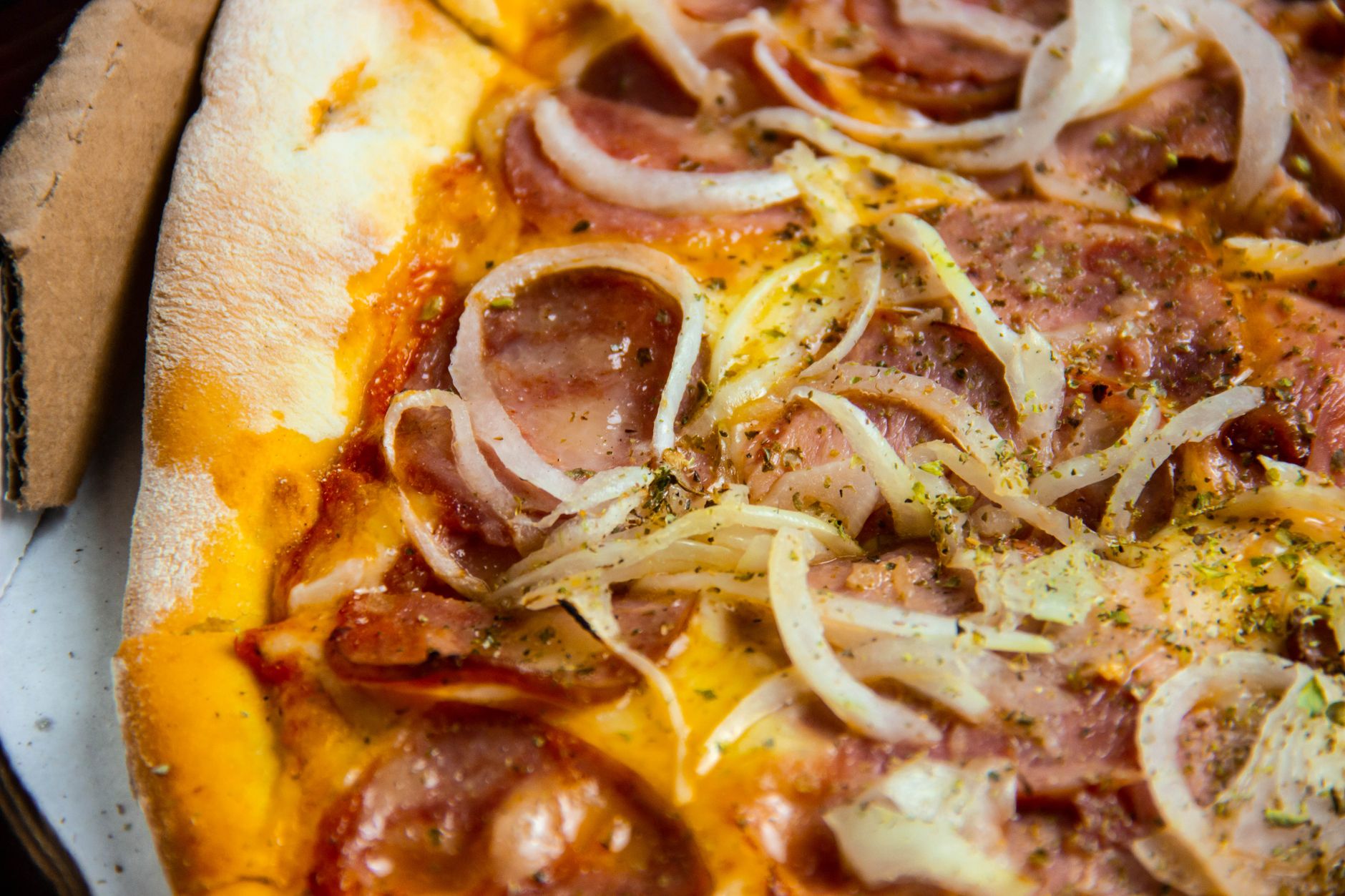
Pizza is a beloved food for many, offering a delightful combination of flavors and textures in every bite. However, behind its tempting exterior lies a significant amount of nutritional concerns that many overlook. Understanding why pizza is unhealthy can help diners make informed choices about their meals and prioritize healthier alternatives.
This article will explore the nutritional aspects of pizza, common unhealthy ingredients, and practical suggestions for healthier eating. Educating yourself on these factors can empower you to enjoy pizza in moderation while making better food decisions overall.
Why Is Pizza Unhealthy?
Pizza can be unhealthy primarily due to its high-calorie content, excessive sodium, and presence of refined carbohydrates and unhealthy fats. While not all pizzas are created equal, many of the most popular varieties contain ingredients that contribute to various health issues when consumed excessively.
Nutritional Breakdown of a Typical Pizza
To understand the unhealthy nature of pizza, it’s essential to look at the typical ingredients and their nutritional breakdown. A standard slice of cheese pizza (about 1/8 of a 14-inch pizza) generally includes:
- Calories: Approximately 285
- Carbohydrates: 36 grams
- Fat: 10 grams
- Protein: 12 grams
- Sodium: About 640 milligrams
High-Calorie Content
A single slice of pizza can contain a considerable amount of calories, and it’s common for most people to consume multiple slices in one sitting. This high-calorie intake can quickly lead to excessive daily calorie consumption, contributing to weight gain and obesity over time.
Sodium Levels
Many pizzas are loaded with sodium, primarily from the cheese, sauce, and processed meats like pepperoni or sausage. Consuming high levels of sodium can lead to increased blood pressure and other cardiovascular issues, making moderation essential.
Refined Carbohydrates
The crust of most pizzas is made from refined white flour, stripping away much of the nutritional value found in whole grains. Refined carbohydrates can lead to spikes in blood sugar levels and promote unhealthy eating patterns, as they often lead to feeling hungry more quickly.
Unhealthy Fats
Pizza can contain unhealthy fats, particularly when topped with high-fat cheeses and processed meats. Saturated fats can raise cholesterol levels and increase the risk of heart disease, while trans fats—commonly found in pre-made crusts and certain toppings—are deemed particularly harmful to cardiovascular health.
Common Unhealthy Pizza Toppings
While pizza can be made healthier with the right ingredients, here are some common toppings that contribute to an unhealthy profile:
- Pepperoni: This popular topping is high in sodium and saturated fats.
- Sausage: Often contains not only unhealthy fats but also high levels of sodium and preservatives.
- Extra Cheese: Piling on the cheese increases calorie count and saturated fat content significantly.
- Processed Vegetables: Some vegetable toppings may be processed with additives or high in sodium.
Portion Sizes and Eating Habits
Another significant factor that makes pizza unhealthy is portion control. A single slice may seem harmless, but when served in large sizes or consumed in high quantities, it can lead to overeating and poor diet choices.
Moreover, pizza is often accompanied by unhealthy sides like garlic bread or cheesy dips, further contributing to excessive caloric intake. Educating yourself about appropriate portion sizes can mitigate these effects.
Health Risks Associated with Frequent Pizza Consumption
Regularly indulging in unhealthy pizza options can lead to several health risks, including:
- Weight Gain: The high-calorie content and poor nutrient balance can contribute to obesity.
- Cardiovascular Disease: High sodium and fat levels increase the risk of heart-related conditions.
- Type 2 Diabetes: Diets high in refined carbohydrates and sugars can lead to insulin resistance over time.
- Digestive Issues: Consuming excessive refined carbs can affect gut health and lead to bloating or discomfort.
Making Healthier Pizza Choices
Despite its unhealthy attributes, pizza can still be enjoyed in moderation and modified to create healthier options. Here are some practical tips to make pizza a healthier choice:
Choose Whole-Grain Crust
Opting for a whole-grain crust instead of a traditional crust can provide more fiber and nutrients, promoting better digestion and overall health. Many pizzerias offer this option, or you can make your own at home using whole-wheat flour.
Load Up on Vegetables
Adding plenty of vegetables not only enhances the flavor of your pizza but also increases its nutritional value. Vegetables such as bell peppers, spinach, onions, and mushrooms add vitamins, minerals, and antioxidants to your meal while keeping calorie counts lower.
Opt for Lean Proteins
If you want to include protein, consider lean options such as grilled chicken, turkey, or even plant-based proteins for added nutrients without the extra fats.
Control Cheese Portions
Instead of opting for double cheese, ask for less cheese or choose lighter cheese options like part-skim mozzarella. This simple adjustment can significantly lower the caloric and fat content of your pizza.
Limit High-Sodium Meats
Instead of high-sodium processed meats, consider other protein options or just use them minimally. Trying fresh herbs or spices can enhance flavor without adding excessive salt.
Be Mindful of Portion Sizes
Be aware of how many slices you consume. Start with one or two slices and accompany your meal with a side salad or fresh fruit. This helps to fill you up with lower-calorie, nutrient-rich options.
Pizza Recipes for Healthier Eating
If you want to experiment with making pizza at home, here are two healthier alternatives you can try:
Crustless Pizza Recipe
This version eliminates the crust, focusing on the toppings for a low-carb option.
- Ingredients:
- 1 pound ground turkey or chicken
- 1 cup chopped bell peppers
- 1 cup sliced mushrooms
- 1 cup low-sodium pizza sauce
- 1 cup shredded low-fat mozzarella cheese
- Preparation:
- Preheat your oven to 375°F (190°C).
- Cook the ground turkey or chicken in a skillet until browned.
- Add the bell peppers and mushrooms, cooking until softened.
- Spread the mixture into a baking dish, adding the pizza sauce and cheese on top.
- Bake for about 20 minutes, until the cheese is melted and bubbly.
Homemade Whole-Grain Veggie Pizza
This recipe utilizes whole-grain flour and a variety of vegetables for a nutritious pizza.
- Ingredients:
- 2 cups whole wheat flour
- 1 cup warm water
- 1 packet active dry yeast
- 1 tsp salt
- 1 tsp olive oil
- 1 cup low-sodium pizza sauce
- 1 cup shredded part-skim mozzarella cheese
- 1 cup assorted vegetables (zucchini, spinach, onions, peppers)
- Preparation:
- Dissolve yeast in warm water and let it sit for about 5 minutes.
- In a bowl, mix the flour and salt, then add the olive oil and yeast mixture.
- Knead until smooth, then let rise for about an hour.
- Preheat your oven to 425°F (220°C).
- Roll out the dough and spread onto a pizza stone or baking sheet.
- Spread pizza sauce, add vegetables and cheese on top.
- Bake for 15-20 minutes, or until the crust is golden brown.
Alternatives to Traditional Pizza
If you’re seeking to avoid traditional pizza altogether, there are plenty of creative alternatives. Consider these options:
- Cauliflower Crust Pizza: Made using cauliflower, this option is lower in carbohydrates and can be fortified with cheese and herbs for flavor.
- Pizza on Whole Wheat Tortilla: Using a tortilla as a base offers a lighter alternative that can be easily topped with your choice of healthy ingredients.
- Grilled Vegetable Pizza: Using grilled veggies as the base instead of dough provides a unique flavor and presentation.
Conclusion
Pizza can be part of a balanced diet if approached with mindfulness and an understanding of its nutritional content. By making informed ingredient choices, controlling portion sizes, and incorporating healthier toppings, you can enjoy pizza without compromising your health. Making small adjustments can lead to better overall dietary habits.
For those looking to explore more nutritious recipes, consider trying our Pizza Rustica Recipe or our Crustless Pizza Recipe as alternatives that prioritize both flavor and health.